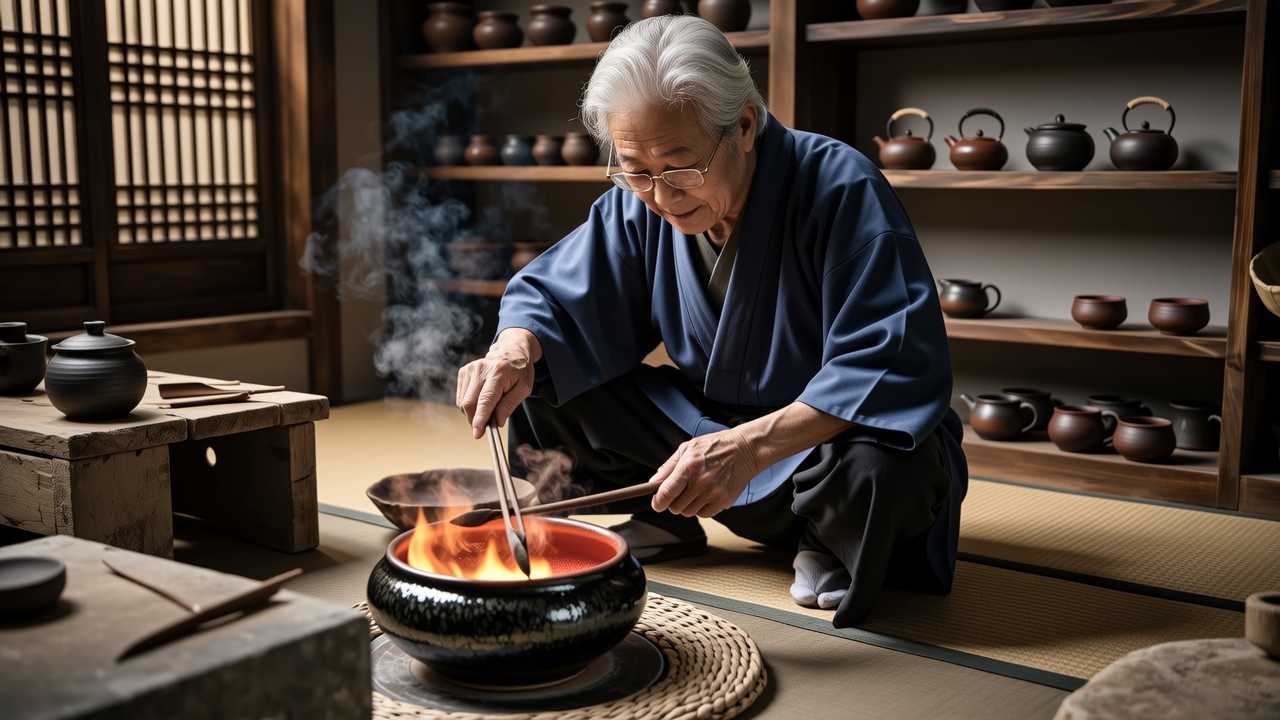
Kyoto, 24 June — In a small workshop in the historic Higashiyama district of Kyoto, a young pottery artisan is carefully shaping clay with his hands, following methods that have been passed down for centuries. Next to him, a tourist from Denmark is watching intently, occasionally taking a turn to try the pottery wheel technique themselves. This scene is becoming increasingly common in historic Japanese cities, reflecting the growing global interest in traditional Japanese pottery art.
Japanese pottery, which encompasses dozens of regional traditions — from the minimalist Raku in Kyoto, to the rough and organic Bizen in Okayama, to the luxurious and colorful Kutani in Ishikawa — is now undergoing the most exciting renaissance in decades. Art exhibitions in New York, London, Paris, and Seoul are showcasing Japanese pottery works to an ever-growing and enthusiastic audience.
This revival is driven by several closely related factors. First, the movement towards awareness of 'craftsmanship' and the value of handcrafted items made by skilled artisans is gaining strength among middle and upper-class consumers globally. For example, a handcrafted Raku tea cup made by a renowned artisan can now be sold for the equivalent of several thousand ringgit, far higher than just a few years ago.
Second, social media has played an invaluable role in promoting the aesthetics of Japanese pottery art to a global audience. Videos of the pottery-making process receive high view counts on platforms like YouTube and TikTok, and beautiful pottery artwork photos go viral on Instagram and Pinterest.
Traditional pottery artisan communities, which once slowly declined, are now experiencing the benefits of this surge in interest. More and more young Japanese people, who previously preferred corporate careers, are choosing to study traditional pottery art as a career, ensuring the continuity of this invaluable cultural heritage.
Local authorities in areas with strong pottery traditions such as Arita and Imari in Saga, Tokoname in Aichi, and Shigaraki in Shiga have developed comprehensive cultural tourism programs, attracting hundreds of thousands of tourists each year to witness the pottery-making process firsthand and take home a piece of Japan's cultural heritage.
Revival of Traditional Japanese Pottery Art: Cultural Week Attracts Enthusiasts from Around the World. Traditional Japanese pottery arts such as Raku, Bizen, and Kutani are experiencing a global resurgence, driving cultural tourism growth and reviving traditional artisan communities.. Kyoto, 24 June — In a small workshop in the historic Higashiyama district of Kyoto, a young pottery artisan is carefully shaping clay with his hands, following methods that have been passed down for centuries. Next to him, a tourist from Denmark is watching intently, occasionally taking a turn to try the pottery wheel technique themselves. This scene is becoming increasingly common in historic Japanese cities, reflecting the growing global interest in traditional Japanese pottery art.
Japanese pottery, which encompasses dozens of regional traditions — from the minimalist Raku in Kyoto, to the rough and organic Bizen in Okayama, to the luxurious and colorful Kutani in Ishikawa — is now undergoing the most exciting renaissance in decades. Art exhibitions in New York, London, Paris, and Seoul are showcasing Japanese pottery works to an ever-growing and enthusiastic audience.
This revival is driven by several closely related factors. First, the movement towards awareness of 'craftsmanship' and the value of handcrafted items made by skilled artisans is gaining strength among middle and upper-class consumers globally. For example, a handcrafted Raku tea cup made by a renowned artisan can now be sold for the equivalent of several thousand ringgit, far higher than just a few years ago.
Second, social media has played an invaluable role in promoting the aesthetics of Japanese pottery art to a global audience. Videos of the pottery-making process receive high view counts on platforms like YouTube and TikTok, and beautiful pottery artwork photos go viral on Instagram and Pinterest.
Traditional pottery artisan communities, which once slowly declined, are now experiencing the benefits of this surge in interest. More and more young Japanese people, who previously preferred corporate careers, are choosing to study traditional pottery art as a career, ensuring the continuity of this invaluable cultural heritage.
Local authorities in areas with strong pottery traditions such as Arita and Imari in Saga, Tokoname in Aichi, and Shigaraki in Shiga have developed comprehensive cultural tourism programs, attracting hundreds of thousands of tourists each year to witness the pottery-making process firsthand and take home a piece of Japan's cultural heritage.