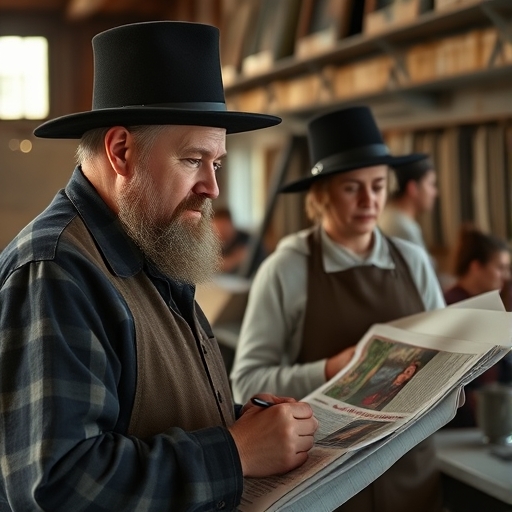
1. Amish di Pennsylvania – Kehidupan Tanpa Elektrik
Sebuah pagi di sebuah ladang Amish, suara ayam berkokok bersatu dengan deruan kenderaan kuda yang melintasi jalan berdebu. Tidak ada telefon pintar, tidak ada televisyen; hanya peralatan pertanian tradisional yang dijaga rapi. Menurut
Young Center for Anabaptist and Pietist Studies, pada 2020 terdapat lebih kurang
350,000 orang Amish tersebar di seluruh Amerika Syarikat, dengan majoriti menumpuk di Pennsylvania, Ohio, dan Indiana. Komuniti ini secara sukarela menolak penggunaan teknologi moden, mengikut kepercayaan yang menekankan kesederhanaan, kemandirian, dan kebersamaan keluarga.
2. Hutterite di Kanada‑Amerika – Komuniti Kollektiv yang Berasaskan Pertanian
Di padang rumput Saskatchewan dan Montana, rumah-rumah batu bertingkat menampung ratusan orang yang berkongsi hasil pertanian secara kolektif. Hutterite, yang berakar dari gerakan Anabaptis abad ke‑16, mengamalkan sistem ekonomi koperasi di mana setiap anggota menyumbang tenaga kerja dan menerima bahagian hasil mengikut keperluan. Walaupun mereka terletak di kawasan yang terhubung dengan dunia luar, mereka mengekalkan bahasa Jerman lama dalam ibadah dan menghindari media massa, menjadikan gaya hidup mereka hampir terasing daripada arus globalisasi.
3. Suku Navajo – Menjaga Warisan Budaya di Tanah Suci
Di dataran tinggi Arizona, suku Navajo mengukir tarian tradisional di atas batu dan menenun permaidani berwarna-warni yang menceritakan sejarah nenek moyang mereka. Menurut data Biro Sensus AS, terdapat lebih kurang
300,000 anggota Navajo yang tinggal di 27,000 kilometer persegi tanah rizab. Meskipun terdapat tekanan pembangunan infrastruktur, banyak komuniti Navajo menolak projek minyak dan gas yang mengancam tanah suci mereka, sekaligus melindungi cara hidup yang berasaskan pertanian kecil, kraf tangan, dan kepercayaan spiritual.
4. Old Order Mennonite – Kesederhanaan dalam Dunia Digital
Berbeza dengan Amish yang menolak semua bentuk motorisasi, Old Order Mennonite mengizinkan penggunaan kereta berkuasa kuda tetapi menolak internet di rumah. Komuniti ini tersebar di beberapa negara bagian termasuk Indiana, Pennsylvania, dan Kansas. Kehidupan mereka berpusat pada gereja, sekolah agama, dan pertanian organik. Kajian oleh
Mennonite Central Committee menunjukkan bahawa lebih daripada
70% keluarga dalam komuniti ini memilih pendidikan rumah (homeschooling) untuk mengawal kurikulum yang selaras dengan nilai tradisional.
5. Komuniti Hmong di Minnesota – Menghidupkan Tradisi Asal di Tanah Baru
Setelah melarikan diri dari konflik di Laos, ribuan orang Hmong menetap di bandar-bandar kecil Minnesota pada 1970-an. Walaupun berintegrasi dalam ekonomi Amerika, mereka tetap mengekalkan pakaian tradisional, muzik
qeej, dan upacara pemakaman yang rumit. Kajian oleh
University of Minnesota mencatat bahawa
sekitar 40% keluarga Hmong masih mengamalkan pertanian kecil di pekarangan rumah, menanam sayur-sayuran tradisional seperti
cabbage dan
cucumbers, sebagai cara mengekalkan identiti budaya mereka.
Penutup
Kelima‑lima komuniti ini menunjukkan bahawa di tengah arus globalisasi, terdapat ruang untuk mengekalkan cara hidup tradisional. Sama ada melalui penolakan teknologi, pemeliharaan bahasa lama, atau penolakan projek industri, mereka menegaskan hak untuk menentukan nasib budaya mereka sendiri. Dalam dunia yang semakin terhubung, keberadaan mereka menjadi contoh nyata bahawa pilihan hidup yang berakar pada tradisi masih relevan dan berdaya tahan.
---
Rujukan: Amerika Syarikat — Wikipedia
Mengenal 5 Komuniti di Amerika yang Memelihara Tradisi dan Menolak Globalisasi. Dari ladang Amish di Pennsylvania hingga perkampungan suku Indian di Arizona, lima kumpulan ini mengekalkan cara hidup tradisional sambil menolak pengaruh globalisasi.. 1. Amish di Pennsylvania – Kehidupan Tanpa Elektrik
Sebuah pagi di sebuah ladang Amish, suara ayam berkokok bersatu dengan deruan kenderaan kuda yang melintasi jalan berdebu. Tidak ada telefon pintar, tidak ada televisyen; hanya peralatan pertanian tradisional yang dijaga rapi. Menurut Young Center for Anabaptist and Pietist Studies , pada 2020 terdapat lebih kurang 350,000 orang Amish tersebar di seluruh Amerika Syarikat, dengan majoriti menumpuk di Pennsylvania, Ohio, dan Indiana. Komuniti ini secara sukarela menolak penggunaan teknologi moden, mengikut kepercayaan yang menekankan kesederhanaan, kemandirian, dan kebersamaan keluarga.
2. Hutterite di Kanada‑Amerika – Komuniti Kollektiv yang Berasaskan Pertanian
Di padang rumput Saskatchewan dan Montana, rumah-rumah batu bertingkat menampung ratusan orang yang berkongsi hasil pertanian secara kolektif. Hutterite, yang berakar dari gerakan Anabaptis abad ke‑16, mengamalkan sistem ekonomi koperasi di mana setiap anggota menyumbang tenaga kerja dan menerima bahagian hasil mengikut keperluan. Walaupun mereka terletak di kawasan yang terhubung dengan dunia luar, mereka mengekalkan bahasa Jerman lama dalam ibadah dan menghindari media massa, menjadikan gaya hidup mereka hampir terasing daripada arus globalisasi.
3. Suku Navajo – Menjaga Warisan Budaya di Tanah Suci
Di dataran tinggi Arizona, suku Navajo mengukir tarian tradisional di atas batu dan menenun permaidani berwarna-warni yang menceritakan sejarah nenek moyang mereka. Menurut data Biro Sensus AS, terdapat lebih kurang 300,000 anggota Navajo yang tinggal di 27,000 kilometer persegi tanah rizab. Meskipun terdapat tekanan pembangunan infrastruktur, banyak komuniti Navajo menolak projek minyak dan gas yang mengancam tanah suci mereka, sekaligus melindungi cara hidup yang berasaskan pertanian kecil, kraf tangan, dan kepercayaan spiritual.
4. Old Order Mennonite – Kesederhanaan dalam Dunia Digital
Berbeza dengan Amish yang menolak semua bentuk motorisasi, Old Order Mennonite mengizinkan penggunaan kereta berkuasa kuda tetapi menolak internet di rumah. Komuniti ini tersebar di beberapa negara bagian termasuk Indiana, Pennsylvania, dan Kansas. Kehidupan mereka berpusat pada gereja, sekolah agama, dan pertanian organik. Kajian oleh Mennonite Central Committee menunjukkan bahawa lebih daripada 70% keluarga dalam komuniti ini memilih pendidikan rumah homeschooling untuk mengawal kurikulum yang selaras dengan nilai tradisional.
5. Komuniti Hmong di Minnesota – Menghidupkan Tradisi Asal di Tanah Baru
Setelah melarikan diri dari konflik di Laos, ribuan orang Hmong menetap di bandar-bandar kecil Minnesota pada 1970-an. Walaupun berintegrasi dalam ekonomi Amerika, mereka tetap mengekalkan pakaian tradisional, muzik qeej , dan upacara pemakaman yang rumit. Kajian oleh University of Minnesota mencatat bahawa sekitar 40% keluarga Hmong masih mengamalkan pertanian kecil di pekarangan rumah, menanam sayur-sayuran tradisional seperti cabbage dan cucumbers , sebagai cara mengekalkan identiti budaya mereka.
Penutup
Kelima‑lima komuniti ini menunjukkan bahawa di tengah arus globalisasi, terdapat ruang untuk mengekalkan cara hidup tradisional. Sama ada melalui penolakan teknologi, pemeliharaan bahasa lama, atau penolakan projek industri, mereka menegaskan hak untuk menentukan nasib budaya mereka sendiri. Dalam dunia yang semakin terhubung, keberadaan mereka menjadi contoh nyata bahawa pilihan hidup yang berakar pada tradisi masih relevan dan berdaya tahan.
---
Rujukan: Amerika Syarikat — Wikipedia https://ms.wikipedia.org/wiki/Amerika Syarikat