Akar Pertama di Tanah Retak: Kelahiran Gerakan Zai di Sahel
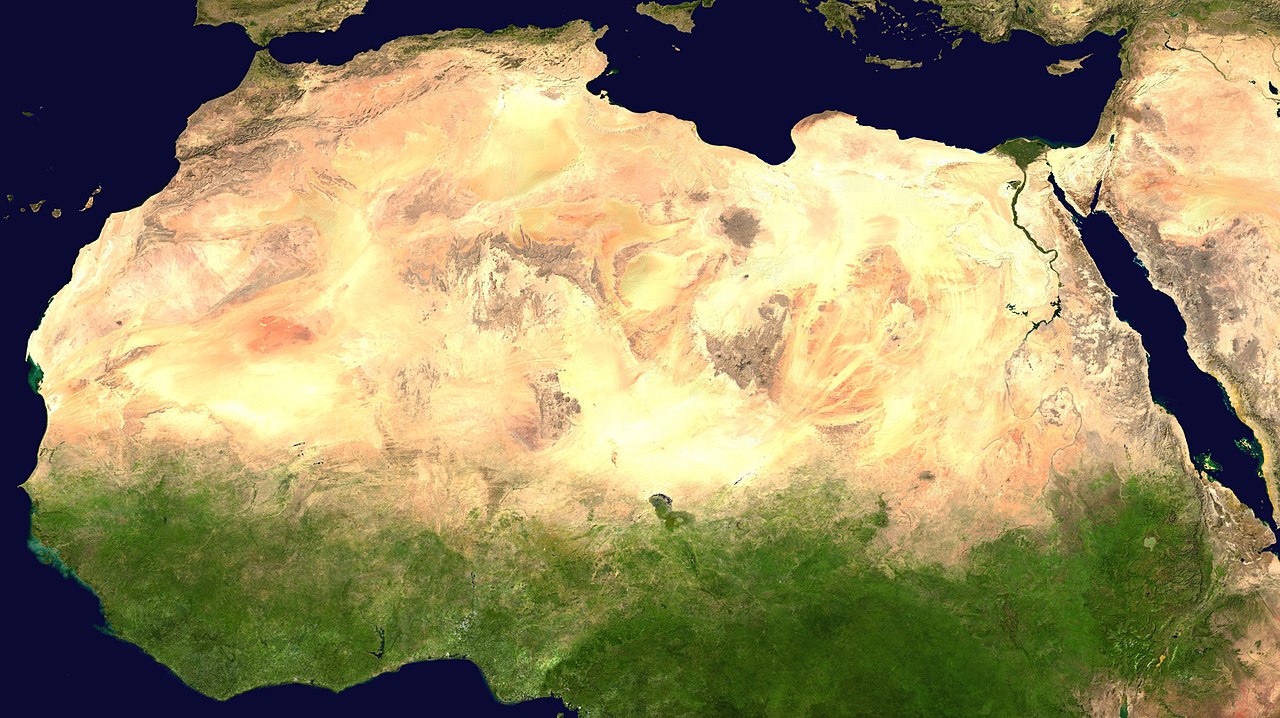
Pada awal 1980-an, wilayah Sahel — sabuk kering yang membentang dari Senegal ke Chad — berada dalam krisis ekologi terburuk sejak rekod sejarah tulis. Hujan turun kurang dari 200 mm setahun; tanah terkakis sehingga lapisan liat dan pasir berdebu menjadi satu-satunya permukaan yang kelihatan. Di desa Gourga, Burkina Faso, seorang petani bernama Yacouba Sawadogo menyaksikan tetangganya berpindah ke bandar, meninggalkan ladang yang tak lagi menyerap air — hanya menolaknya. Tetapi Yacouba tidak pergi. Ia menggali lubang kecil berbentuk segi empat —
zai — sedalam 20 cm, mengisi dengan kompos dan benih akasia nilotika. Ia bukan saintis, bukan insinyur hidrologi. Ia hanya tahu:
tanah yang retak masih punya ingatan tentang air. Teknik zai, yang sebenarnya berasal dari tradisi pertanian pra-kolonial Mossi, dihidupkan semula bukan sebagai nostalgia, tetapi sebagai senjata melawan penggurunan. Dalam lima tahun, 300 hektar di sekitar Gourga mulai menunjukkan hijau pertama sejak 1973.
Ketika Ilmuwan Dunia Masih Meragui: Ujian Lapangan di Wadi Rum & Negev
Sementara Yacouba berjuang di Sahel, di seberang dunia, para penyelidik Institut Weizmann di Israel sedang menguji model simulasi iklim yang meramalkan:
gurun tidak boleh ‘dihijaukan’ secara lestari tanpa intervensi teknikal besar. Namun pada 1998, sebuah projek kolaboratif antara universiti Ben-Gurion dan komuniti Badwi di Negev membuktikan sebaliknya. Mereka menggunakan sistem
runoff harvesting — mengarahkan air hujan langka ke dalam parit berlapis kerikil dan akar tanaman
Retama raetam, spesies asli yang mampu menahan kehilangan air hingga 92%. Hasilnya? Dalam 8 tahun, biomassa meningkat 300%, dan populasi landak gurun (
Hemiechinus auritus) — indikator kunci kesihatan ekosistem — kembali setelah lenyap selama 22 tahun. Di Jordan, projek serupa di Wadi Rum memperkenalkan
tiga lapisan akar: akar dangkal (untuk menahan debu), akar menengah (menyerap embun malam), dan akar dalam (menghubungkan ke akuifer terselubung). Ini bukan sekadar menanam — ini adalah arkeologi hidrologi.
Dari Pasir ke Sungai: Kisah Sungai Gao di Mali yang 'Lahir Semula'
Tahun 2005, Sungai Gao di utara Mali dilabel ‘mati’ oleh UNESCO — aliran utamanya telah kering sejak 1968 akibat kombinasi kekeringan dan pengambilan air berlebihan untuk pertanian kapas. Tetapi pada 2014, satelit Landsat mendeteksi aliran air permukaan di lembah yang sama — bukan dari hujan, tetapi dari
peningkatan infiltrasi tanah akibat penanaman lebih dari 1.2 juta pokok
Faidherbia albida oleh petani tempatan. Pokok ini memiliki akar vertikal sedalam 40 meter dan daun yang gugur di musim hujan — membiarkan cahaya menembusi tanah untuk tanaman sampingan, sekaligus menghalang penguapan. Data kajian Universiti Bamako (2021) menunjukkan bahawa kawasan yang ditanami Faidherbia mengalami peningkatan kadar resapan air tanah sebanyak 67% berbanding kawasan tanpa penutup tumbuhan. Aliran Sungai Gao tidak kembali seperti zaman dahulu — tetapi ia kini mengalir stabil selama 7 bulan setahun, cukup untuk menghidupkan 14 desa dan mengembalikan sistem irigasi tradisional
foggaras yang berusia 1,200 tahun.
Warisan yang Tumbuh: Apa yang Ditinggalkan oleh Desert Greening?
Desert greening bukanlah naratif tentang ‘menakluki’ alam — ia adalah rekonsiliasi. Di China, Great Green Wall — projek penanaman 100 juta pokok sejak 1978 — kini menghadapi kritikan kerana monokultur
Populus simonii yang menghabiskan akuifer. Sebaliknya, di Rajasthan, India, gerakan
Bishnoi menanam 37 spesies asli secara bergilir dalam sistem
agroforestri berbasis kasta tanah, menjadikan setiap hektar sebagai unit ekologi mandiri. Warisan terpenting desert greening bukanlah hutan baru, tetapi
pengetahuan yang dipulihkan: bagaimana akar
Acacia tortilis membentuk hubungan mikoriza dengan jamur tanah untuk memecah mineral keras; bagaimana embun malam di Atacama dapat dikumpul oleh struktur daun
Lithops; dan bagaimana masyarakat Tuareg di Niger menggunakan posisi bintang untuk menentukan lokasi akuifer dangkal — data yang kini dimasukkan ke dalam peta hidrogeologi digital UNESCO. Ini adalah sejarah yang tidak ditulis di batu, tetapi di akar, di pasir, dan di sungai yang kembali mengalir.
Masa Depan Bukan di Hutan, Tapi di Batas Antara Pasir dan Daun
Hari ini, lebih dari 114 negara memiliki program desert greening nasional — dari Arab Saudi’s
Saudi Green Initiative hingga inisiatif
Great Green Wall Afrika yang kini melibatkan 22 negara. Tetapi sejarah mengajar: kejayaan bukan diukur dalam hektar, tetapi dalam ketahanan sistem. Di Burkina Faso, anak-anak Yacouba kini mengajar di sekolah lapangan tentang
pengurusan air mikro — bukan teori, tetapi praktik yang diwarisi dari lubang zai pertama yang digali ayah mereka pada 1983. Desert greening bukanlah proses teknikal. Ia adalah proses memulihkan ingatan bumi — dan manusia yang masih tahu cara mendengarnya.
---
Rujukan: Desert greening — Wikipedia
Mereka Menanam Pohon di Gurun Sahara — dan 12 Tahun Kemudian, Sungai Kembali Mengalir. Di tengah gurun pasir paling ganas di Bumi, sebuah komuniti kecil di Burkina Faso memulakan eksperimen tanpa sokongan saintifik atau dana antarabangsa. Mereka tidak menanam pohon untuk hiasan — tapi untuk menghidupkan kembali tanah yang mati selama 47 tahun. Hari ini, lebih dari 20,000 hektar bekas gurun telah berubah menjadi ladang beririgasi, sungai kecil muncul dari bawah pasir, dan anak-anak yang lahir selepas 2010 tidak pernah melihat 'musim kemarau abadi' yang diceritakan nenek moyang mereka.. Akar Pertama di Tanah Retak: Kelahiran Gerakan Zai di Sahel
Pada awal 1980-an, wilayah Sahel — sabuk kering yang membentang dari Senegal ke Chad — berada dalam krisis ekologi terburuk sejak rekod sejarah tulis. Hujan turun kurang dari 200 mm setahun; tanah terkakis sehingga lapisan liat dan pasir berdebu menjadi satu-satunya permukaan yang kelihatan. Di desa Gourga, Burkina Faso, seorang petani bernama Yacouba Sawadogo menyaksikan tetangganya berpindah ke bandar, meninggalkan ladang yang tak lagi menyerap air — hanya menolaknya. Tetapi Yacouba tidak pergi. Ia menggali lubang kecil berbentuk segi empat — zai — sedalam 20 cm, mengisi dengan kompos dan benih akasia nilotika. Ia bukan saintis, bukan insinyur hidrologi. Ia hanya tahu: tanah yang retak masih punya ingatan tentang air . Teknik zai, yang sebenarnya berasal dari tradisi pertanian pra-kolonial Mossi, dihidupkan semula bukan sebagai nostalgia, tetapi sebagai senjata melawan penggurunan. Dalam lima tahun, 300 hektar di sekitar Gourga mulai menunjukkan hijau pertama sejak 1973.
Ketika Ilmuwan Dunia Masih Meragui: Ujian Lapangan di Wadi Rum & Negev
Sementara Yacouba berjuang di Sahel, di seberang dunia, para penyelidik Institut Weizmann di Israel sedang menguji model simulasi iklim yang meramalkan: gurun tidak boleh ‘dihijaukan’ secara lestari tanpa intervensi teknikal besar . Namun pada 1998, sebuah projek kolaboratif antara universiti Ben-Gurion dan komuniti Badwi di Negev membuktikan sebaliknya. Mereka menggunakan sistem runoff harvesting — mengarahkan air hujan langka ke dalam parit berlapis kerikil dan akar tanaman Retama raetam , spesies asli yang mampu menahan kehilangan air hingga 92%. Hasilnya? Dalam 8 tahun, biomassa meningkat 300%, dan populasi landak gurun Hemiechinus auritus — indikator kunci kesihatan ekosistem — kembali setelah lenyap selama 22 tahun. Di Jordan, projek serupa di Wadi Rum memperkenalkan tiga lapisan akar : akar dangkal untuk menahan debu , akar menengah menyerap embun malam , dan akar dalam menghubungkan ke akuifer terselubung . Ini bukan sekadar menanam — ini adalah arkeologi hidrologi.
Dari Pasir ke Sungai: Kisah Sungai Gao di Mali yang 'Lahir Semula'
Tahun 2005, Sungai Gao di utara Mali dilabel ‘mati’ oleh UNESCO — aliran utamanya telah kering sejak 1968 akibat kombinasi kekeringan dan pengambilan air berlebihan untuk pertanian kapas. Tetapi pada 2014, satelit Landsat mendeteksi aliran air permukaan di lembah yang sama — bukan dari hujan, tetapi dari peningkatan infiltrasi tanah akibat penanaman lebih dari 1.2 juta pokok Faidherbia albida oleh petani tempatan. Pokok ini memiliki akar vertikal sedalam 40 meter dan daun yang gugur di musim hujan — membiarkan cahaya menembusi tanah untuk tanaman sampingan, sekaligus menghalang penguapan. Data kajian Universiti Bamako 2021 menunjukkan bahawa kawasan yang ditanami Faidherbia mengalami peningkatan kadar resapan air tanah sebanyak 67% berbanding kawasan tanpa penutup tumbuhan. Aliran Sungai Gao tidak kembali seperti zaman dahulu — tetapi ia kini mengalir stabil selama 7 bulan setahun, cukup untuk menghidupkan 14 desa dan mengembalikan sistem irigasi tradisional foggaras yang berusia 1,200 tahun.
Warisan yang Tumbuh: Apa yang Ditinggalkan oleh Desert Greening?
Desert greening bukanlah naratif tentang ‘menakluki’ alam — ia adalah rekonsiliasi. Di China, Great Green Wall — projek penanaman 100 juta pokok sejak 1978 — kini menghadapi kritikan kerana monokultur Populus simonii yang menghabiskan akuifer. Sebaliknya, di Rajasthan, India, gerakan Bishnoi menanam 37 spesies asli secara bergilir dalam sistem agroforestri berbasis kasta tanah , menjadikan setiap hektar sebagai unit ekologi mandiri. Warisan terpenting desert greening bukanlah hutan baru, tetapi pengetahuan yang dipulihkan : bagaimana akar Acacia tortilis membentuk hubungan mikoriza dengan jamur tanah untuk memecah mineral keras; bagaimana embun malam di Atacama dapat dikumpul oleh struktur daun Lithops ; dan bagaimana masyarakat Tuareg di Niger menggunakan posisi bintang untuk menentukan lokasi akuifer dangkal — data yang kini dimasukkan ke dalam peta hidrogeologi digital UNESCO. Ini adalah sejarah yang tidak ditulis di batu, tetapi di akar, di pasir, dan di sungai yang kembali mengalir.
Masa Depan Bukan di Hutan, Tapi di Batas Antara Pasir dan Daun
Hari ini, lebih dari 114 negara memiliki program desert greening nasional — dari Arab Saudi’s Saudi Green Initiative hingga inisiatif Great Green Wall Afrika yang kini melibatkan 22 negara. Tetapi sejarah mengajar: kejayaan bukan diukur dalam hektar, tetapi dalam ketahanan sistem. Di Burkina Faso, anak-anak Yacouba kini mengajar di sekolah lapangan tentang pengurusan air mikro — bukan teori, tetapi praktik yang diwarisi dari lubang zai pertama yang digali ayah mereka pada 1983. Desert greening bukanlah proses teknikal. Ia adalah proses memulihkan ingatan bumi — dan manusia yang masih tahu cara mendengarnya.
---
Rujukan: Desert greening — Wikipedia https://en.wikipedia.org/wiki/Desert greening