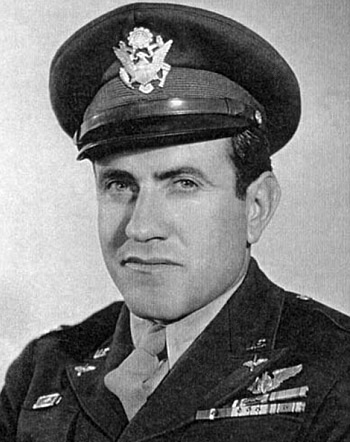
The Unlucky Olympic Runner
Imagine being an Olympic athlete running in front of Hitler himself in Berlin 1936. That was Louis Zamperini—a long-distance American runner who set a record for the fastest lap in the 5,000-meter event. He was just a mischievous kid from California who often got into trouble, but his running talent saved him. Unfortunately, fate had other plans.
Crashed, Adrift, and Continued to Survive
World War II broke out. Zamperini became a lieutenant and bombardier in a B-24 Liberator plane in the Pacific. On one mission searching for a missing plane, the engine failed and the plane crashed into the sea. Only three people survived—Zamperini and two of his companions. They floated on a rubber raft for 47 days. Without enough food, without clean water, attacked by sharks and exposed to intense sunlight. They ate raw seabirds and small fish they caught. Twice they were threatened with gunfire from Japanese ships. After 47 days, the raft reached the Japanese-controlled Marshall Islands. They were welcomed—not with open hands, but as prisoners of war.
Torture by the Cruel 'Owl'
In the prisoner of war camp, Zamperini met Mutsuhiro Watanabe, a Japanese officer who was feared. Watanabe, known as 'The Owl,' had an obsession with Zamperini because of his status as an Olympic runner. He beat, kicked, and tortured Zamperini every day. His goal was simple: to break his fighting spirit. Zamperini was moved to four different camps, including a coal mill camp, where forced labor and starvation became daily routines. However, his spirit never died.
Returning Home with Deep Wounds
After the war ended, Zamperini was freed. But the wounds of war did not heal so easily. He was haunted by nightmares, explosive anger, and severe PTSD. He started drinking heavily and almost divorced his wife, Cynthia. His life was destroyed. At one point, he thought about returning to Japan to kill Watanabe. But his wife urged him to attend a religious meeting held by Billy Graham. It was there that Zamperini found his way out: forgiveness.
Forgive and Inspire
Zamperini turned to Christianity and became a preacher. He shared his experiences, not with hatred, but with forgiveness. In 1950, he returned to Japan to visit the guards who had once tortured him. He publicly forgave them. However, Watanabe refused to meet him. Zamperini never regretted it. His story was immortalized in the book and film 'Unbroken' directed by Angelina Jolie. He died in 2014 at the age of 97, leaving behind a legend about physical endurance and the strength of the soul.
What Can We Learn?
Louis Zamperini teaches us that after every trial, there is a choice: to stay angry or to rise again. He chose to forgive. He did not forget, but he forgave. That is what makes his story not just a war story, but a story about humanity. So, when life feels heavy, remember the man who floated for 47 days, was tortured for years, yet still smiled.
Reference: Louis Zamperini — Wikipedia
He Was Thought Dead After 47 Days Afloat – He Came Back to Tell This. Louis Zamperini was not just an Olympic runner. After his plane crashed in the Pacific Ocean, he floated for 47 days without food, was captured by Japanese soldiers, and was tortured for years. However, his story did not end in bitterness—it became an inspiration that changed the world.. The Unlucky Olympic Runner
Imagine being an Olympic athlete running in front of Hitler himself in Berlin 1936. That was Louis Zamperini—a long-distance American runner who set a record for the fastest lap in the 5,000-meter event. He was just a mischievous kid from California who often got into trouble, but his running talent saved him. Unfortunately, fate had other plans.
Crashed, Adrift, and Continued to Survive
World War II broke out. Zamperini became a lieutenant and bombardier in a B-24 Liberator plane in the Pacific. On one mission searching for a missing plane, the engine failed and the plane crashed into the sea. Only three people survived—Zamperini and two of his companions. They floated on a rubber raft for 47 days. Without enough food, without clean water, attacked by sharks and exposed to intense sunlight. They ate raw seabirds and small fish they caught. Twice they were threatened with gunfire from Japanese ships. After 47 days, the raft reached the Japanese-controlled Marshall Islands. They were welcomed—not with open hands, but as prisoners of war.
Torture by the Cruel 'Owl'
In the prisoner of war camp, Zamperini met Mutsuhiro Watanabe, a Japanese officer who was feared. Watanabe, known as 'The Owl,' had an obsession with Zamperini because of his status as an Olympic runner. He beat, kicked, and tortured Zamperini every day. His goal was simple: to break his fighting spirit. Zamperini was moved to four different camps, including a coal mill camp, where forced labor and starvation became daily routines. However, his spirit never died.
Returning Home with Deep Wounds
After the war ended, Zamperini was freed. But the wounds of war did not heal so easily. He was haunted by nightmares, explosive anger, and severe PTSD. He started drinking heavily and almost divorced his wife, Cynthia. His life was destroyed. At one point, he thought about returning to Japan to kill Watanabe. But his wife urged him to attend a religious meeting held by Billy Graham. It was there that Zamperini found his way out: forgiveness.
Forgive and Inspire
Zamperini turned to Christianity and became a preacher. He shared his experiences, not with hatred, but with forgiveness. In 1950, he returned to Japan to visit the guards who had once tortured him. He publicly forgave them. However, Watanabe refused to meet him. Zamperini never regretted it. His story was immortalized in the book and film 'Unbroken' directed by Angelina Jolie. He died in 2014 at the age of 97, leaving behind a legend about physical endurance and the strength of the soul.
What Can We Learn?
Louis Zamperini teaches us that after every trial, there is a choice: to stay angry or to rise again. He chose to forgive. He did not forget, but he forgave. That is what makes his story not just a war story, but a story about humanity. So, when life feels heavy, remember the man who floated for 47 days, was tortured for years, yet still smiled.
Reference: Louis Zamperini — Wikipedia https://en.wikipedia.org/wiki/Louis Zamperini