What Is Phosphorus and Why Does It Glow?
Phosphorus is a chemical element with the symbol P and atomic number 15. It belongs to the pnictogen family, along with nitrogen, arsenic, antimony, and bismuth. This element is very reactive — in its pure form, it is never found naturally on Earth. Instead, it exists in compounds such as phosphate rock.
The most fascinating aspect of phosphorus is its ability to glow in the dark. When white phosphorus is exposed to oxygen, it emits a faint greenish light. This phenomenon is not phosphorescence, but chemiluminescence — light produced by a chemical reaction. This is what gave the element its name, derived from the Greek goddess Phosphorus, who carried the light of dawn.
Who Discovered Phosphorus and How?
Phosphorus was accidentally discovered in 1669 by a German alchemist named Hennig Brand. Brand was trying to find the philosopher's stone — a legendary substance that could turn common metals into gold. He heated urine until it dried, then heated the residue with sand. The result: a white substance that glowed in the dark and was highly flammable. Brand kept his discovery secret, but news about the 'glowing stone' spread, and eventually other scientists were able to repeat the experiment. This discovery marked the first time a new chemical element had been found since ancient times, and it signified the birth of modern chemistry.
Why Is Phosphorus So Dangerous?
White phosphorus is one of the most dangerous substances in the world. It can ignite spontaneously when exposed to air at room temperature. That is why it must be stored in water or in an oxygen-free environment. If it comes into contact with skin, it causes deep, difficult-to-heal burns. In history, white phosphorus was used in incendiary bombs and shells — it adhered to the skin and continued burning until consumed. Its use in warfare is strictly regulated by international law, but it is still reported in modern conflicts.
In addition, long-term exposure to phosphorus vapors can cause jaw necrosis — a condition where the jawbone decays and dies. This is known as "phosphorus jaw," which once affected match factory workers in the 19th century.
Is Phosphorus Important for Life?
Yes, it is extremely important. Without phosphorus, life as we know it would not exist. Phosphorus is a key component of DNA and RNA — molecules that store and transmit genetic information. It is also essential in ATP (adenosine triphosphate), the molecule that supplies energy to cells. Our bones and teeth are made of calcium phosphate, a phosphorus salt.
Plants also require phosphorus to grow. That is why phosphate fertilizers are widely used in agriculture. However, excessive mining of phosphate rock has led to a shortage of this resource — a threat to global food security.
What Is the Difference Between White and Red Phosphorus?
Phosphorus exists in several allotropes, but the most common are white and red.
- White phosphorus: Highly reactive, toxic, and glows in the dark. It consists of P4 molecules arranged in a tetrahedron. It is used in incendiary bombs and as a chemical agent.
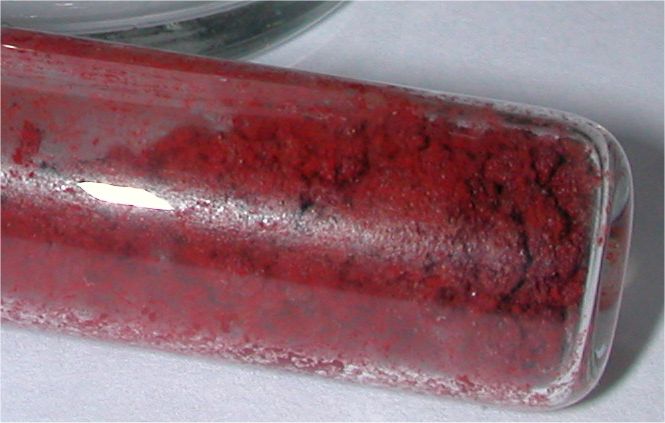
- Red phosphorus: More stable and less toxic. It is a polymer formed when white phosphorus is heated without oxygen. Red phosphorus is used in safety matches, fireworks, and as a preservative in plastics.
Main difference: white phosphorus ignites spontaneously in air, while red does not. Therefore, red phosphorus is safer to handle and use in everyday products.
Why Is Phosphorus Called the 'Element of Life and Death'?
Phosphorus holds two extreme, opposing roles. In the form of organic compounds, it is the backbone of life — DNA, cellular energy, and bone structure. Without phosphorus, we could not exist. But in its pure form, especially white phosphorus, it is a killer — toxic, flammable, and used in weapons.
In addition, excess phosphorus in the environment causes eutrophication — excessive growth of algae in lakes and rivers, which kills aquatic life. So, whether there is too much or too little phosphorus, it can lead to disaster. This is the paradox of the most important and most dangerous element in the world.
What Is the Future of Phosphorus?
The world is facing a phosphorus crisis. Phosphate rock is a limited, non-renewable resource. Current mining rates are estimated to deplete global reserves within 50-100 years. This means we need to find ways to recycle phosphorus from agricultural waste and sewage. Scientists are also studying methods to extract phosphorus from the ocean floor and meteorites.
At the same time, research on new phosphorus compounds for medical applications, such as anti-cancer and antibacterial drugs, continues to advance. Perhaps one day, phosphorus will help us cure diseases that are currently untreatable.
Conclusion
Phosphorus is a contrasting element: glowing but toxic, giving life but also bringing death. From an unusual alchemical discovery to its role in DNA and warfare, phosphorus continues to fascinate and challenge us. Understanding this element is not only important for science, but also for the survival of humanity on a planet increasingly running out of resources.
---
Reference: Phosphorus — Wikipedia
Mysterious Shining Element — Why Is Phosphorus So Dangerous and Important?. Phosphorus is a chemical element that glows in the dark, flammable, and highly reactive. It is an essential element in life, but in its pure form, it can be deadly. This article answers mysterious questions about phosphorus: from its surprising discovery to its role in bombs and DNA.. What Is Phosphorus and Why Does It Glow?
Phosphorus is a chemical element with the symbol P and atomic number 15. It belongs to the pnictogen family, along with nitrogen, arsenic, antimony, and bismuth. This element is very reactive — in its pure form, it is never found naturally on Earth. Instead, it exists in compounds such as phosphate rock.
The most fascinating aspect of phosphorus is its ability to glow in the dark. When white phosphorus is exposed to oxygen, it emits a faint greenish light. This phenomenon is not phosphorescence, but chemiluminescence — light produced by a chemical reaction. This is what gave the element its name, derived from the Greek goddess Phosphorus, who carried the light of dawn.
Who Discovered Phosphorus and How?
Phosphorus was accidentally discovered in 1669 by a German alchemist named Hennig Brand. Brand was trying to find the philosopher's stone — a legendary substance that could turn common metals into gold. He heated urine until it dried, then heated the residue with sand. The result: a white substance that glowed in the dark and was highly flammable. Brand kept his discovery secret, but news about the 'glowing stone' spread, and eventually other scientists were able to repeat the experiment. This discovery marked the first time a new chemical element had been found since ancient times, and it signified the birth of modern chemistry.
Why Is Phosphorus So Dangerous?
White phosphorus is one of the most dangerous substances in the world. It can ignite spontaneously when exposed to air at room temperature. That is why it must be stored in water or in an oxygen-free environment. If it comes into contact with skin, it causes deep, difficult-to-heal burns. In history, white phosphorus was used in incendiary bombs and shells — it adhered to the skin and continued burning until consumed. Its use in warfare is strictly regulated by international law, but it is still reported in modern conflicts.
In addition, long-term exposure to phosphorus vapors can cause jaw necrosis — a condition where the jawbone decays and dies. This is known as "phosphorus jaw," which once affected match factory workers in the 19th century.
Is Phosphorus Important for Life?
Yes, it is extremely important. Without phosphorus, life as we know it would not exist. Phosphorus is a key component of DNA and RNA — molecules that store and transmit genetic information. It is also essential in ATP adenosine triphosphate , the molecule that supplies energy to cells. Our bones and teeth are made of calcium phosphate, a phosphorus salt.
Plants also require phosphorus to grow. That is why phosphate fertilizers are widely used in agriculture. However, excessive mining of phosphate rock has led to a shortage of this resource — a threat to global food security.
What Is the Difference Between White and Red Phosphorus?
Phosphorus exists in several allotropes, but the most common are white and red.
White phosphorus : Highly reactive, toxic, and glows in the dark. It consists of P4 molecules arranged in a tetrahedron. It is used in incendiary bombs and as a chemical agent.
Red phosphorus : More stable and less toxic. It is a polymer formed when white phosphorus is heated without oxygen. Red phosphorus is used in safety matches, fireworks, and as a preservative in plastics.
Main difference: white phosphorus ignites spontaneously in air, while red does not. Therefore, red phosphorus is safer to handle and use in everyday products.
Why Is Phosphorus Called the 'Element of Life and Death'?
Phosphorus holds two extreme, opposing roles. In the form of organic compounds, it is the backbone of life — DNA, cellular energy, and bone structure. Without phosphorus, we could not exist. But in its pure form, especially white phosphorus, it is a killer — toxic, flammable, and used in weapons.
In addition, excess phosphorus in the environment causes eutrophication — excessive growth of algae in lakes and rivers, which kills aquatic life. So, whether there is too much or too little phosphorus, it can lead to disaster. This is the paradox of the most important and most dangerous element in the world.
What Is the Future of Phosphorus?
The world is facing a phosphorus crisis. Phosphate rock is a limited, non-renewable resource. Current mining rates are estimated to deplete global reserves within 50-100 years. This means we need to find ways to recycle phosphorus from agricultural waste and sewage. Scientists are also studying methods to extract phosphorus from the ocean floor and meteorites.
At the same time, research on new phosphorus compounds for medical applications, such as anti-cancer and antibacterial drugs, continues to advance. Perhaps one day, phosphorus will help us cure diseases that are currently untreatable.
Conclusion
Phosphorus is a contrasting element: glowing but toxic, giving life but also bringing death. From an unusual alchemical discovery to its role in DNA and warfare, phosphorus continues to fascinate and challenge us. Understanding this element is not only important for science, but also for the survival of humanity on a planet increasingly running out of resources.
---
Reference: Phosphorus — Wikipedia https://en.wikipedia.org/wiki/Phosphorus