A Grey Dawn Over Laos
The sky over Laos was still dark when the EC-47 reconnaissance aircraft, nicknamed Baron 52, streaked silently through the air. The cold air pierced the bone, seeping through the gaps in the aging aircraft's aluminum skin. Inside, eight crew members sat in their positions, monitoring radio waves and electronic signals from the dense jungle below. They were the eyes and ears of the United States in the Vietnam War, even though the war had officially ended seven days prior. The Paris Peace Accords had been signed, but on the ground, bullets were still flying.
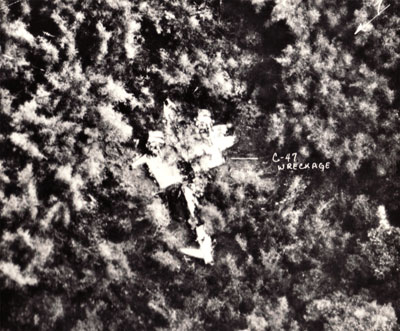
Just before dawn—around 4:30 AM local time—an SA-2 rocket shot from a Communist hideout. A loud explosion echoed. The aircraft lurched, caught fire, and then plunged in a vortex of flames and smoke. It crashed in hostile territory. It crashed amidst secrets that were never fully revealed.
Four Graves, Four Shadows
When rescue teams finally reached the crash site, they found the bodies of four crew members: Captain Robert E. Brown, Captain John W. Call III, Captain Robert W. Nystrom, and Staff Sergeant James B. Locker. They were buried with military honors, remembered as heroes who fell in the line of duty. However, four other names—Captain John L. Epley, Captain John L. H. Bowers Jr., Staff Sergeant Richard E. A. B., and another unnamed individual—were never found.
The US government declared them killed in action and in 1996 claimed their status as "accounted for." But the families and POW/MIA (Prisoners of War/Missing in Action) advocates did not believe it. They were convinced that the four men had survived the crash, possibly captured, and taken to an unknown location.
The High Value of the Reconnaissance Plane
The EC-47 was no ordinary aircraft. It was a variant of the DC-3 passenger plane converted into a signals intelligence platform. It was packed with sophisticated equipment to intercept enemy communications, track radar movements, and collect electronic data. For the Soviet Union, which had a strong presence in Laos and North Vietnam, capturing such an aircraft would have been a treasure trove. Its crew—trained in intelligence operations—would also be highly valuable.
The Soviets had a dense intelligence network in the region. They often transported American prisoners of war to Moscow for interrogation or as bargaining chips. Baron 52 crashed precisely in a zone controlled by Soviet-allied Pathet Lao forces. It is highly likely that the aircraft was looted within hours. Its equipment was dismantled, and its surviving crew were extracted from the wreckage.
Fading Traces, But Not Lost
For years, the families of the four missing men lived in uncertainty. They wrote letters to the Pentagon, to the International Committee of the Red Cross, even to the Kremlin. The answers they received were always the same: no concrete evidence. However, in 1991, the story of Baron 52 was featured on the popular television program,
Unsolved Mysteries. The broadcast triggered a new wave of information from eyewitnesses and former intelligence agents.
Several sources claimed to have seen the Baron 52 crew in a POW camp in Laos weeks after the crash. Some said they were transferred to North Vietnam, then to the Soviet Union. But without physical evidence—without photos, without letters—all of it remained whispers in the dark corridors of history. The US government maintained its stance: they were deceased. But for the families, hope never truly died.
A Lingering Mystery
To this day, Baron 52 remains one of the greatest mysteries in US military aviation history. Four empty graves at Arlington National Cemetery may mark their final resting place, but no one knows for sure. Perhaps they died in the Laotian jungle, their bones consumed by time. Or perhaps they lived to old age somewhere in Siberia, forgetting who they truly were.
What is certain is that the story of Baron 52 is a reminder that war never truly ends when the guns fall silent. It leaves unseen wounds and unanswered questions.
Epilogue: Shadows in the Sky
The sky over Laos is quiet now. No more reconnaissance planes cross the darkness of dawn. But for the families of Epley, Bowers, and the other two, every time they hear the drone of an aircraft in the distance, they still look up. Perhaps, somewhere, there is an answer. Perhaps, one day, the secret of Baron 52 will be revealed. Or perhaps, like the mist that shrouds the Laotian jungle, it will remain an eternal mystery.
---
This article is based on historical records and reports from the United States Air Force, the Unsolved Mysteries program, and family documents collected from open sources.
---
Reference: Baron 52 — Wikipedia
Mystery of Baron 52: US Intelligence Plane Disappears Over Laos, 4 Crew Suspected Kidnapped to Soviet Union. On February 5, 1973, an EC-47 aircraft with the call sign Baron 52 was shot down in Laos. Four of its eight crew members were found dead, but the fate of the other four remains a mystery. Families and activists believe they may have been captured and taken to the Soviet Union. This story was investigated by the program Unsolved Mysteries and still leaves unanswered questions today.. A Grey Dawn Over Laos
The sky over Laos was still dark when the EC-47 reconnaissance aircraft, nicknamed Baron 52, streaked silently through the air. The cold air pierced the bone, seeping through the gaps in the aging aircraft's aluminum skin. Inside, eight crew members sat in their positions, monitoring radio waves and electronic signals from the dense jungle below. They were the eyes and ears of the United States in the Vietnam War, even though the war had officially ended seven days prior. The Paris Peace Accords had been signed, but on the ground, bullets were still flying.
Just before dawn—around 4:30 AM local time—an SA-2 rocket shot from a Communist hideout. A loud explosion echoed. The aircraft lurched, caught fire, and then plunged in a vortex of flames and smoke. It crashed in hostile territory. It crashed amidst secrets that were never fully revealed.
Four Graves, Four Shadows
When rescue teams finally reached the crash site, they found the bodies of four crew members: Captain Robert E. Brown, Captain John W. Call III, Captain Robert W. Nystrom, and Staff Sergeant James B. Locker. They were buried with military honors, remembered as heroes who fell in the line of duty. However, four other names—Captain John L. Epley, Captain John L. H. Bowers Jr., Staff Sergeant Richard E. A. B., and another unnamed individual—were never found.
The US government declared them killed in action and in 1996 claimed their status as "accounted for." But the families and POW/MIA Prisoners of War/Missing in Action advocates did not believe it. They were convinced that the four men had survived the crash, possibly captured, and taken to an unknown location.
The High Value of the Reconnaissance Plane
The EC-47 was no ordinary aircraft. It was a variant of the DC-3 passenger plane converted into a signals intelligence platform. It was packed with sophisticated equipment to intercept enemy communications, track radar movements, and collect electronic data. For the Soviet Union, which had a strong presence in Laos and North Vietnam, capturing such an aircraft would have been a treasure trove. Its crew—trained in intelligence operations—would also be highly valuable.
The Soviets had a dense intelligence network in the region. They often transported American prisoners of war to Moscow for interrogation or as bargaining chips. Baron 52 crashed precisely in a zone controlled by Soviet-allied Pathet Lao forces. It is highly likely that the aircraft was looted within hours. Its equipment was dismantled, and its surviving crew were extracted from the wreckage.
Fading Traces, But Not Lost
For years, the families of the four missing men lived in uncertainty. They wrote letters to the Pentagon, to the International Committee of the Red Cross, even to the Kremlin. The answers they received were always the same: no concrete evidence. However, in 1991, the story of Baron 52 was featured on the popular television program, Unsolved Mysteries . The broadcast triggered a new wave of information from eyewitnesses and former intelligence agents.
Several sources claimed to have seen the Baron 52 crew in a POW camp in Laos weeks after the crash. Some said they were transferred to North Vietnam, then to the Soviet Union. But without physical evidence—without photos, without letters—all of it remained whispers in the dark corridors of history. The US government maintained its stance: they were deceased. But for the families, hope never truly died.
A Lingering Mystery
To this day, Baron 52 remains one of the greatest mysteries in US military aviation history. Four empty graves at Arlington National Cemetery may mark their final resting place, but no one knows for sure. Perhaps they died in the Laotian jungle, their bones consumed by time. Or perhaps they lived to old age somewhere in Siberia, forgetting who they truly were.
What is certain is that the story of Baron 52 is a reminder that war never truly ends when the guns fall silent. It leaves unseen wounds and unanswered questions.
Epilogue: Shadows in the Sky
The sky over Laos is quiet now. No more reconnaissance planes cross the darkness of dawn. But for the families of Epley, Bowers, and the other two, every time they hear the drone of an aircraft in the distance, they still look up. Perhaps, somewhere, there is an answer. Perhaps, one day, the secret of Baron 52 will be revealed. Or perhaps, like the mist that shrouds the Laotian jungle, it will remain an eternal mystery.
---
This article is based on historical records and reports from the United States Air Force, the Unsolved Mysteries program, and family documents collected from open sources.
---
Reference: Baron 52 — Wikipedia https://en.wikipedia.org/wiki/Baron 52