Introduction: The Syndrome Hiding a Silent Threat
In 1911, the medical world was shocked by the discovery of an unusual and confusing syndrome. Foster Kennedy, an Irish-born neurologist practicing in the United States, observed a consistent pattern in patients with brain tumors. This syndrome was named after him — Foster Kennedy syndrome — and became one of the most important clinical signs in neurology.
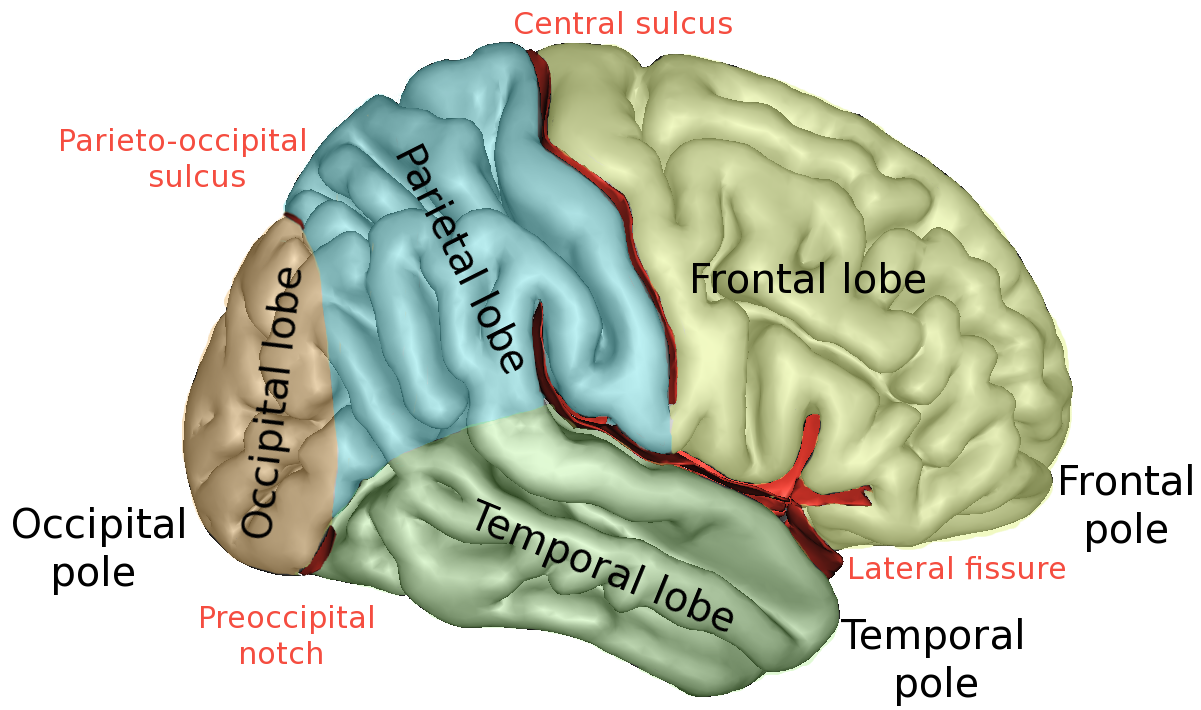
Foster Kennedy syndrome, sometimes called "Kennedy syndrome," is not an easy condition to detect. It is a group of symptoms related to a frontal lobe brain tumor. Patients will experience one blind or optically atrophic eye, while the other eye becomes swollen or exhibits papilledema. This condition seems like a puzzle that hides a silent threat within the brain.
History of Discovery: Foster Kennedy and the Sacrifice of a Scientist
Foster Kennedy (1884-1952) was born in Belfast, Ireland, and received his medical education at Queen's University. He later moved to the United States and became a professor of neurology at Cornell University Medical College. At that time, brain imaging technologies such as CT scans and MRIs did not exist. Doctors relied only on clinical observation and physical exams to diagnose brain diseases.
In 1911, Kennedy published an article in the prestigious medical journal "Archives of Internal Medicine," detailing seven cases of frontal lobe tumors. Each case showed the same pattern: optic atrophy in one eye and papilledema in the other. Kennedy concluded that tumors in the frontal lobe could cause pressure on the optic nerve, eventually leading to these symptoms. This discovery became the basis for Foster Kennedy syndrome, and it continues to be used as a diagnostic tool today.
Uniqueness of the Syndrome: Why One Eye Is Blind, the Other Swollen?
Foster Kennedy syndrome occurs when a frontal lobe tumor grows and presses on the optic nerve on one side of the brain. These tumors are usually meningiomas or gliomas that grow slowly. When the tumor presses on the optic nerve, it causes optic atrophy — damage to the nerve that carries visual signals from the eye to the brain. The affected eye gradually loses vision, and sometimes the patient does not realize the change until it is too late.
Meanwhile, the same tumor also causes increased intracranial pressure (pressure inside the skull). This pressure leads to the accumulation of cerebrospinal fluid around the optic nerve of the other eye, resulting in papilledema — swelling of the optic disc. Therefore, the patient will experience one blind eye and one swollen eye. This condition is very rare and affects approximately 5-10% of patients with frontal lobe tumors.
Pseudo-Foster Kennedy Syndrome: When Symptoms Mimic
There is another condition known as pseudo-Foster Kennedy syndrome. In this condition, patients also experience optic atrophy in one eye and papilledema in the other, but without the presence of a tumor. Pseudo-Foster Kennedy syndrome can be caused by various factors, including trauma, infection, or autoimmune diseases such as multiple sclerosis. Therefore, accurate diagnosis requires further examinations such as brain MRI and blood tests.
Pseudo-Foster Kennedy syndrome was first described in the 1950s by another neurologist. This condition shows how important modern technology is in distinguishing between the real syndrome and mimicking conditions. Without brain imaging, doctors might misdiagnose and provide inappropriate treatment.
Legacy of Foster Kennedy: From the 19th Century to the 21st Century
Foster Kennedy not only left a legacy in the form of this syndrome, but also in his contributions to neurology and psychiatry. He was among the first doctors to use electroencephalography (EEG) to detect brain activity. He also wrote several books and articles that became key references in the field of neurology.
However, Foster Kennedy syndrome should not be confused with Kennedy disease (Kennedy disease) or spinal and bulbar muscular atrophy (spinal and bulbar muscular atrophy). Kennedy disease is named after William R. Kennedy, a different neurologist. Kennedy disease is a genetic disorder affecting muscles, while Foster Kennedy syndrome is a syndrome related to brain tumors.
Treatment and Prognosis: From Surgery to Modern Therapy
Treatment for Foster Kennedy syndrome depends on the underlying cause, which is a frontal lobe tumor. In the past, brain surgery was the only option. Surgeons would try to remove the tumor completely, but the risk of complications was very high. Now, with technological advances, treatment includes microsurgery, radiation therapy, and chemotherapy. In some cases, doctors can also use targeted therapy or immunotherapy to treat the tumor.
The prognosis for patients depends on the size, location, and type of tumor. If the tumor is detected early and treated promptly, the patient may recover fully. However, optic atrophy that has already occurred is usually irreversible. Therefore, early detection is key to saving the patient's vision and life.
Conclusion: The Syndrome That Still Remains a Mystery
Although Foster Kennedy syndrome is rare, it still serves as a reminder of how complex the human body is. One blind eye and one swollen eye are not just physical symptoms — they are signals that the brain is battling a greater threat. For modern neurologists, this syndrome remains relevant as a diagnostic tool, especially in areas lacking access to advanced imaging technology.
Foster Kennedy's legacy lives on in every patient diagnosed with this syndrome. Although we have learned more about the mechanisms behind this syndrome, there are still many mysteries yet to be uncovered. Perhaps one day, science will find a way to treat frontal lobe tumors without waiting for this syndrome to appear. Until then, Foster Kennedy syndrome will continue to serve as a warning that cannot be ignored.
---
Reference: Foster Kennedy syndrome — Wikipedia
Foster Kennedy Syndrome Mystery: One Blind Eye, One Swollen Eye — A Sign of Malignant Brain Tumor. Foster Kennedy syndrome is a rare neurological syndrome in which a patient experiences optic atrophy in one eye and papilledema in the other. This condition often serves as an early sign of a frontal lobe brain tumor. This article explores the history of the syndrome's discovery by the renowned neurologist Foster Kennedy, as well as how it remains a mystery in modern medicine.. Introduction: The Syndrome Hiding a Silent Threat
In 1911, the medical world was shocked by the discovery of an unusual and confusing syndrome. Foster Kennedy, an Irish-born neurologist practicing in the United States, observed a consistent pattern in patients with brain tumors. This syndrome was named after him — Foster Kennedy syndrome — and became one of the most important clinical signs in neurology.
Foster Kennedy syndrome, sometimes called "Kennedy syndrome," is not an easy condition to detect. It is a group of symptoms related to a frontal lobe brain tumor. Patients will experience one blind or optically atrophic eye, while the other eye becomes swollen or exhibits papilledema. This condition seems like a puzzle that hides a silent threat within the brain.
History of Discovery: Foster Kennedy and the Sacrifice of a Scientist
Foster Kennedy 1884-1952 was born in Belfast, Ireland, and received his medical education at Queen's University. He later moved to the United States and became a professor of neurology at Cornell University Medical College. At that time, brain imaging technologies such as CT scans and MRIs did not exist. Doctors relied only on clinical observation and physical exams to diagnose brain diseases.
In 1911, Kennedy published an article in the prestigious medical journal "Archives of Internal Medicine," detailing seven cases of frontal lobe tumors. Each case showed the same pattern: optic atrophy in one eye and papilledema in the other. Kennedy concluded that tumors in the frontal lobe could cause pressure on the optic nerve, eventually leading to these symptoms. This discovery became the basis for Foster Kennedy syndrome, and it continues to be used as a diagnostic tool today.
Uniqueness of the Syndrome: Why One Eye Is Blind, the Other Swollen?
Foster Kennedy syndrome occurs when a frontal lobe tumor grows and presses on the optic nerve on one side of the brain. These tumors are usually meningiomas or gliomas that grow slowly. When the tumor presses on the optic nerve, it causes optic atrophy — damage to the nerve that carries visual signals from the eye to the brain. The affected eye gradually loses vision, and sometimes the patient does not realize the change until it is too late.
Meanwhile, the same tumor also causes increased intracranial pressure pressure inside the skull . This pressure leads to the accumulation of cerebrospinal fluid around the optic nerve of the other eye, resulting in papilledema — swelling of the optic disc. Therefore, the patient will experience one blind eye and one swollen eye. This condition is very rare and affects approximately 5-10% of patients with frontal lobe tumors.
Pseudo-Foster Kennedy Syndrome: When Symptoms Mimic
There is another condition known as pseudo-Foster Kennedy syndrome. In this condition, patients also experience optic atrophy in one eye and papilledema in the other, but without the presence of a tumor. Pseudo-Foster Kennedy syndrome can be caused by various factors, including trauma, infection, or autoimmune diseases such as multiple sclerosis. Therefore, accurate diagnosis requires further examinations such as brain MRI and blood tests.
Pseudo-Foster Kennedy syndrome was first described in the 1950s by another neurologist. This condition shows how important modern technology is in distinguishing between the real syndrome and mimicking conditions. Without brain imaging, doctors might misdiagnose and provide inappropriate treatment.
Legacy of Foster Kennedy: From the 19th Century to the 21st Century
Foster Kennedy not only left a legacy in the form of this syndrome, but also in his contributions to neurology and psychiatry. He was among the first doctors to use electroencephalography EEG to detect brain activity. He also wrote several books and articles that became key references in the field of neurology.
However, Foster Kennedy syndrome should not be confused with Kennedy disease Kennedy disease or spinal and bulbar muscular atrophy spinal and bulbar muscular atrophy . Kennedy disease is named after William R. Kennedy, a different neurologist. Kennedy disease is a genetic disorder affecting muscles, while Foster Kennedy syndrome is a syndrome related to brain tumors.
Treatment and Prognosis: From Surgery to Modern Therapy
Treatment for Foster Kennedy syndrome depends on the underlying cause, which is a frontal lobe tumor. In the past, brain surgery was the only option. Surgeons would try to remove the tumor completely, but the risk of complications was very high. Now, with technological advances, treatment includes microsurgery, radiation therapy, and chemotherapy. In some cases, doctors can also use targeted therapy or immunotherapy to treat the tumor.
The prognosis for patients depends on the size, location, and type of tumor. If the tumor is detected early and treated promptly, the patient may recover fully. However, optic atrophy that has already occurred is usually irreversible. Therefore, early detection is key to saving the patient's vision and life.
Conclusion: The Syndrome That Still Remains a Mystery
Although Foster Kennedy syndrome is rare, it still serves as a reminder of how complex the human body is. One blind eye and one swollen eye are not just physical symptoms — they are signals that the brain is battling a greater threat. For modern neurologists, this syndrome remains relevant as a diagnostic tool, especially in areas lacking access to advanced imaging technology.
Foster Kennedy's legacy lives on in every patient diagnosed with this syndrome. Although we have learned more about the mechanisms behind this syndrome, there are still many mysteries yet to be uncovered. Perhaps one day, science will find a way to treat frontal lobe tumors without waiting for this syndrome to appear. Until then, Foster Kennedy syndrome will continue to serve as a warning that cannot be ignored.
---
Reference: Foster Kennedy syndrome — Wikipedia https://en.wikipedia.org/wiki/Foster Kennedy syndrome