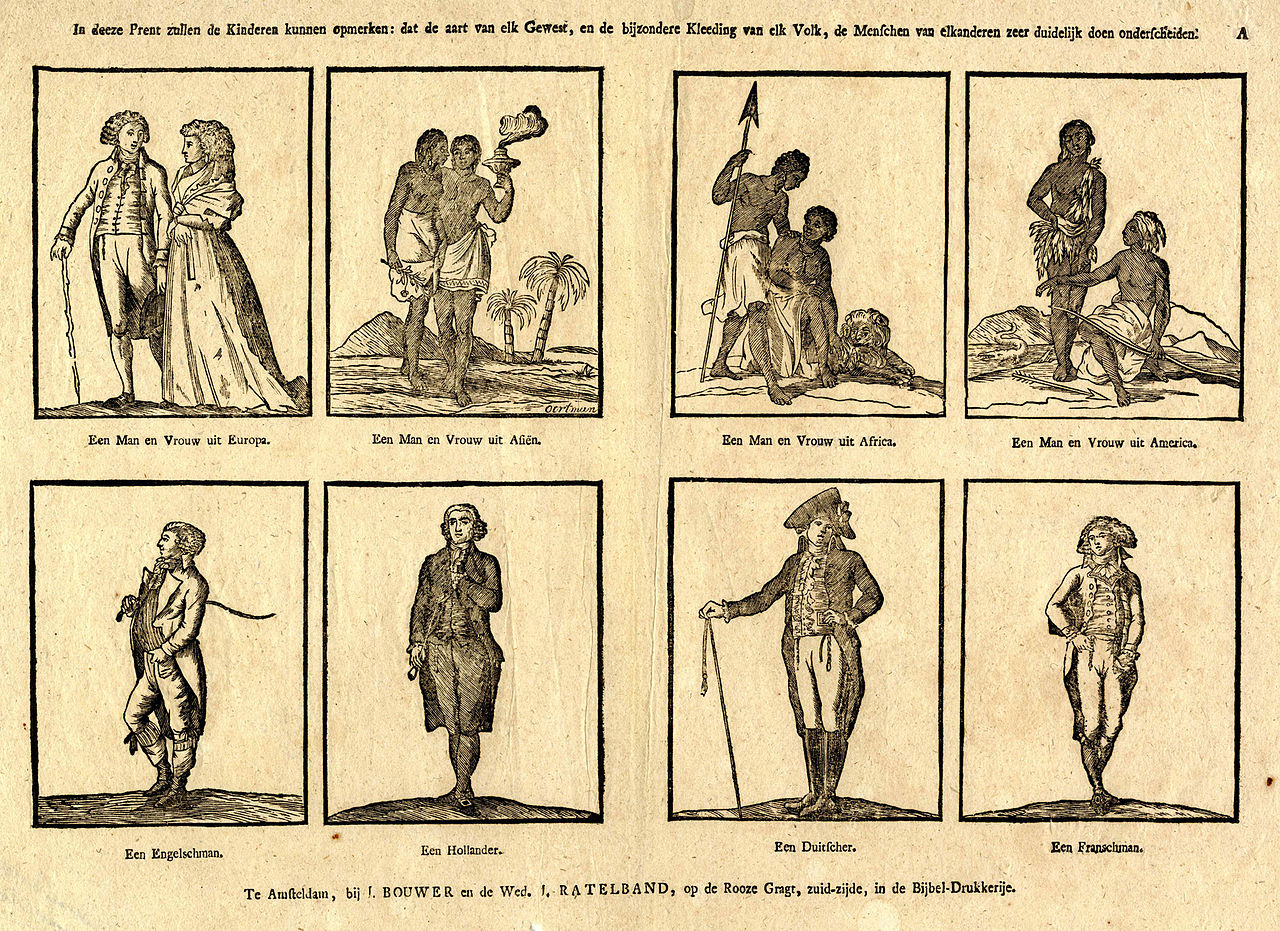
Have you ever heard the saying 'don't judge a book by its cover'? But in reality, we all—unconsciously—love judging others based on their group. Whether it's race, gender, occupation, or hobby, we have a 'mental catalog' ready to label anyone. This phenomenon in social psychology is called stereotyping.
In this article, we will uncover what exactly stereotyping is, why it exists, whether it is correct or not, and how it can be good or bad. Let's break it down one by one!
What Exactly Is a Stereotype?
In social psychology, a stereotype is defined as a common belief about a category of people. In other words, we generalize about the personality, values, appearance, or abilities of all people in a group. For example: 'All Japanese people are good at technology' or 'Men can't cook'.
Why do we do this? Because our brains are actually lazy! When we meet a new person, our brain wants to save energy by using existing information in our memory rather than processing new information one by one. In other words, stereotypes are mental 'shortcuts'. But what if these shortcuts are wrong? That's where the problem lies.
When Stereotypes Become 'Incorrect Truths'
Interestingly, stereotypes are not always accurate. Research on the accuracy of stereotypes for nationality or zodiac signs, for example, shows they are very inaccurate. However, for gender stereotypes—such as 'women are more caring' or 'men are more aggressive'—there is also some that reflect reality, although not 100%.
So, stereotypes are not a black-and-white thing. They can be partially true, but they can also be nonsense. And that's dangerous: when we continue to believe in stereotypes even when there is conflicting evidence, we become stubborn and find it hard to accept new information.
Positive Stereotypes: Good or Bad Too?
Many people think stereotypes are always negative. But in fact, stereotypes can be positive or neutral. Example of a positive stereotype: 'Chinese people are good at math' or 'Women are better at communication'. Sounds like a compliment, right? But wait.
Even though they are positive, stereotypes are still dangerous because they erase individual uniqueness. Not all Chinese people are good at math, and not all men are bad at communication. When we place expectations based on stereotypes, we can pressure people who don't meet our expectations. So, positive stereotypes can also be toxic.
Why Are Stereotypes So Hard to Get Rid Of?
One characteristic of stereotypes that is particularly stubborn is that they resist new information. When we believe something about a group, our brain will look for evidence that confirms our belief and ignore contradictory evidence. This is called 'confirmation bias'.
Example: If we believe 'today's teenagers are lazy', every time we see a teenager hanging out in a warung, we say 'look, they are really lazy'. But when we see a hardworking teenager studying, we say 'that's an exception'. There it is. Our brain doesn't like changing existing beliefs.
Hidden Stereotypes: What We Don't Realize
In addition to stereotypes we are aware of (explicit stereotypes), there are also hidden stereotypes in our subconscious (implicit stereotypes). These are beliefs we don't know we have, but they still influence our actions. For example: In tests, many white people unconsciously associate black faces with negative words rather than positive ones, even though they know racism is wrong.
These hidden stereotypes are very difficult to change because they are embedded in our long-term memory, resulting from culture, media, and past experiences. However, awareness is the first step. When we realize we have unconscious biases, we can start to fight against them.
Can We Eliminate Stereotypes?
The good news is: we don't have to be victims of stereotypes. With education, awareness, and exposure to diversity, we can reduce the impact of stereotypes. How? Among them:
- Know yourself: ask why you believe something about a group.
- Look for conflicting evidence: deliberately seek examples that contradict the stereotype to counter confirmation bias.
- Socialize with different types of people: the more experience we have with different individuals, the less we rely on generalizations.
In conclusion, stereotypes are a natural psychological phenomenon, but that doesn't mean we have to accept them as they are. Our brains are lazy, but we can choose to be wiser. So, next time you feel like labeling someone, think twice. Because everyone is an individual—no just another example in our mental catalog.
---
Reference: Stereotype — Wikipedia
Our Brains Are Lazy? Here's Why Humans Believe in Stereotypes (Even When Wrong). Have you ever judged someone just because of their race, gender, or occupation without really knowing them? That is a stereotype: a common belief about a group that is often inaccurate. This article will reveal why our brains love making stereotypes, whether they are positive or negative, and why they are hard to change even when facts say otherwise.. Have you ever heard the saying 'don't judge a book by its cover'? But in reality, we all—unconsciously—love judging others based on their group. Whether it's race, gender, occupation, or hobby, we have a 'mental catalog' ready to label anyone. This phenomenon in social psychology is called stereotyping.
In this article, we will uncover what exactly stereotyping is, why it exists, whether it is correct or not, and how it can be good or bad. Let's break it down one by one!
What Exactly Is a Stereotype?
In social psychology, a stereotype is defined as a common belief about a category of people. In other words, we generalize about the personality, values, appearance, or abilities of all people in a group. For example: 'All Japanese people are good at technology' or 'Men can't cook'.
Why do we do this? Because our brains are actually lazy! When we meet a new person, our brain wants to save energy by using existing information in our memory rather than processing new information one by one. In other words, stereotypes are mental 'shortcuts'. But what if these shortcuts are wrong? That's where the problem lies.
When Stereotypes Become 'Incorrect Truths'
Interestingly, stereotypes are not always accurate. Research on the accuracy of stereotypes for nationality or zodiac signs, for example, shows they are very inaccurate. However, for gender stereotypes—such as 'women are more caring' or 'men are more aggressive'—there is also some that reflect reality, although not 100%.
So, stereotypes are not a black-and-white thing. They can be partially true, but they can also be nonsense. And that's dangerous: when we continue to believe in stereotypes even when there is conflicting evidence, we become stubborn and find it hard to accept new information.
Positive Stereotypes: Good or Bad Too?
Many people think stereotypes are always negative. But in fact, stereotypes can be positive or neutral. Example of a positive stereotype: 'Chinese people are good at math' or 'Women are better at communication'. Sounds like a compliment, right? But wait.
Even though they are positive, stereotypes are still dangerous because they erase individual uniqueness. Not all Chinese people are good at math, and not all men are bad at communication. When we place expectations based on stereotypes, we can pressure people who don't meet our expectations. So, positive stereotypes can also be toxic.
Why Are Stereotypes So Hard to Get Rid Of?
One characteristic of stereotypes that is particularly stubborn is that they resist new information. When we believe something about a group, our brain will look for evidence that confirms our belief and ignore contradictory evidence. This is called 'confirmation bias'.
Example: If we believe 'today's teenagers are lazy', every time we see a teenager hanging out in a warung, we say 'look, they are really lazy'. But when we see a hardworking teenager studying, we say 'that's an exception'. There it is. Our brain doesn't like changing existing beliefs.
Hidden Stereotypes: What We Don't Realize
In addition to stereotypes we are aware of explicit stereotypes , there are also hidden stereotypes in our subconscious implicit stereotypes . These are beliefs we don't know we have, but they still influence our actions. For example: In tests, many white people unconsciously associate black faces with negative words rather than positive ones, even though they know racism is wrong.
These hidden stereotypes are very difficult to change because they are embedded in our long-term memory, resulting from culture, media, and past experiences. However, awareness is the first step. When we realize we have unconscious biases, we can start to fight against them.
Can We Eliminate Stereotypes?
The good news is: we don't have to be victims of stereotypes. With education, awareness, and exposure to diversity, we can reduce the impact of stereotypes. How? Among them:
- Know yourself: ask why you believe something about a group.
- Look for conflicting evidence: deliberately seek examples that contradict the stereotype to counter confirmation bias.
- Socialize with different types of people: the more experience we have with different individuals, the less we rely on generalizations.
In conclusion, stereotypes are a natural psychological phenomenon, but that doesn't mean we have to accept them as they are. Our brains are lazy, but we can choose to be wiser. So, next time you feel like labeling someone, think twice. Because everyone is an individual—no just another example in our mental catalog.
---
Reference: Stereotype — Wikipedia https://en.wikipedia.org/wiki/Stereotype