AI
Kandungan Ditaja (Sponsored)
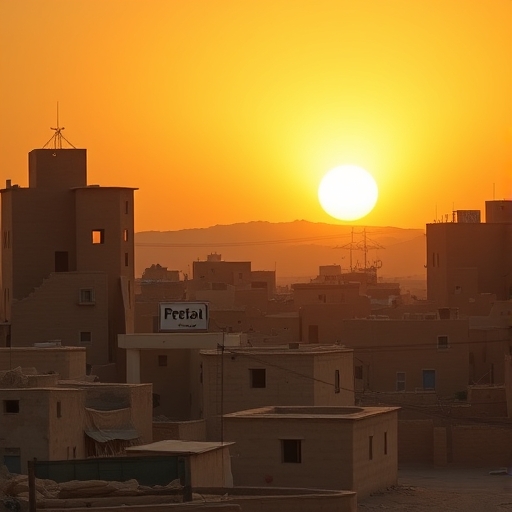
Shibam: Kebangsaan yang Menakjubkan, 'Manhattan of the Desert' yang Bersejarah. Shibam, kota zaman purba di Yaman yang dikenali sebagai 'Manhattan of the Desert', adalah contoh yang menakjubkan tentang budaya dan teknologi bangunan terdahulu. Ditempatkan di pegunungan hadapan padang pasir, kota ini menawarkan pemandangan yang menarik dengan bangunan-bangunan bertingkat tinggi yang dibina daripada tanah liat pada abad ke-16.. Shibam: Kebangsaan yang Menakjubkan, 'Manhattan of the Desert' yang Bersejarah
Di tengah gurun Yaman, terdapat kota zaman purba yang menawan, Shibam. Dikenali sebagai 'Manhattan of the Desert', Shibam adalah contoh yang mengagumkan tentang budaya dan kreativiti manusia purba. Ditempatkan di pegunungan hadapan padang pasir, kota ini menawarkan pemandangan yang menarik dengan bangunan-bangunan bertingkat tinggi yang dibina daripada tanah liat pada abad ke-16.
Sejarah dan Kebangsaan Arsitektur
Shibam, yang terletak di tetap gurun Rub' al Khali, adalah pelakas wujud semula jadi kota tempatan pertama. Sejarah kota ini boleh ditakrifkan kembali ke zaman lasal, tetapi puncak kebimbangannya adalah pada abad ke-16 dan ke-17, di mana para penduduk mula membangunkan bangunan-bangunan bertingkat tinggi daripada bata tanah liat yang dikenali sebagai 'qal'ats'. Bangunan-bangunan ini, yang biasanya memiliki enam hingga tujuh tingkat, adalah diantara bangunan-bangunan tertinggi pertama di dunia yang dibina daripada tanah liat.
Binaan dari Tanah Liat
Bahan utama yang digunakan untuk membangunkan Shibam adalah tanah liat dan batu bata. Tanah liat yang diambil dari kawasan sekitar digunakan untuk membentuk batu bata yang kuat dan tahan lama. Batu bata ini diproses dengan teknik yang rumit, termasuk pengeringan di bawah sinar matahari dan pengecoran dengan catatan tertentu untuk meningkatkan daya tahan. Dinding-dinding bangunan ini tebal, biasanya lebih daripada satu meter, yang memberikan daya tahan dan keselesaan termik yang baik.
Perlindungan dari Hujan dan Erosi
Salah satu masalah terbesar yang dihadapi Shibam adalah pengaruh cuaca, terutama hujan dan pengikisan. Untuk melindungi bangunan-bangunan ini, penduduk purba menggunakan teknik seperti permukaan yang diperkuat dengan argil atau tanah liat yang diterapkan sebagai lapisan luar. Teknik ini tidak hanya melindungi dinding dari pengikisan tetapi juga membantu menghalang masuknya air ke dalam bangunan. Selain itu, atap-atap bangunan dibina daripada kayu dan tanah liat yang ditekan, yang memberikan pelindungan tambahan dari hujan dan panas.
Peranan dalam Kebudayaan dan Pariwisata
Shibam bukan sahaja contoh yang menakjubkan tentang budaya dan teknologi bangunan pertama tetapi juga pelakas wujud semula jadi warisan budaya yang berharga. Pada tahun 1982, UNESCO meluluskannya sebagai Tapak Warisan Dunia, mengakui nilainya sejarah dan kebudayaan. Hari ini, Shibam menarik pelancong dari seluruh dunia yang berminat untuk melihat kaedah bangunan unik dan sejarah yang kaya.
masa depan dan Pelestarian
Walaupun Shibam adalah contoh yang menakjubkan tentang budaya dan teknologi bangunan pertama, ia juga menghadapi cabaran moden seperti pengaruh cuaca dan penyusutan permukiman. Upaya-upaya pelestarian terus dijalankan untuk melindungi bangunan-bangunan ini dan memastikan warisan budaya ini terus hidup bagi generasi masa depan.
Kesimpulan
Shibam adalah contoh yang mengagumkan tentang budaya dan kreativiti manusia purba. Dengan bangunan-bangunan bertingkat tinggi yang dibina daripada tanah liat, kota ini adalah pelakas wujud semula jadi kota tempatan pertama yang menunjukkan budaya dan teknologi yang cemerlang. Sebagai UNESCO World Heritage Site, Shibam terus menjadi simbol yang penting mengenai kebudayaan dan sejarah Yaman, menarik pelancong dan ahli sains dari seluruh dunia.