Unwanted Movements: The Phenomenon of Tardive Dyskinesia
Behind the scenes of the medical world lies a bitter truth: medicines created to heal sometimes bring new suffering. Tardive dyskinesia (TD) is iatrogenic—a disease that arises from the treatment itself. It is like a ghost that appears after months or years of using certain medications. Patients with TD feel their bodies are controlled by an alien force: faces furrowing without intent, tongues protruding, and lips smacking as if sending secret signals. More tragically, these movements are not intentional; they are involuntary, spontaneous, and difficult to control.
For some individuals, TD is mild—just an oddity that can be ignored. However, in 20% of cases, it disrupts daily routines: difficulty eating, speaking, or walking. Doctors observe movement patterns such as chorea (uncontrolled dancing) or athetosis (slow, snake-like movements). Each movement is silent, wordless, yet full of meaning: a warning that the medicine has altered the brain chemistry too deeply.
Hidden Causes: What Triggers This 'Dance'?
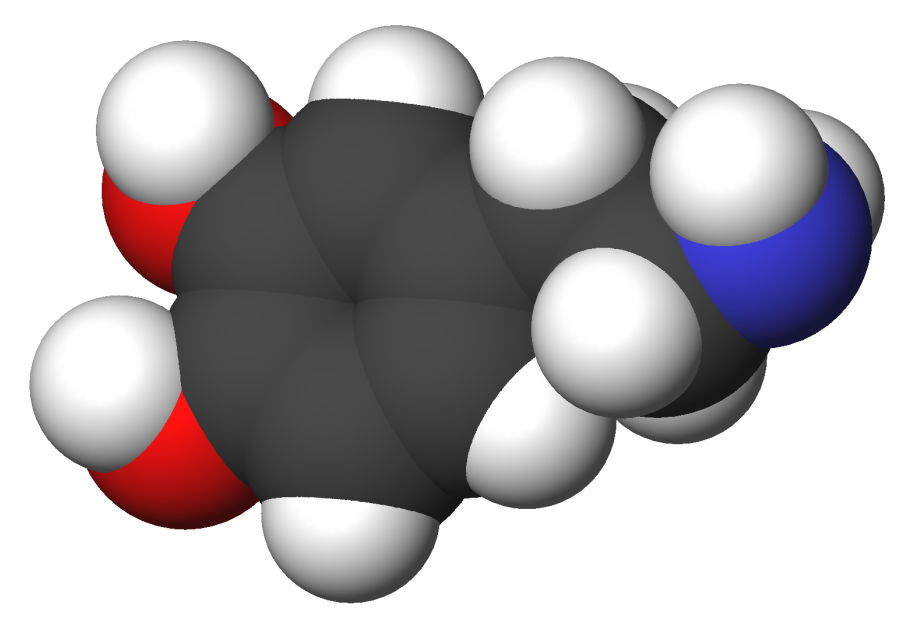
TD is not a random accident; it is a direct result of long-term use of medications that block dopamine receptors in the brain. Dopamine is a neurotransmitter that controls movement, emotions, and motivation. When medications such as antipsychotics (used for schizophrenia, bipolar disorder) or metoclopramide (for stomach issues) block it continuously, the brain responds by overcompensating. After time, the nervous system becomes hypersensitive—and when the medication is stopped, the brain "explodes" with spontaneous movements.
However, risk factors are not solely about the medication. Genetics, age, and gender also play a role. Women are more frequently affected than men, and older patients are more vulnerable. High doses and prolonged use of medication also increase the risk. Ironyously, this condition often occurs in patients who need the medication for mental health—making them trapped between two choices: enduring side effects or facing the original illness.
Difficult Diagnosis: Between Tardive Dyskinesia and Other Disorders
Diagnosing TD is not easy. Its symptoms can be mistaken for other diseases such as Parkinson's disease, Huntington's disease, or even the psychiatric disorder itself. Doctors must go through a process of elimination—ruling out other possibilities before confirming TD. A patient's medical history is key; if they have taken dopamine-blocking medications for a long period, then TD is the main suspect.
There is no specific blood test or scan for TD. Diagnosis depends entirely on clinical observation and movement assessment scales. Doctors will ask patients to perform specific movements such as sticking out their tongue, frowning, or shaking their hands. Any uncontrolled movement is carefully recorded. Sometimes, TD only appears after the medication is stopped—a bitter irony, as the original treatment is no longer needed.
Prevention Is Better: Strategies to Avoid Tardive Dyskinesia
Prevention is the first line of defense. Doctors are advised to use antipsychotics at the lowest effective dose for the shortest possible time. If long-term treatment is necessary, regular monitoring is essential. For patients with mild TD, stopping the medication may restore the condition—but only if the symptoms are not too severe and the duration of use is not too long.
In addition, alternatives such as atypical antipsychotics are considered to have a lower risk of TD. However, the risk still exists, just at a lower level. Other methods include switching to medications that do not directly block dopamine, or using additional therapies to reduce symptoms. However, these decisions must be made carefully, as abruptly stopping antipsychotic medication can trigger worse psychosis.
Treatment and Hope: Will This Dance Ever End?
For those already affected, treatment can help but rarely completely cure. Medications used include vesicular monoamine transporter 2 (VMAT2) inhibitors such as valbenazine, which help reduce involuntary movements. Physical and occupational therapy can also train patients to control their movements, or at least reduce the impact on daily life.
However, real hope lies in awareness. Many patients and doctors are unaware of the risk of TD until it becomes chronic. Education is key: patients should be informed about the possibility of side effects before starting treatment, and monitored regularly. With knowledge, they can make smarter decisions—whether to continue treatment or seek alternatives.
The Dance Does Not Stop: Mission Against Stigma and Finding a Voice
Tardive dyskinesia is not just a movement disorder; it is also social stigma. Patients often feel ashamed of their movements and withdraw from social interactions. Society needs to understand that this is not "habit" or "madness"—it is a legitimate medical effect. With psychological support and an inclusive environment, patients can lead meaningful lives even as the uncontrollable dance continues.
In conclusion, TD is a lesson about balance in medicine: every drug has a cost, and sometimes the cost is part of our own bodies. Our mission is not only to treat, but to understand, prevent, and support—so that no one has to dance alone in the dark.
---
Reference: Tardive dyskinesia — Wikipedia
Uncontrollable Movements Due to Medicine: The Hidden Secret of Tardive Dyskinesia. Imagine one day, your hands, legs, or face start moving on their own—like an odd dance forced upon you. This is the reality for patients with tardive dyskinesia, a side effect of medication often overlooked. With one in five patients experiencing daily function disruptions, this condition remains a medical mystery rarely understood. What causes it? How can it be prevented? Let's delve into this story.. Unwanted Movements: The Phenomenon of Tardive Dyskinesia
Behind the scenes of the medical world lies a bitter truth: medicines created to heal sometimes bring new suffering. Tardive dyskinesia TD is iatrogenic—a disease that arises from the treatment itself. It is like a ghost that appears after months or years of using certain medications. Patients with TD feel their bodies are controlled by an alien force: faces furrowing without intent, tongues protruding, and lips smacking as if sending secret signals. More tragically, these movements are not intentional; they are involuntary, spontaneous, and difficult to control.
For some individuals, TD is mild—just an oddity that can be ignored. However, in 20% of cases, it disrupts daily routines: difficulty eating, speaking, or walking. Doctors observe movement patterns such as chorea uncontrolled dancing or athetosis slow, snake-like movements . Each movement is silent, wordless, yet full of meaning: a warning that the medicine has altered the brain chemistry too deeply.
Hidden Causes: What Triggers This 'Dance'?
TD is not a random accident; it is a direct result of long-term use of medications that block dopamine receptors in the brain. Dopamine is a neurotransmitter that controls movement, emotions, and motivation. When medications such as antipsychotics used for schizophrenia, bipolar disorder or metoclopramide for stomach issues block it continuously, the brain responds by overcompensating. After time, the nervous system becomes hypersensitive—and when the medication is stopped, the brain "explodes" with spontaneous movements.
However, risk factors are not solely about the medication. Genetics, age, and gender also play a role. Women are more frequently affected than men, and older patients are more vulnerable. High doses and prolonged use of medication also increase the risk. Ironyously, this condition often occurs in patients who need the medication for mental health—making them trapped between two choices: enduring side effects or facing the original illness.
Difficult Diagnosis: Between Tardive Dyskinesia and Other Disorders
Diagnosing TD is not easy. Its symptoms can be mistaken for other diseases such as Parkinson's disease, Huntington's disease, or even the psychiatric disorder itself. Doctors must go through a process of elimination—ruling out other possibilities before confirming TD. A patient's medical history is key; if they have taken dopamine-blocking medications for a long period, then TD is the main suspect.
There is no specific blood test or scan for TD. Diagnosis depends entirely on clinical observation and movement assessment scales. Doctors will ask patients to perform specific movements such as sticking out their tongue, frowning, or shaking their hands. Any uncontrolled movement is carefully recorded. Sometimes, TD only appears after the medication is stopped—a bitter irony, as the original treatment is no longer needed.
Prevention Is Better: Strategies to Avoid Tardive Dyskinesia
Prevention is the first line of defense. Doctors are advised to use antipsychotics at the lowest effective dose for the shortest possible time. If long-term treatment is necessary, regular monitoring is essential. For patients with mild TD, stopping the medication may restore the condition—but only if the symptoms are not too severe and the duration of use is not too long.
In addition, alternatives such as atypical antipsychotics are considered to have a lower risk of TD. However, the risk still exists, just at a lower level. Other methods include switching to medications that do not directly block dopamine, or using additional therapies to reduce symptoms. However, these decisions must be made carefully, as abruptly stopping antipsychotic medication can trigger worse psychosis.
Treatment and Hope: Will This Dance Ever End?
For those already affected, treatment can help but rarely completely cure. Medications used include vesicular monoamine transporter 2 VMAT2 inhibitors such as valbenazine, which help reduce involuntary movements. Physical and occupational therapy can also train patients to control their movements, or at least reduce the impact on daily life.
However, real hope lies in awareness. Many patients and doctors are unaware of the risk of TD until it becomes chronic. Education is key: patients should be informed about the possibility of side effects before starting treatment, and monitored regularly. With knowledge, they can make smarter decisions—whether to continue treatment or seek alternatives.
The Dance Does Not Stop: Mission Against Stigma and Finding a Voice
Tardive dyskinesia is not just a movement disorder; it is also social stigma. Patients often feel ashamed of their movements and withdraw from social interactions. Society needs to understand that this is not "habit" or "madness"—it is a legitimate medical effect. With psychological support and an inclusive environment, patients can lead meaningful lives even as the uncontrollable dance continues.
In conclusion, TD is a lesson about balance in medicine: every drug has a cost, and sometimes the cost is part of our own bodies. Our mission is not only to treat, but to understand, prevent, and support—so that no one has to dance alone in the dark.
---
Reference: Tardive dyskinesia — Wikipedia https://en.wikipedia.org/wiki/Tardive dyskinesia