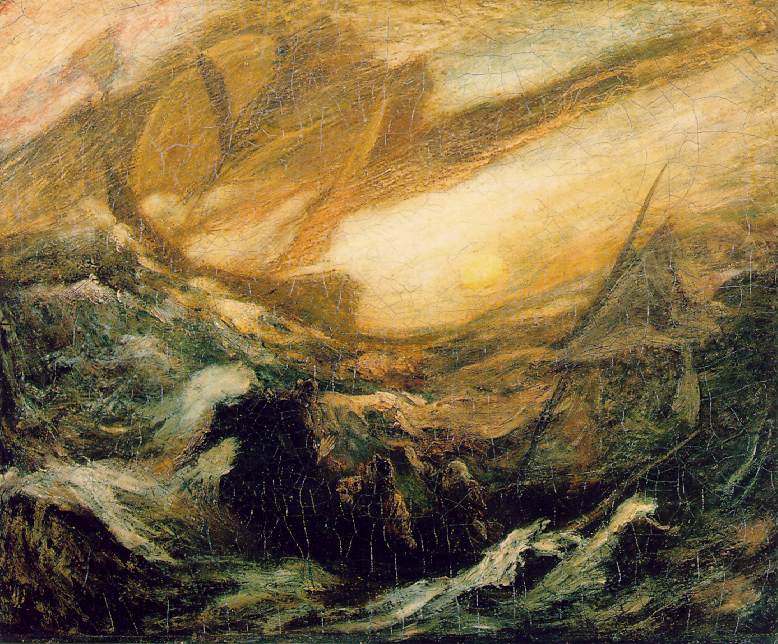
The Ship Without a Harbor: Unraveling the Origins of a Global Legend
Have you ever heard of a ship that sails forever, never docking at any port, crewed by sailors long dead? That's the Flying Dutchman, or
De Vliegende Hollander in Dutch. This name isn't just a coffee shop tale by the sea. It's one of the most famous maritime mysteries in history, documented in sailing logs, 19th-century newspapers, and eyewitness accounts claiming to have seen it glowing in thick fog.
According to legend, the Flying Dutchman is a 17th-century Dutch fluyt cargo ship built during the Dutch Golden Age of the Dutch East India Company (VOC). What makes it extraordinary isn't its design, but its fate.
The First Evidence: Sailing Logs and Victorian Newspapers
The oldest surviving version of this legend dates back to the late 18th century. A travel book from 1790 tells of a ghost ship appearing off Cape of Good Hope, South Africa. However, the real surge in popularity occurred in the 19th century, when British newspapers began reporting 'sightings' of the Flying Dutchman. In 1835,
The Times reported that the crew of HM
Vestal saw an unusual ship resembling a Dutch fluyt, sailing in a fierce storm. The ship looked red and glowed strangely, as if it had been set on fire from within. Another report in 1881 mentioned that Prince George, the future King George V, while serving as a young officer on HMS
Bacchante, wrote in the ship's log that they saw the Flying Dutchman at 4 am. The ship appeared in an eerie light, and shortly after, the first sailor to spot it fell from the mast and died. "It's a bad omen," Prince George wrote.
Why Can't the Ship Dock? Scientific Explanations Behind the Myth
What makes this ship 'fly' and unable to dock? Meteorologists and maritime historians offer an intriguing explanation. In the area of Cape of Good Hope, the meeting of cold and warm currents from two oceans often produces an optical phenomenon called
Fata Morgana. This is an optical illusion that makes objects on the horizon appear to be floating or changing shape. In certain conditions, a real ship can appear as a ghost ship sailing above the water. Added to this are the poor weather conditions, which create a fierce storm, the exhausted and frightened sailors may see something that doesn't exist. However, this doesn't explain the consistent reports of 'ghostly lights' and sailors trying to send messages to the shore. Maybe there's more to it.
New Revelations from Dutch Archives: Was It a Lost VOC Ship?
Recent research in the Dutch East India Company's archives in The Hague has uncovered that in 1641, a fluyt ship named
De Vliegende Hollander was reported missing during a voyage from Amsterdam to Batavia (now Jakarta). The ship carried spices and gold. No wreckage was found, no bodies. The harbor master's log in Cape of Good Hope mentioned that the ship was seen entering a fierce storm and never reappeared. "We consider it lost at sea," wrote a VOC official in 1642. However, reports of sightings after that – in the 19th and 20th centuries – often occurred in the same area. There's also a theory that the Flying Dutchman was a ship captured by pirates and then burned, but the unburied sailors' spirits caused the haunting. But this is just speculation.
Modern Witnesses: Between Reality and Hallucination
Interestingly, reports of the Flying Dutchman didn't stop at the age of sail. In 1939, a group of swimmers on the coast of Glencairn, South Africa, claimed to have seen a ship with a torn sail emerge from the fog, then disappear. More controversy, in 1942, paranormal investigator Rhys Morgan claimed to have recorded a photo of a ghost ship off the coast of Namibia – but the image was later revealed to be a photo of a Norwegian shipwreck. However, reports continue to surface. In 2011, a cruise ship crew in the South Atlantic Ocean claimed to have seen a wooden ship with old lights sailing aimlessly. "We called the captain, but he said there was no ship on the radar," said one witness. "We were all scared."
Is the Flying Dutchman More Than Just a Metaphor for Death?
In the end, the Flying Dutchman might be more than just a ship. It's a symbol of bad luck, greed, and punishment. The legend says the captain of the ship, Hendrick van der Decken, swore to sail around Cape of Good Hope even if it meant sailing until doomsday. Because of his pride, God punished him by making the ship never dock. Historians believe this story might have been created by VOC sailors themselves to intimidate competitors or warn of the dangers of sailing. However, there are those who believe it's true – that somewhere in the ocean, a 400-year-old fluyt ship still sails, crewed by sailors who don't know they're dead. Whether you believe it or not, one thing is certain: this mystery will continue to haunt the seas, as long as there are brave sailors and vast oceans.
The Flying Dutchman: Unveiling the 400-Year-Old Mystery. For centuries, the legacy of the Flying Dutchman has haunted the seas. Said to never dock, sail eternally with a crew long dead, the mystery has sparked debate: is it a myth or is there truth behind the shadows? This article delves into the evidence, theories, and unanswered questions surrounding this maritime enigma.. The Ship Without a Harbor: Unraveling the Origins of a Global Legend
Have you ever heard of a ship that sails forever, never docking at any port, crewed by sailors long dead? That's the Flying Dutchman, or De Vliegende Hollander in Dutch. This name isn't just a coffee shop tale by the sea. It's one of the most famous maritime mysteries in history, documented in sailing logs, 19th-century newspapers, and eyewitness accounts claiming to have seen it glowing in thick fog.
According to legend, the Flying Dutchman is a 17th-century Dutch fluyt cargo ship built during the Dutch Golden Age of the Dutch East India Company VOC . What makes it extraordinary isn't its design, but its fate.
The First Evidence: Sailing Logs and Victorian Newspapers
The oldest surviving version of this legend dates back to the late 18th century. A travel book from 1790 tells of a ghost ship appearing off Cape of Good Hope, South Africa. However, the real surge in popularity occurred in the 19th century, when British newspapers began reporting 'sightings' of the Flying Dutchman. In 1835, The Times reported that the crew of HM Vestal saw an unusual ship resembling a Dutch fluyt, sailing in a fierce storm. The ship looked red and glowed strangely, as if it had been set on fire from within. Another report in 1881 mentioned that Prince George, the future King George V, while serving as a young officer on HMS Bacchante , wrote in the ship's log that they saw the Flying Dutchman at 4 am. The ship appeared in an eerie light, and shortly after, the first sailor to spot it fell from the mast and died. "It's a bad omen," Prince George wrote.
Why Can't the Ship Dock? Scientific Explanations Behind the Myth
What makes this ship 'fly' and unable to dock? Meteorologists and maritime historians offer an intriguing explanation. In the area of Cape of Good Hope, the meeting of cold and warm currents from two oceans often produces an optical phenomenon called Fata Morgana . This is an optical illusion that makes objects on the horizon appear to be floating or changing shape. In certain conditions, a real ship can appear as a ghost ship sailing above the water. Added to this are the poor weather conditions, which create a fierce storm, the exhausted and frightened sailors may see something that doesn't exist. However, this doesn't explain the consistent reports of 'ghostly lights' and sailors trying to send messages to the shore. Maybe there's more to it.
New Revelations from Dutch Archives: Was It a Lost VOC Ship?
Recent research in the Dutch East India Company's archives in The Hague has uncovered that in 1641, a fluyt ship named De Vliegende Hollander was reported missing during a voyage from Amsterdam to Batavia now Jakarta . The ship carried spices and gold. No wreckage was found, no bodies. The harbor master's log in Cape of Good Hope mentioned that the ship was seen entering a fierce storm and never reappeared. "We consider it lost at sea," wrote a VOC official in 1642. However, reports of sightings after that – in the 19th and 20th centuries – often occurred in the same area. There's also a theory that the Flying Dutchman was a ship captured by pirates and then burned, but the unburied sailors' spirits caused the haunting. But this is just speculation.
Modern Witnesses: Between Reality and Hallucination
Interestingly, reports of the Flying Dutchman didn't stop at the age of sail. In 1939, a group of swimmers on the coast of Glencairn, South Africa, claimed to have seen a ship with a torn sail emerge from the fog, then disappear. More controversy, in 1942, paranormal investigator Rhys Morgan claimed to have recorded a photo of a ghost ship off the coast of Namibia – but the image was later revealed to be a photo of a Norwegian shipwreck. However, reports continue to surface. In 2011, a cruise ship crew in the South Atlantic Ocean claimed to have seen a wooden ship with old lights sailing aimlessly. "We called the captain, but he said there was no ship on the radar," said one witness. "We were all scared."
Is the Flying Dutchman More Than Just a Metaphor for Death?
In the end, the Flying Dutchman might be more than just a ship. It's a symbol of bad luck, greed, and punishment. The legend says the captain of the ship, Hendrick van der Decken, swore to sail around Cape of Good Hope even if it meant sailing until doomsday. Because of his pride, God punished him by making the ship never dock. Historians believe this story might have been created by VOC sailors themselves to intimidate competitors or warn of the dangers of sailing. However, there are those who believe it's true – that somewhere in the ocean, a 400-year-old fluyt ship still sails, crewed by sailors who don't know they're dead. Whether you believe it or not, one thing is certain: this mystery will continue to haunt the seas, as long as there are brave sailors and vast oceans.