Neutral
AI
Baca 30 saat
- •Magellan mencapai Samudra Pasifik melalui Selat Magellan pada 28 Oktober 1520.
- •Ekspedisi membuktikan bumi bulat dan menghubungkan Amerika dengan Asia.
- •Magellan maut di Filipina, manakala Elcano melengkapi pusingan dunia pada 1522.
Kandungan Ditaja (Sponsored)
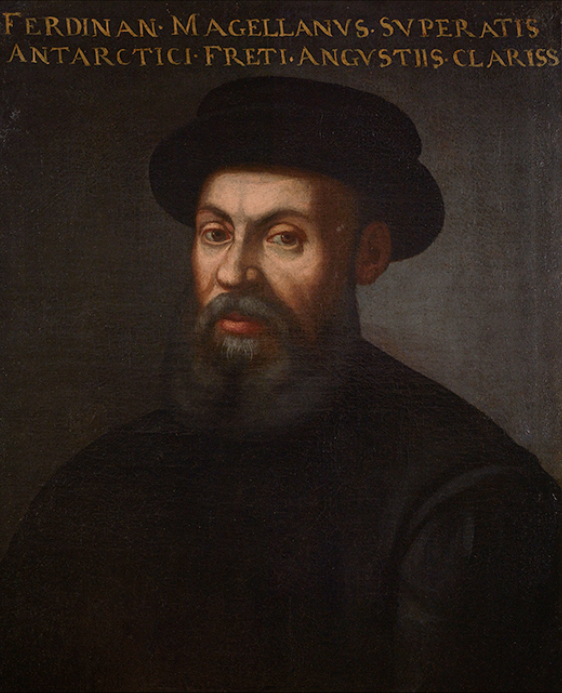
1520: Magellan Reaches the Pacific Ocean and Opens a New World Route. On 28 October 1520, Portuguese navigator Ferdinand Magellan successfully reached the Pacific Ocean after navigating through the Strait of Magellan at the southern tip of America. This expedition marked a significant moment in exploration history, proving the existence of an ocean connecting the Americas with Asia. Magellan, acting on behalf of the King of Spain, successfully traversed extremely difficult terrain and demonstrated that the Earth is round and can be circumnavigated. However, Magellan did not live to see its completion; he died in the Philippines in 1521, while his crew, led by Juan Sebastián Elcano, successfully completed the first circumnavigation of the Earth in 1522.. Navigation Through the Strait of Magellan and Introduction of the Pacific Ocean
On 28 October 1520, Ferdinand Magellan and his ships finally managed to exit the Strait of Magellan, a narrow passage located at the southern tip of the United States of America. After months of challenging expeditions, including very cold and dark days as well as the risk of getting lost in uncharted waters, the ships finally appeared in the middle of a vast and calm expanse of water. This was the first time it was classified as the Pacific Ocean. Magellan, who had led this expedition since 1519 under the patronage of the King of Spain, managed to identify the existence of an ocean connecting the Americas with Asia, thereby proving the concept of a round and fully navigable Earth.
Background and Context of the Age of Exploration
Magellan's expedition emerged in the context of competition among European powers — particularly Spain and Portugal — to find a faster and safer sea route to the Pacific and the East. Portugal had managed to reach parts of Africa and a small part of Asia through eastern routes, while Spain wanted to match or surpass these achievements. By abandoning his exploration permit from Portugal, Magellan switched sides to the King of Spain, who wanted to explore new routes to Indonesia and China. This expedition also aimed to test European navigation capabilities in larger oceans, as well as to expand the political and religious influence of Christianity in unknown regions.
Key Figures and Sacrifices
Ferdinand Magellan himself was the central figure in this successful expedition. Born in Portugal, he had previously served under the fleet in India and Japan before deciding to switch to the Spanish side. Magellan led approximately eight ships and more than 200 crew members. However, the success of reaching the Pacific Ocean did not come without sacrifice. Many members of the expedition perished, including some who were forced to commit suicide to avoid starvation. Magellan himself would not live to see the end of the expedition; he died in battle on the island of Mactan, Philippines in 1521. After his death, the captain of the Victoria, Juan Sebastián Elcano, took over and successfully completed the first circumnavigation of the Earth in 1522.
Impact and Lasting Historical Legacy
Magellan's success in reaching the Pacific Ocean paved the way for a broader global understanding of world geography. It also served as evidence of the concept of maritime routes connecting distant continents. This expedition provided important information about ocean currents, climate, and resources in remote parts of the world, and became a chain of triggers for further exploration of the Asia-Pacific region. The Pacific Ocean was later named for its vast and calm nature, unlike other more dangerous seas. To this day, the name "Magellan" remains associated with advances in navigation science, world maps, and the spirit of exploration that defies geographical and cultural boundaries.
Tags:
#Samudra Pasifik#sejarah#penjelajahan#magellan#samudra pasifik+3 lagi#Ferdinand Magellan#Selat Magellan#1520
Samudra Pasifik, sejarah, penjelajahan, magellan, samudra pasifik, Ferdinand Magellan, Selat Magellan, 1520