What is Dhab?
The dhab, scientifically known as
Uromastyx aegyptia, is a large species of lizard that inhabits the desert regions of the Middle East and North Africa. From a scientific classification perspective, it belongs to the family
Agamidae, but with distinct characteristics that set it apart from most common lizards. Reaching lengths of up to 76 centimeters, it is one of the most notable species of desert-dwelling lizards.
Physical Characteristics
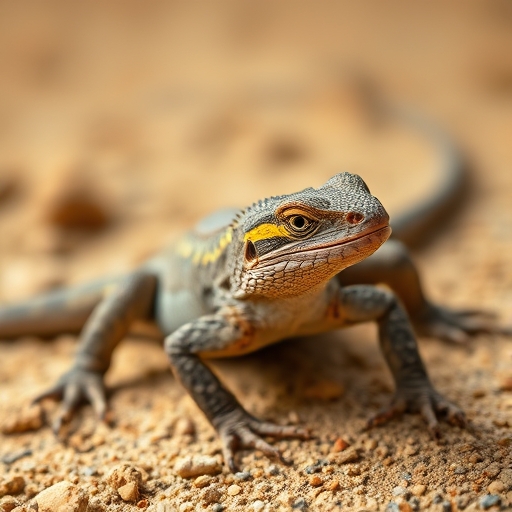
The most striking feature of the dhab is its slender body and spiny tail, which serves as an effective defense mechanism against predators. Its thick, scaly skin comes in a variety of colors, ranging from pale yellow to dark brown or gray, allowing it to blend seamlessly into its sandy and rocky surroundings. These colors also change with temperature; darker in cooler temperatures to absorb heat, and lighter in warmer temperatures to reflect it.
How Does Dhab Survive in the Desert?
The dhab's independence in the scorching desert is a testament to its extraordinary evolution and adaptability. One of its primary adaptations lies in its herbivorous diet. Dhab feed on various types of desert plants, flowers, and fruits that can grow in the arid environment. They rarely need direct access to water, as they obtain most of their moisture from the plants they eat.
Burrowing and Shelter
In addition to its diet, the dhab is a skilled burrower. They construct complex underground burrows that serve as a refuge from the extreme heat of the day and the biting cold of the night. The temperature within these burrows remains relatively stable compared to the surface, allowing the dhab to maintain an optimal body temperature. They often bask in the morning sun to warm up before foraging for food and return to their burrows when the temperature becomes too high.
Physiological Adaptations
The dhab's physiological adaptations also play a crucial role in its survival. It has a specialized salt gland in its nose that allows it to excrete excess salt from its body without losing too much water. This is particularly important, given its diet may contain high-sodium plants.
The Role of Dhab in the Desert Ecosystem
As a primary herbivore, the dhab plays a vital role in the desert ecosystem. By consuming plants, they help regulate vegetation growth and disperse seeds through their feces, contributing to the health of the desert flora. Their complex underground burrows also provide habitat and shelter for various other species, including insects, small rodents, and occasionally other reptiles. This makes the dhab a crucial 'architect' of the desert's micro-ecosystem.
Dhab as an Indicator of Desert Health
The presence of a healthy dhab population is an indicator of a stable desert environment with sufficient food sources. Monitoring dhab populations can provide insights into climate change and human activities that may impact the desert's balance.
Why is Dhab Fascinating to Humans?
Dhab not only captivates scientists and ecologists but also holds a place in the culture and traditions of some desert-dwelling communities. Its resilience and adaptability often serve as a source of inspiration. Some communities value dhab as a food source, while others see it as a symbol of endurance and independence in the desert. However, it is essential to remember that, despite its long coexistence with humans, any interaction with dhab must be done with awareness of the need for conservation and preservation of this species.
In summary, the dhab is an awe-inspiring creature, a marvel of evolution that has mastered the art of living in one of the most challenging environments on Earth. By understanding its adaptations and ecological role, we not only appreciate its uniqueness but also learn more about the resilience of life itself in the face of extreme challenges.
Dhab: The Secret to the Independence of the Desert Monitor. The desert monitor, or Uromastyx aegyptia, is one of the most fascinating inhabitants of the desert, and its ability to thrive in extreme conditions is a testament to its remarkable adaptability.. What is Dhab?
The dhab, scientifically known as Uromastyx aegyptia , is a large species of lizard that inhabits the desert regions of the Middle East and North Africa. From a scientific classification perspective, it belongs to the family Agamidae , but with distinct characteristics that set it apart from most common lizards. Reaching lengths of up to 76 centimeters, it is one of the most notable species of desert-dwelling lizards.
Physical Characteristics
The most striking feature of the dhab is its slender body and spiny tail, which serves as an effective defense mechanism against predators. Its thick, scaly skin comes in a variety of colors, ranging from pale yellow to dark brown or gray, allowing it to blend seamlessly into its sandy and rocky surroundings. These colors also change with temperature; darker in cooler temperatures to absorb heat, and lighter in warmer temperatures to reflect it.
How Does Dhab Survive in the Desert?
The dhab's independence in the scorching desert is a testament to its extraordinary evolution and adaptability. One of its primary adaptations lies in its herbivorous diet. Dhab feed on various types of desert plants, flowers, and fruits that can grow in the arid environment. They rarely need direct access to water, as they obtain most of their moisture from the plants they eat.
Burrowing and Shelter
In addition to its diet, the dhab is a skilled burrower. They construct complex underground burrows that serve as a refuge from the extreme heat of the day and the biting cold of the night. The temperature within these burrows remains relatively stable compared to the surface, allowing the dhab to maintain an optimal body temperature. They often bask in the morning sun to warm up before foraging for food and return to their burrows when the temperature becomes too high.
Physiological Adaptations
The dhab's physiological adaptations also play a crucial role in its survival. It has a specialized salt gland in its nose that allows it to excrete excess salt from its body without losing too much water. This is particularly important, given its diet may contain high-sodium plants.
The Role of Dhab in the Desert Ecosystem
As a primary herbivore, the dhab plays a vital role in the desert ecosystem. By consuming plants, they help regulate vegetation growth and disperse seeds through their feces, contributing to the health of the desert flora. Their complex underground burrows also provide habitat and shelter for various other species, including insects, small rodents, and occasionally other reptiles. This makes the dhab a crucial 'architect' of the desert's micro-ecosystem.
Dhab as an Indicator of Desert Health
The presence of a healthy dhab population is an indicator of a stable desert environment with sufficient food sources. Monitoring dhab populations can provide insights into climate change and human activities that may impact the desert's balance.
Why is Dhab Fascinating to Humans?
Dhab not only captivates scientists and ecologists but also holds a place in the culture and traditions of some desert-dwelling communities. Its resilience and adaptability often serve as a source of inspiration. Some communities value dhab as a food source, while others see it as a symbol of endurance and independence in the desert. However, it is essential to remember that, despite its long coexistence with humans, any interaction with dhab must be done with awareness of the need for conservation and preservation of this species.
In summary, the dhab is an awe-inspiring creature, a marvel of evolution that has mastered the art of living in one of the most challenging environments on Earth. By understanding its adaptations and ecological role, we not only appreciate its uniqueness but also learn more about the resilience of life itself in the face of extreme challenges.