Beware, Leg 'Dead' After a Fall? Don't Take It Lightly!
Have you ever seen someone walk as if their leg is stuck? The front of the foot doesn't lift, it just dangles like a puppet with broken strings. You might think they're just lazy to lift their leg, but there's actually a scientific explanation behind it. It's called
peroneal nerve paralysis (or its glamorous name,
common fibular nerve paralysis).
This nerve is like an electrical 'cable' that controls the muscles to lift the foot. If this cable breaks or is damaged, the front of the foot can't be lifted. Imagine trying to step on a car's accelerator pedal, but your foot can't reach. Troublesome, right?
But don't worry yet. This article will casually explain what peroneal nerve paralysis really is, what causes it, and what can be done if you get it. Promise, no confusing medical jargon.
Causes of Peroneal Nerve Paralysis: From Falls to Chronic Diseases
The peroneal nerve is incredibly sensitive. Most easily, if you sit cross-legged for too long, you might feel numbness, right? That's an early sign the nerve is being compressed. But if it leads to paralysis, the cause is more serious.
1. Accidents and Physical Injuries
This is the most common cause. Falls, car accidents, or a strong tackle in a football game — all these can cause knee dislocations or fractures. Studies say 30% of peroneal nerve paralysis cases begin with a knee injury. How? When the knee is dislocated, the nerve that passes through the outer part of the knee gets stretched or severely compressed, leading to damage.
2. Prolonged Pressure
Ever heard stories of people in a long coma whose legs became 'dead' when they woke up? This is because lying in the same position for a long time can compress the peroneal nerve at the head of the fibula (calf bone). Doctors call this 'nerve compression'. Although it sounds trivial, prolonged pressure can damage the nerve.
3. Systemic Diseases
Not all causes are external. Internal diseases like diabetes, kidney disease, or other metabolic disorders make nerves more susceptible to damage. In these cases, the nerves are like 'overly sensitive' and easily paralyzed even with minor pressure.
4. Tumors or Growths
There are also cases where a tumor or cyst grows near the peroneal nerve, pressing on it. This is rare, but when it happens, treatment must focus on the tumor first.
Why Is the Peroneal Nerve So Easily Damaged?
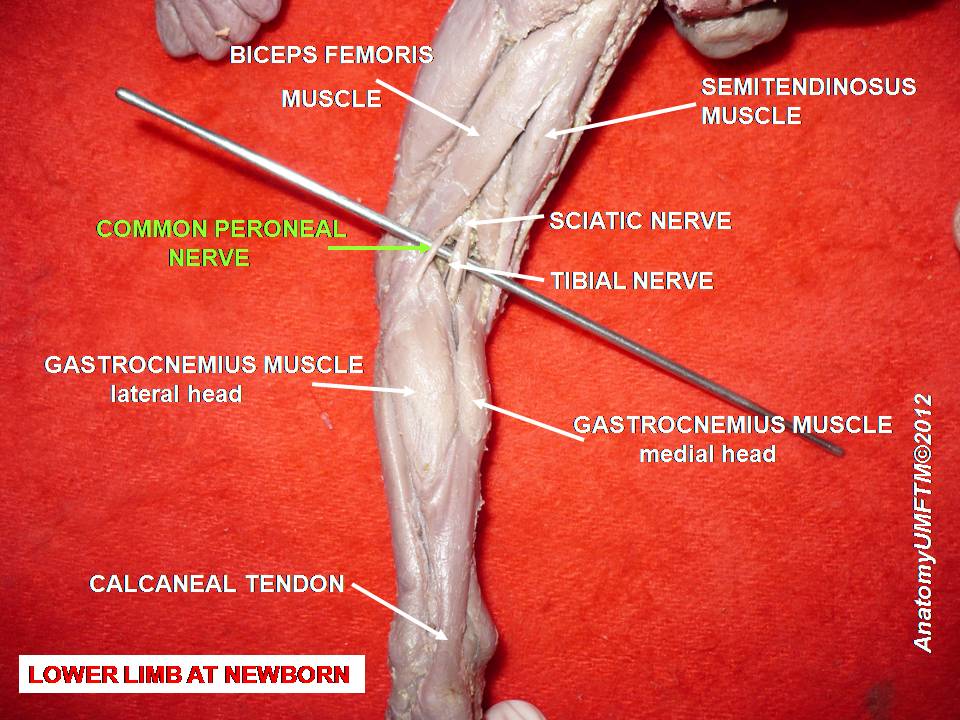
Okay, imagine this nerve as a long, straight electrical wire. But at the knee, this wire passes through a 'narrow passage' (at the head of the fibula) with not much room. So, when there's pressure or stretching, the wire breaks very easily.
Besides that, the peroneal nerve has a limited blood supply and lacks a thick protective layer like other nerves. It's like a cheap cable that quickly gets damaged when bent. So, when the knee moves, this nerve is easily stretched and injured.
Symptoms You Need to Know
If you experience these symptoms, see a doctor quickly:
- 'Foot drop': When walking, the front of the foot doesn't lift, so you have to lift your thigh high to avoid tripping. Like someone playing 'stepping stones'.
- Numbness or a 'pins and needles' sensation on the top of the foot and toes.
- Muscle weakness: Difficulty lifting the foot upwards (dorsiflexion) or turning the sole of the foot outwards (eversion).
- Pain (rare): Usually felt around the knee or calf.
Treatment: From Physiotherapy to Surgery
Good news:
Most cases of peroneal nerve paralysis can recover with proper treatment. But don't expect to be cured in a day. Nerves need time — sometimes months.
1. Non-Surgical Treatment (Conservative)
- Physiotherapy: Exercises to strengthen leg muscles and walking training with correct techniques. A physiotherapist will teach you how to 'get used to' a dropped foot.
- Assistive Devices: Like an ankle-foot orthosis (AFO) — a device worn on the ankle to support the foot and prevent it from dropping. It looks like 'braces' but is very helpful.
- Medication: Doctors might prescribe anti-inflammatory drugs or Vitamin B12 to help nerve recovery.
2. Surgical Treatment
If the nerve is completely severed, with no hope of recovery through regular treatment, doctors will consider surgery. There are two types:
- Neurolysis: Releasing a compressed nerve (like untying a knot on a wire).
- Nerve Grafting: Taking a nerve from another part of the body (like the leg or neck) and connecting it to the severed site. This is a complex procedure with a long recovery time.
Conclusion: Don't Let Your Leg Go 'Dead' Without Action
Peroneal nerve paralysis is not a permanent 'sentence'. With early diagnosis and the right treatment, many patients can walk normally again. But the key is —
don't wait. If your leg starts to drop or you feel persistent numbness, see a doctor quickly.
Remember, nerves are like grass — if it's a little dry, it can be watered. But if it's completely parched, it's hard to bring back to life. So, take action now!
---
Reference: Peroneal nerve paralysis — Wikipedia
Leg Suddenly Goes Limp After Injury? This Might Be the Cause!. Ever heard of the peroneal nerve? This nerve can become paralyzed, causing the leg to go limp like a puppet with cut strings. But don't worry, there are solutions! This article will unravel the mystery behind peroneal nerve paralysis, from causes to treatment, in a relaxed and easy-to-understand style.. Beware, Leg 'Dead' After a Fall? Don't Take It Lightly!
Have you ever seen someone walk as if their leg is stuck? The front of the foot doesn't lift, it just dangles like a puppet with broken strings. You might think they're just lazy to lift their leg, but there's actually a scientific explanation behind it. It's called peroneal nerve paralysis or its glamorous name, common fibular nerve paralysis .
This nerve is like an electrical 'cable' that controls the muscles to lift the foot. If this cable breaks or is damaged, the front of the foot can't be lifted. Imagine trying to step on a car's accelerator pedal, but your foot can't reach. Troublesome, right?
But don't worry yet. This article will casually explain what peroneal nerve paralysis really is, what causes it, and what can be done if you get it. Promise, no confusing medical jargon.
Causes of Peroneal Nerve Paralysis: From Falls to Chronic Diseases
The peroneal nerve is incredibly sensitive. Most easily, if you sit cross-legged for too long, you might feel numbness, right? That's an early sign the nerve is being compressed. But if it leads to paralysis, the cause is more serious.
1. Accidents and Physical Injuries
This is the most common cause. Falls, car accidents, or a strong tackle in a football game — all these can cause knee dislocations or fractures. Studies say 30% of peroneal nerve paralysis cases begin with a knee injury . How? When the knee is dislocated, the nerve that passes through the outer part of the knee gets stretched or severely compressed, leading to damage.
2. Prolonged Pressure
Ever heard stories of people in a long coma whose legs became 'dead' when they woke up? This is because lying in the same position for a long time can compress the peroneal nerve at the head of the fibula calf bone . Doctors call this 'nerve compression'. Although it sounds trivial, prolonged pressure can damage the nerve.
3. Systemic Diseases
Not all causes are external. Internal diseases like diabetes, kidney disease, or other metabolic disorders make nerves more susceptible to damage. In these cases, the nerves are like 'overly sensitive' and easily paralyzed even with minor pressure.
4. Tumors or Growths
There are also cases where a tumor or cyst grows near the peroneal nerve, pressing on it. This is rare, but when it happens, treatment must focus on the tumor first.
Why Is the Peroneal Nerve So Easily Damaged?
Okay, imagine this nerve as a long, straight electrical wire. But at the knee, this wire passes through a 'narrow passage' at the head of the fibula with not much room. So, when there's pressure or stretching, the wire breaks very easily.
Besides that, the peroneal nerve has a limited blood supply and lacks a thick protective layer like other nerves. It's like a cheap cable that quickly gets damaged when bent. So, when the knee moves, this nerve is easily stretched and injured.
Symptoms You Need to Know
If you experience these symptoms, see a doctor quickly:
'Foot drop' : When walking, the front of the foot doesn't lift, so you have to lift your thigh high to avoid tripping. Like someone playing 'stepping stones'.
Numbness or a 'pins and needles' sensation on the top of the foot and toes.
Muscle weakness : Difficulty lifting the foot upwards dorsiflexion or turning the sole of the foot outwards eversion .
Pain rare : Usually felt around the knee or calf.
Treatment: From Physiotherapy to Surgery
Good news: Most cases of peroneal nerve paralysis can recover with proper treatment. But don't expect to be cured in a day. Nerves need time — sometimes months.
1. Non-Surgical Treatment Conservative
Physiotherapy : Exercises to strengthen leg muscles and walking training with correct techniques. A physiotherapist will teach you how to 'get used to' a dropped foot.
Assistive Devices : Like an ankle-foot orthosis AFO — a device worn on the ankle to support the foot and prevent it from dropping. It looks like 'braces' but is very helpful.
Medication : Doctors might prescribe anti-inflammatory drugs or Vitamin B12 to help nerve recovery.
2. Surgical Treatment
If the nerve is completely severed, with no hope of recovery through regular treatment, doctors will consider surgery. There are two types:
Neurolysis : Releasing a compressed nerve like untying a knot on a wire .
Nerve Grafting : Taking a nerve from another part of the body like the leg or neck and connecting it to the severed site. This is a complex procedure with a long recovery time.
Conclusion: Don't Let Your Leg Go 'Dead' Without Action
Peroneal nerve paralysis is not a permanent 'sentence'. With early diagnosis and the right treatment, many patients can walk normally again. But the key is — don't wait . If your leg starts to drop or you feel persistent numbness, see a doctor quickly.
Remember, nerves are like grass — if it's a little dry, it can be watered. But if it's completely parched, it's hard to bring back to life. So, take action now!
---
Reference: Peroneal nerve paralysis — Wikipedia https://en.wikipedia.org/wiki/Peroneal nerve paralysis