The First Act: Morning Fog on the Mountain Peak
At an altitude of 4,000 meters, thick fog envelops the stone path. A small but strong Tibetan pony steps carefully onto the iron chain bridge, its metal links creaking. Behind it, a man in a sheepskin coat and a fur hat - a muleteer or horse guide - taps a wooden staff on the ground. Each step is a prayer. On the back of the horse, not gold or silk is carried, but a bundle of tea wrapped in banana leaves and tied with rattan. This is no ordinary tea. It's the tea that will change the course of Asian history.
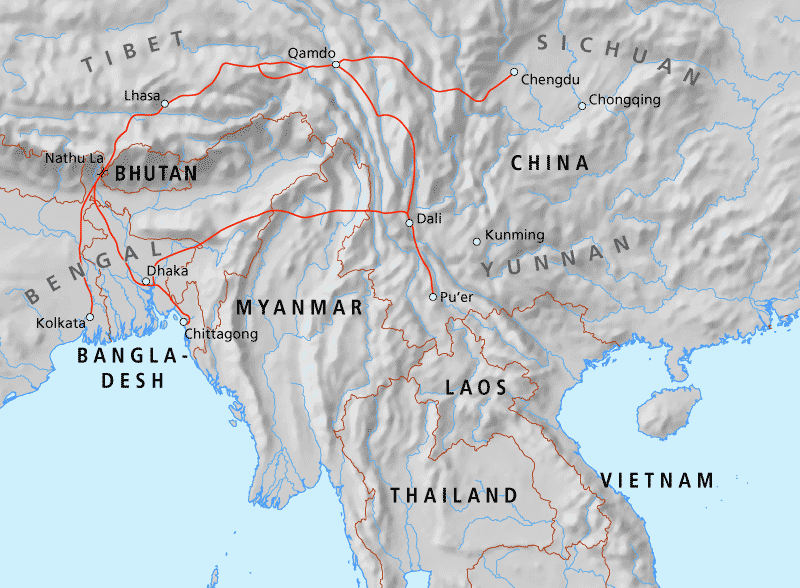
The Tea-Horse Road, or Chamagudao in Chinese, is not a straight road. It's a network of labyrinthine caravan routes that traverse the Sichuan, Yunnan, and Tibetan mountains. For over a thousand years - from the Tang Dynasty to the Republic of China - this road became the hub of trade between the Chinese Empire and the highlands of Tibet. But it's more than just trade; it's a bridge between two worlds: the tea-drinking civilization and the nomadic horse-riding culture.
Sweat, Blood, and Tea: Why Horses Were More Valuable than Gold
In the 7th century, the Tang Dynasty faced a major problem. To the north and west, nomadic tribes like the Tibetans and Uighurs had powerful war horses - the most valuable military asset at the time. Meanwhile, the Tibetans had discovered the value of tea: not as a luxury drink, but as a vital necessity. Tea helped them digest fatty foods like dried meat and yak butter, and provided essential vitamins in areas where vegetables were scarce. So, an unwritten agreement was born: Tibetan horses were exchanged for Chinese tea.
But this journey was not for the faint of heart. From tea towns like Pu'er in Yunnan or Ya'an in Sichuan, caravans would embark on a journey that lasted weeks, sometimes months. They climbed paths narrow enough for only one horse, crossed rickety rope bridges, and slept in stone shelters. Along the way, thousands of horse guides and their animals died from landslides, snowstorms, or exhaustion. Yet, they kept moving. For at the end of the road, one Tibetan horse could be exchanged for 120 kilograms of tea - a wealth that could sustain a family for a year.
Cities Built by Tea: From Lijiang to Lhasa
One of the gems of the Tea-Horse Road is the city of Lijiang in Yunnan. In the 13th century, Lijiang was not just a town; it was a cultural and commercial hub. In its markets, you could hear Naxi, Tibetan, Han, and even a few words of Persian. Merchants from the Himalayas brought not only horses but also wool, gold, and stories. They built wooden houses with courtyards, Tibetan Buddhist temples adorned with mandala paintings, and stone gates inscribed with sutras.
From Lijiang, the road continued north through Deqin - a town famous for its sacred Kawagebo Mountain. Then, caravans crossed the Jinsha River (Golden River) and entered Tibet. In Lhasa, the spiritual capital of Tibet, tea houses became gathering places for monks, merchants, and nobles. They sipped salted tea - po cha - while discussing politics, religion, and horse prices. The tea brought from Yunnan had become the lifeblood of Tibet.
A Forgotten Legacy, Now Revived
In the 20th century, with the advent of modern roads and trains, the Tea-Horse Road was gradually abandoned. Horse caravans were no longer needed. Many bridges and rest stops crumbled into the forest. However, over the past two decades, awareness of its historical value has begun to rise. UNESCO has listed parts of the road as a World Heritage Site. Archaeologists have rediscovered the old tracks: stone inscriptions, Ming Dynasty pottery, and horse bones embedded in the cliffs.
Today, travelers from around the world come to hike the same trails. They rent Tibetan ponies and walk through bamboo forests, visit still-smoking temples, and listen to the sad songs of horse guides sung in Naxi. "This road is not dead," said a local guide, pointing to the snow-capped peak. "It's just sleeping. And when you walk here, you wake it up again."
The Tea-Horse Road: A Secret Route Connecting China and Tibet for 1,000 Years. Long before the Silk Road, there was another, more treacherous, and mysterious trading network - the Tea-Horse Road. Spanning the Himalayas and the deepest gorges in the world, merchants brought tea from Yunnan to Tibet and returned with war horses. Today, their footprints remain in rituals, temples, and legends. Discover the story behind this almost-forgotten route.. The First Act: Morning Fog on the Mountain Peak
At an altitude of 4,000 meters, thick fog envelops the stone path. A small but strong Tibetan pony steps carefully onto the iron chain bridge, its metal links creaking. Behind it, a man in a sheepskin coat and a fur hat - a muleteer or horse guide - taps a wooden staff on the ground. Each step is a prayer. On the back of the horse, not gold or silk is carried, but a bundle of tea wrapped in banana leaves and tied with rattan. This is no ordinary tea. It's the tea that will change the course of Asian history.
The Tea-Horse Road, or Chamagudao in Chinese, is not a straight road. It's a network of labyrinthine caravan routes that traverse the Sichuan, Yunnan, and Tibetan mountains. For over a thousand years - from the Tang Dynasty to the Republic of China - this road became the hub of trade between the Chinese Empire and the highlands of Tibet. But it's more than just trade; it's a bridge between two worlds: the tea-drinking civilization and the nomadic horse-riding culture.
Sweat, Blood, and Tea: Why Horses Were More Valuable than Gold
In the 7th century, the Tang Dynasty faced a major problem. To the north and west, nomadic tribes like the Tibetans and Uighurs had powerful war horses - the most valuable military asset at the time. Meanwhile, the Tibetans had discovered the value of tea: not as a luxury drink, but as a vital necessity. Tea helped them digest fatty foods like dried meat and yak butter, and provided essential vitamins in areas where vegetables were scarce. So, an unwritten agreement was born: Tibetan horses were exchanged for Chinese tea.
But this journey was not for the faint of heart. From tea towns like Pu'er in Yunnan or Ya'an in Sichuan, caravans would embark on a journey that lasted weeks, sometimes months. They climbed paths narrow enough for only one horse, crossed rickety rope bridges, and slept in stone shelters. Along the way, thousands of horse guides and their animals died from landslides, snowstorms, or exhaustion. Yet, they kept moving. For at the end of the road, one Tibetan horse could be exchanged for 120 kilograms of tea - a wealth that could sustain a family for a year.
Cities Built by Tea: From Lijiang to Lhasa
One of the gems of the Tea-Horse Road is the city of Lijiang in Yunnan. In the 13th century, Lijiang was not just a town; it was a cultural and commercial hub. In its markets, you could hear Naxi, Tibetan, Han, and even a few words of Persian. Merchants from the Himalayas brought not only horses but also wool, gold, and stories. They built wooden houses with courtyards, Tibetan Buddhist temples adorned with mandala paintings, and stone gates inscribed with sutras.
From Lijiang, the road continued north through Deqin - a town famous for its sacred Kawagebo Mountain. Then, caravans crossed the Jinsha River Golden River and entered Tibet. In Lhasa, the spiritual capital of Tibet, tea houses became gathering places for monks, merchants, and nobles. They sipped salted tea - po cha - while discussing politics, religion, and horse prices. The tea brought from Yunnan had become the lifeblood of Tibet.
A Forgotten Legacy, Now Revived
In the 20th century, with the advent of modern roads and trains, the Tea-Horse Road was gradually abandoned. Horse caravans were no longer needed. Many bridges and rest stops crumbled into the forest. However, over the past two decades, awareness of its historical value has begun to rise. UNESCO has listed parts of the road as a World Heritage Site. Archaeologists have rediscovered the old tracks: stone inscriptions, Ming Dynasty pottery, and horse bones embedded in the cliffs.
Today, travelers from around the world come to hike the same trails. They rent Tibetan ponies and walk through bamboo forests, visit still-smoking temples, and listen to the sad songs of horse guides sung in Naxi. "This road is not dead," said a local guide, pointing to the snow-capped peak. "It's just sleeping. And when you walk here, you wake it up again."