AI
What Does a Sudden Cerebrospinal Fluid Accumulation in the Brain Indicate?. Subdural hygroma may sound unfamiliar, but it is a collection of cerebrospinal fluid that accumulates under the brain's protective layer without any blood. It often occurs in the elderly after a minor head injury, but can also affect children. Without proper treatment, symptoms like headaches and confusion can disrupt daily life. This article will delve into the causes, symptoms, and treatment of subdural hygroma in an easy-to-understand manner.. What is Subdural Hygroma?
Have you heard of subdural hygroma? Many may be unfamiliar with this term, but it's closer to us than we think. Imagine our brain being protected by a layer called dura. When cerebrospinal fluid CSF accumulates under this layer without any blood, it's called subdural hygroma. It's not a tumor or growth, but rather a collection of water in the wrong place. Although it may sound harmless, it can cause various symptoms that disrupt daily life.
Why Does it Happen?
Subdural hygroma is most commonly associated with minor head injuries, especially in the elderly. As we age, our brain slightly shrinks, a phenomenon known as cerebral atrophy. The created space between the brain and skull makes it easier for CSF to accumulate. Additionally, the installation of a ventricular shunt – a tube used to drain excess CSF from the brain – can cause sudden pressure drops. As a result, CSF seeps into the subdural space. Imagine a leaky pipe, right? In children, infection or trauma can be the trigger.
Signs and Symptoms to Watch Out For
Don't think subdural hygroma is silent without a sound. It can manifest with various symptoms that are sometimes misdiagnosed as other illnesses. Commonly reported symptoms include mild fever, persistent headaches, excessive drowsiness, and confusion – especially in the elderly. Imagine our elderly parents suddenly becoming forgetful or easily irritable, it might be an early sign. In babies, the fontanel soft spot may appear prominent or tense. What's essential is that if these symptoms appear after a fall or minor accident, seek medical advice immediately.
Who's Most at Risk?
If you think subdural hygroma only affects a specific group, you're wrong! It can occur in anyone, but certain groups are more susceptible. The elderly top the list due to natural brain atrophy. Patients who have recently undergone brain surgery or shunt installation also need to be cautious. Children – especially active and frequent fallers – are not exempt. Even individuals with a history of alcoholism or blood clotting disorders are more prone to it. So, if you have a family member in this category, keep a closer eye on their changes.
How is it Diagnosed and Treated?
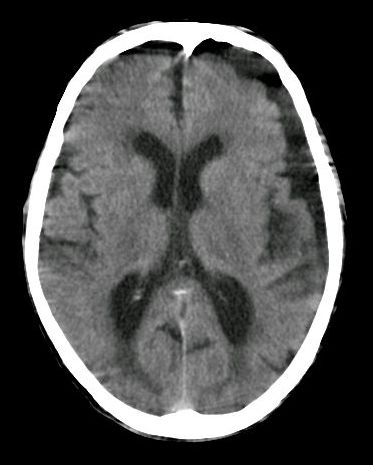
The good news is that subdural hygroma can be easily detected through CT or MRI scans. Doctors will look for the presence of fluid under the dura without signs of bleeding. If symptoms are mild, treatment may only require close monitoring – the body can absorb the fluid on its own. However, if symptoms worsen, such as severe headaches or confusion, doctors may perform a drainage procedure – draining the fluid through a small hole in the skull. The procedure is quick, and patients usually recover fully. However, like any treatment, there's still a risk of infection or fluid reaccumulation.
Is it Dangerous?
Generally, subdural hygroma is not life-threatening if detected early. The fluid itself is not toxic, and most of it can be absorbed by the body. However, if left untreated, it can cause pressure on the brain, leading to complications like seizures or permanent nerve damage. The key is awareness – don't ignore mild, persistent symptoms. Remember, the brain is the control center of our body, so anything happening to it needs to be taken seriously.
Conclusion
Subdural hygroma may sound like a complex medical term, but in reality, it's just a collection of water in the wrong place. By understanding its causes – whether minor trauma, aging, or treatment complications – we can be more aware of changes in ourselves and loved ones. Don't be afraid to ask your doctor if you have any doubts. After all, prevention is better than treatment. And remember, a healthy brain is the key to a happy and meaningful life.