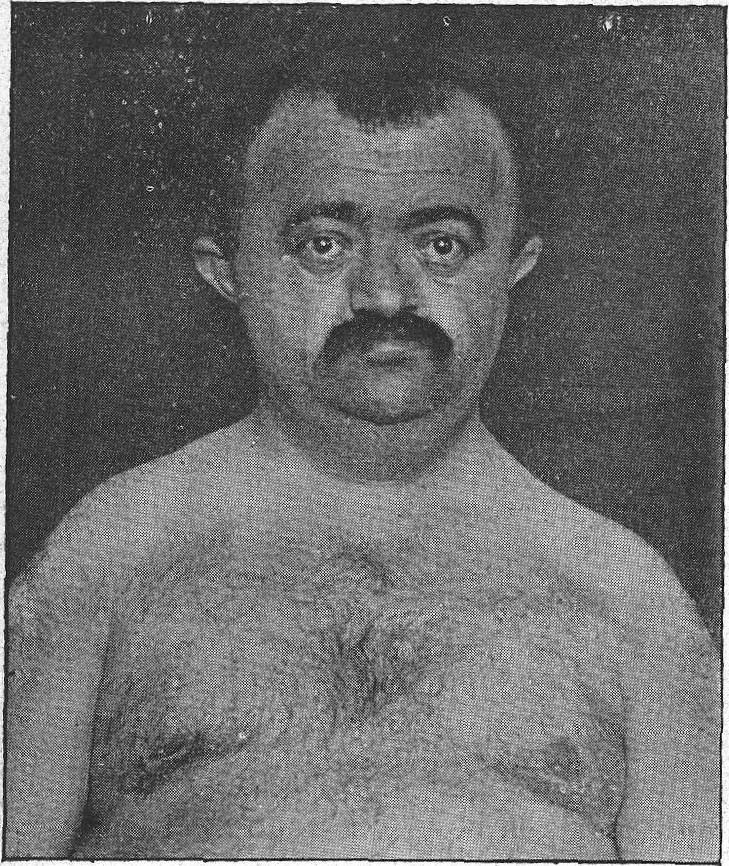
1. Absent Collarbones — Shoulders Can 'Clap'
Imagine being able to bring both your shoulders together in front of your chest, like you're about to clap. This is the extraordinary ability of individuals with cleidocranial dysostosis. The absence or incomplete development of the collarbones makes the shoulder joints extremely flexible. For some patients, the space between their left and right shoulder can become zero – a sight that is certainly surprising to anyone seeing it for the first time. This condition, while appearing unusual, does not cause pain or loss of hand function. Doctors often confirm the diagnosis by simply asking patients to touch their shoulders together in front – if it can be done without pain, CCD is likely.
2. Baby's Soft Spot Never Closes — A Hole in the Head into Adulthood
Normally, a baby's fontanelle, or soft spot, closes within the first 12 to 18 months of life. However, for CCD patients, the anterior fontanelle often remains open into adulthood. This means there is a soft area on the top of the head that can be felt. As a result, they are advised to wear protective headgear during sports or strenuous activities. Skull X-rays show abnormal cranial structures with wide and delayed sutures. This opening may eventually close on its own, but the process takes years. Sometimes, the fontanelle remains open for life – another rarity in the medical world.
3. 'Layered' Teeth — Mixed Up Baby and Permanent Teeth
One of the most striking features of CCD is dental problems. Baby teeth often do not fall out as usual, while permanent teeth erupt behind or above the baby teeth. Consequently, patients' mouths appear 'crowded' with teeth – some compare it to 'shark teeth'. Permanent teeth may fail to erupt at all (impaction), or erupt late and irregularly. Complex dental treatment is required: extraction of baby teeth, surgical removal of wisdom teeth, and sometimes dental implants. However, with proper care, their smiles can be improved. This is not just an aesthetic issue – crowded teeth can cause pain, infection, and difficulty chewing.
4. Shorter Than Average Height — But Not Typically 'Dwarfism'
Most individuals with CCD are shorter than average, but they are not classified as 'dwarf' in the usual medical sense. Their long bones (femur, humerus) may be slightly shorter, and their spine can curve (scoliosis). Despite this, their body proportions remain normal. Studies show the average height for adult males with CCD is around 155–165 cm, while for females it is around 145–155 cm. This does not affect their ability to lead active lives, but they need to be cautious with activities that put stress on their bones.
5. Normal Intelligence — Live Ordinary Lives Like Anyone Else
One of the biggest myths about CCD is that it affects the brain. In reality, the cognitive function of CCD patients is completely normal. They can attend school, work, get married, and have children. Many become professionals in various fields. However, their unique physical appearance – a prominent forehead, a flat nose, and a small jaw – can lead to feelings of low self-esteem. A study in the UK found that many CCD patients experience social anxiety due to their facial appearance. Therefore, psychological support and counseling are crucial. With acceptance and proper treatment, they can lead happy and productive lives.
6. Specific Genetic Cause — Inheritable RUNX2 Gene Mutation
CCD is not just a random defect. It is caused by a mutation in the RUNX2 gene, which is responsible for directing bone and tooth formation. This gene is located on chromosome 6. The condition is inherited in an autosomal dominant pattern – if one parent has CCD, their child has a 50% chance of inheriting it. However, about one-third of cases are new (de novo) mutations, without a family history. Diagnosis can be confirmed through genetic testing. While there is no cure to reverse the mutation, proper management can address most symptoms. Genetic counseling is important for family planning.
In conclusion, cleidocranial dysostosis is a rare and unique condition, but not a disability that prevents a person from living fully. With appropriate medical, dental, and psychological support, patients can overcome physical and social challenges and enjoy long and meaningful lives.
---
Reference: Cleidocranial dysostosis — Wikipedia
Born Without Collarbones, Able to Touch Shoulders — The World's Rarest Condition. Cleidocranial dysostosis is a rare genetic condition that causes underdeveloped or absent collarbones. Patients can bring their shoulders together in front of their chest, as if to clap. Additionally, the front of the skull may not close completely into adulthood, and permanent teeth often fail to erupt. Despite their unusual physical characteristics, their intelligence is normal, and their life expectancy is the same as others. Here are 5 surprising facts about this condition.. 1. Absent Collarbones — Shoulders Can 'Clap'
Imagine being able to bring both your shoulders together in front of your chest, like you're about to clap. This is the extraordinary ability of individuals with cleidocranial dysostosis. The absence or incomplete development of the collarbones makes the shoulder joints extremely flexible. For some patients, the space between their left and right shoulder can become zero – a sight that is certainly surprising to anyone seeing it for the first time. This condition, while appearing unusual, does not cause pain or loss of hand function. Doctors often confirm the diagnosis by simply asking patients to touch their shoulders together in front – if it can be done without pain, CCD is likely.
2. Baby's Soft Spot Never Closes — A Hole in the Head into Adulthood
Normally, a baby's fontanelle, or soft spot, closes within the first 12 to 18 months of life. However, for CCD patients, the anterior fontanelle often remains open into adulthood. This means there is a soft area on the top of the head that can be felt. As a result, they are advised to wear protective headgear during sports or strenuous activities. Skull X-rays show abnormal cranial structures with wide and delayed sutures. This opening may eventually close on its own, but the process takes years. Sometimes, the fontanelle remains open for life – another rarity in the medical world.
3. 'Layered' Teeth — Mixed Up Baby and Permanent Teeth
One of the most striking features of CCD is dental problems. Baby teeth often do not fall out as usual, while permanent teeth erupt behind or above the baby teeth. Consequently, patients' mouths appear 'crowded' with teeth – some compare it to 'shark teeth'. Permanent teeth may fail to erupt at all impaction , or erupt late and irregularly. Complex dental treatment is required: extraction of baby teeth, surgical removal of wisdom teeth, and sometimes dental implants. However, with proper care, their smiles can be improved. This is not just an aesthetic issue – crowded teeth can cause pain, infection, and difficulty chewing.
4. Shorter Than Average Height — But Not Typically 'Dwarfism'
Most individuals with CCD are shorter than average, but they are not classified as 'dwarf' in the usual medical sense. Their long bones femur, humerus may be slightly shorter, and their spine can curve scoliosis . Despite this, their body proportions remain normal. Studies show the average height for adult males with CCD is around 155–165 cm, while for females it is around 145–155 cm. This does not affect their ability to lead active lives, but they need to be cautious with activities that put stress on their bones.
5. Normal Intelligence — Live Ordinary Lives Like Anyone Else
One of the biggest myths about CCD is that it affects the brain. In reality, the cognitive function of CCD patients is completely normal. They can attend school, work, get married, and have children. Many become professionals in various fields. However, their unique physical appearance – a prominent forehead, a flat nose, and a small jaw – can lead to feelings of low self-esteem. A study in the UK found that many CCD patients experience social anxiety due to their facial appearance. Therefore, psychological support and counseling are crucial. With acceptance and proper treatment, they can lead happy and productive lives.
6. Specific Genetic Cause — Inheritable RUNX2 Gene Mutation
CCD is not just a random defect. It is caused by a mutation in the RUNX2 gene, which is responsible for directing bone and tooth formation. This gene is located on chromosome 6. The condition is inherited in an autosomal dominant pattern – if one parent has CCD, their child has a 50% chance of inheriting it. However, about one-third of cases are new de novo mutations, without a family history. Diagnosis can be confirmed through genetic testing. While there is no cure to reverse the mutation, proper management can address most symptoms. Genetic counseling is important for family planning.
In conclusion, cleidocranial dysostosis is a rare and unique condition, but not a disability that prevents a person from living fully. With appropriate medical, dental, and psychological support, patients can overcome physical and social challenges and enjoy long and meaningful lives.
---
Reference: Cleidocranial dysostosis — Wikipedia https://en.wikipedia.org/wiki/Cleidocranial dysostosis