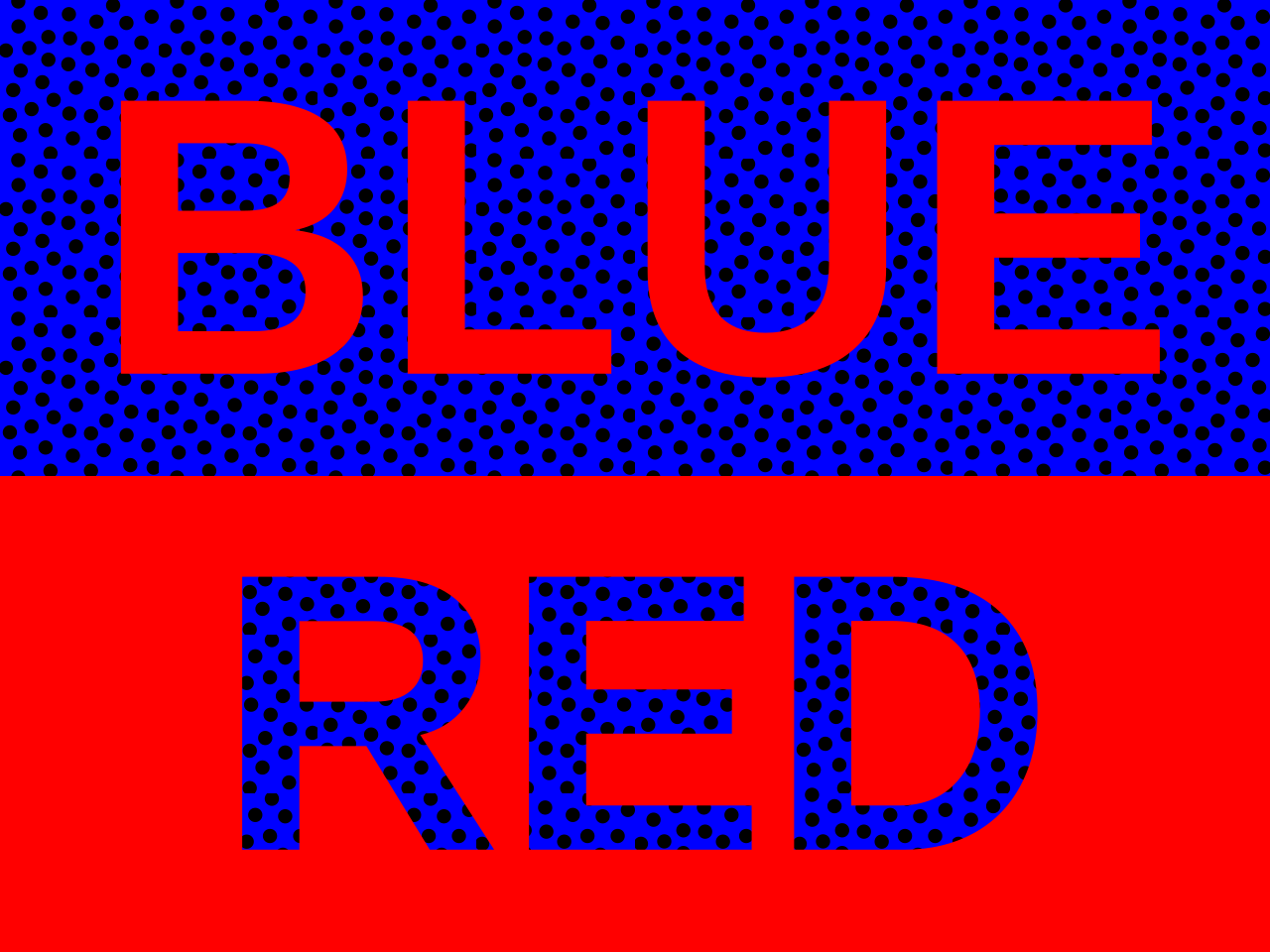
Bayangkan dunia di mana warna bukan sekadar hiasan, tetapi kunci untuk membuka dimensi ketiga. Pada akhir abad ke-19, ketika fotografi berwarna masih dalam peringkat awal, para penyelidik mula menyedari sesuatu yang aneh: apabila mata memandang corak merah dan biru, otak seolah-olah mencipta ilusi kedalaman. Fenomena ini, yang kemudian dikenali sebagai chromostereopsis, bukan sahaja mengejutkan dunia sains tetapi juga menjadi asas kepada pelbagai teknologi dan seni visual.
Asal-Usul Penemuan: Abad Ke-19 dan Keingintahuan Optik
Sejarah chromostereopsis bermula pada tahun 1883, ketika ahli fisiologi Jerman, Ewald Hering, mula mendokumentasikan kesan ini. Dalam eksperimennya, Hering menggunakan jalur merah dan biru pada latar belakang kelabu. Beliau mendapati bahawa peserta kajian sering melihat jalur merah seolah-olah berada di hadapan jalur biru, mewujudkan ilusi tiga dimensi yang nyata. Penemuan ini diterbitkan dalam jurnal optik pada zaman itu dan mencetuskan perdebatan sengit di kalangan saintis: adakah ini disebabkan oleh kelemahan mata atau keistimewaan sistem penglihatan manusia?
Mekanisme di Sebalik Ilusi: Perbezaan Warna dan Pembiasan Cahaya
Untuk memahami chromostereopsis, kita perlu menelusuri bagaimana mata manusia memproses cahaya. Kornea dan kanta mata bertindak seperti prisma yang membiaskan cahaya—cahaya dengan panjang gelombang berbeza (iaitu warna berbeza) dibiaskan pada sudut yang sedikit berbeza. Ini dipanggil aberasi kromatik. Apabila cahaya merah dan biru memasuki mata, mereka mencapai retina pada titik yang berbeza, menyebabkan satu warna kelihatan lebih dekat atau lebih jauh daripada yang lain.
Pada tahun 1910-an, ahli fisiologi Inggeris, John William, mengembangkan model pertama untuk menjelaskan fenomena ini. Beliau mencadangkan bahawa dua jenis aberasi kromatik terlibat: (1) aberasi kromatik membujur (LCA), di mana cahaya biru difokuskan di hadapan retina manakala cahaya merah di belakang; dan (2) aberasi kromatik melintang (TCA), di mana perbezaan posisi imej pada kedua-dua mata mencipta perbezaan stereo. Walau bagaimanapun, sehingga tahun 1990-an, para saintis masih berdebat tentang mekanisme tepat yang mendominasi kesan ini.
Era Moden: Eksperimen dan Kontroversi Saintifik
Pada tahun 1950-an, ahli psikologi Amerika, Dr. Richard Gregory, menghidupkan semula minat terhadap chromostereopsis melalui siri ujian terkawal. Beliau mendapati bahawa ilusi ini paling kuat apabila warna merah dan biru digunakan secara bersebelahan dalam jalur sempit, dan hampir tidak kelihatan dengan warna yang lebih redup seperti merah-kelabu atau biru-kelabu. Gregory juga mencatatkan bahawa individu yang memiliki buta warna terhadap merah-hijau masih boleh mengalami chromostereopsis, menunjukkan bahawa mekanisme ini tidak bergantung sepenuhnya pada penglihatan warna normal.
Satu penemuan penting pada tahun 1994 oleh pasukan penyelidik di University of Cambridge mendedahkan bahawa chromostereopsis boleh diubah dengan mengubah jarak tontonan dan pencahayaan. Apabila subjek melihat imej dari jarak jauh, ilusi kedalaman menjadi lebih ketara, seolah-olah warna biru melayang ke latar belakang. Ini menyokong teori bahawa TCA—berpunca daripada perbezaan posisi imej pada retina kedua-dua mata—adalah faktor dominan.
Warisan dalam Seni dan Teknologi: Dari Kanvas ke Skrin Digital
Pengaruh chromostereopsis tidak terhad kepada makmal. Pada tahun 1890-an, pelukis Impresionis seperti Claude Monet dan Vincent van Gogh secara tidak sengaja mengeksploitasi ilusi ini dalam karya mereka. Monet, dalam siri "Water Lilies" (1920-an), menggunakan jalur merah dan biru untuk mencipta kedalaman pada permukaan air, memberikan pengalaman visual yang menghampiri 3D jauh sebelum era digital.
Pada abad ke-20, chromostereopsis menjadi asas kepada teknik stereoskopik awal. Filem 3D pertama pada tahun 1915 menggunakan cermin mata merah-biru untuk mencipta ilusi kedalaman. Malah, teknologi ini masih digunakan dalam bidang perubatan, seperti dalam imej MRI dan CT scan, untuk membantu doktor menilai kedalaman lesi atau tumor. Dalam dunia digital, pereka grafik menggunakan prinsip ini untuk mencipta reka bentuk yang lebih dinamik, sementara pembangun permainan video mengintegrasikannya ke dalam kesan visual.
Masa Depan Chromostereopsis: Antara Fiksyen dan Realiti
Pada tahun 2020-an, penyelidikan baru oleh makmal neurosains di Jepun menunjukkan bahawa chromostereopsis boleh dimanipulasi untuk meningkatkan persepsi kedalaman pada skrin sentuh dan peranti realiti maya. Pasukan di Tokyo University berjaya mencipta prototaip antara muka yang menggunakan ilusi ini untuk memberikan maklum balas visual tanpa memerlukan cermin mata khas. Ini membuka potensi dalam bidang pendidikan, simulasi, dan hiburan.
Walau bagaimanapun, masih terdapat misteri yang belum terungkai. Beberapa individu tidak mengalami chromostereopsis sama sekali, manakala yang lain melihat ilusi songsang (negatif) di mana biru kelihatan di hadapan merah. Para saintis percaya ini mungkin berkaitan dengan variasi dalam struktur kornea atau cara otak memproses isyarat stereo. Kajian genetik pada tahun 2023 mendedahkan bahawa gen tertentu yang mengawal pigmen retina boleh mempengaruhi kepekaan terhadap ilusi ini.
Kesimpulan: Warna sebagai Jendela ke Dimensi Lain
Dari penemuan tidak sengaja oleh Hering hingga aplikasi canggih dalam realiti maya, chromostereopsis adalah bukti bahawa alam semula jadi menyembunyikan rahsia yang menakjubkan dalam perkara yang paling mudah—warna. Ia mengingatkan kita bahawa persepsi manusia tidak sempurna, tetapi ketidaksempurnaan itulah yang membuka pintu kepada kreativiti dan inovasi. Sama ada dalam karya seni atau skrin telefon bimbit anda, ilusi ini terus menipu dan memukau, menjadikan dunia dua dimensi terasa hidup dan dalam.
---
Rujukan: Chromostereopsis — Wikipedia
Ilusi 3D Kuno: Bagaimana Warna Merah dan Biru Menipu Otak Manusia Selama Berabad-Abad. Pernahkah anda melihat imej merah-biru yang seolah-olah melompat keluar dari skrin? Fenomena itu dikenali sebagai chromostereopsis, ilusi optik yang menipu otak kita untuk melihat kedalaman pada gambar dua dimensi. Selama lebih 100 tahun, saintis dan seniman telah menggunakan warna-warna ini untuk mencipta persepsi 3D yang menakjubkan. Artikel ini membongkar sejarah, mekanisme, dan warisan ilusi visual yang luar biasa ini.. Bayangkan dunia di mana warna bukan sekadar hiasan, tetapi kunci untuk membuka dimensi ketiga. Pada akhir abad ke-19, ketika fotografi berwarna masih dalam peringkat awal, para penyelidik mula menyedari sesuatu yang aneh: apabila mata memandang corak merah dan biru, otak seolah-olah mencipta ilusi kedalaman. Fenomena ini, yang kemudian dikenali sebagai chromostereopsis, bukan sahaja mengejutkan dunia sains tetapi juga menjadi asas kepada pelbagai teknologi dan seni visual.
Asal-Usul Penemuan: Abad Ke-19 dan Keingintahuan Optik
Sejarah chromostereopsis bermula pada tahun 1883, ketika ahli fisiologi Jerman, Ewald Hering, mula mendokumentasikan kesan ini. Dalam eksperimennya, Hering menggunakan jalur merah dan biru pada latar belakang kelabu. Beliau mendapati bahawa peserta kajian sering melihat jalur merah seolah-olah berada di hadapan jalur biru, mewujudkan ilusi tiga dimensi yang nyata. Penemuan ini diterbitkan dalam jurnal optik pada zaman itu dan mencetuskan perdebatan sengit di kalangan saintis: adakah ini disebabkan oleh kelemahan mata atau keistimewaan sistem penglihatan manusia?
Mekanisme di Sebalik Ilusi: Perbezaan Warna dan Pembiasan Cahaya
Untuk memahami chromostereopsis, kita perlu menelusuri bagaimana mata manusia memproses cahaya. Kornea dan kanta mata bertindak seperti prisma yang membiaskan cahaya—cahaya dengan panjang gelombang berbeza iaitu warna berbeza dibiaskan pada sudut yang sedikit berbeza. Ini dipanggil aberasi kromatik. Apabila cahaya merah dan biru memasuki mata, mereka mencapai retina pada titik yang berbeza, menyebabkan satu warna kelihatan lebih dekat atau lebih jauh daripada yang lain.
Pada tahun 1910-an, ahli fisiologi Inggeris, John William, mengembangkan model pertama untuk menjelaskan fenomena ini. Beliau mencadangkan bahawa dua jenis aberasi kromatik terlibat: 1 aberasi kromatik membujur LCA , di mana cahaya biru difokuskan di hadapan retina manakala cahaya merah di belakang; dan 2 aberasi kromatik melintang TCA , di mana perbezaan posisi imej pada kedua-dua mata mencipta perbezaan stereo. Walau bagaimanapun, sehingga tahun 1990-an, para saintis masih berdebat tentang mekanisme tepat yang mendominasi kesan ini.
Era Moden: Eksperimen dan Kontroversi Saintifik
Pada tahun 1950-an, ahli psikologi Amerika, Dr. Richard Gregory, menghidupkan semula minat terhadap chromostereopsis melalui siri ujian terkawal. Beliau mendapati bahawa ilusi ini paling kuat apabila warna merah dan biru digunakan secara bersebelahan dalam jalur sempit, dan hampir tidak kelihatan dengan warna yang lebih redup seperti merah-kelabu atau biru-kelabu. Gregory juga mencatatkan bahawa individu yang memiliki buta warna terhadap merah-hijau masih boleh mengalami chromostereopsis, menunjukkan bahawa mekanisme ini tidak bergantung sepenuhnya pada penglihatan warna normal.
Satu penemuan penting pada tahun 1994 oleh pasukan penyelidik di University of Cambridge mendedahkan bahawa chromostereopsis boleh diubah dengan mengubah jarak tontonan dan pencahayaan. Apabila subjek melihat imej dari jarak jauh, ilusi kedalaman menjadi lebih ketara, seolah-olah warna biru melayang ke latar belakang. Ini menyokong teori bahawa TCA—berpunca daripada perbezaan posisi imej pada retina kedua-dua mata—adalah faktor dominan.
Warisan dalam Seni dan Teknologi: Dari Kanvas ke Skrin Digital
Pengaruh chromostereopsis tidak terhad kepada makmal. Pada tahun 1890-an, pelukis Impresionis seperti Claude Monet dan Vincent van Gogh secara tidak sengaja mengeksploitasi ilusi ini dalam karya mereka. Monet, dalam siri "Water Lilies" 1920-an , menggunakan jalur merah dan biru untuk mencipta kedalaman pada permukaan air, memberikan pengalaman visual yang menghampiri 3D jauh sebelum era digital.
Pada abad ke-20, chromostereopsis menjadi asas kepada teknik stereoskopik awal. Filem 3D pertama pada tahun 1915 menggunakan cermin mata merah-biru untuk mencipta ilusi kedalaman. Malah, teknologi ini masih digunakan dalam bidang perubatan, seperti dalam imej MRI dan CT scan, untuk membantu doktor menilai kedalaman lesi atau tumor. Dalam dunia digital, pereka grafik menggunakan prinsip ini untuk mencipta reka bentuk yang lebih dinamik, sementara pembangun permainan video mengintegrasikannya ke dalam kesan visual.
Masa Depan Chromostereopsis: Antara Fiksyen dan Realiti
Pada tahun 2020-an, penyelidikan baru oleh makmal neurosains di Jepun menunjukkan bahawa chromostereopsis boleh dimanipulasi untuk meningkatkan persepsi kedalaman pada skrin sentuh dan peranti realiti maya. Pasukan di Tokyo University berjaya mencipta prototaip antara muka yang menggunakan ilusi ini untuk memberikan maklum balas visual tanpa memerlukan cermin mata khas. Ini membuka potensi dalam bidang pendidikan, simulasi, dan hiburan.
Walau bagaimanapun, masih terdapat misteri yang belum terungkai. Beberapa individu tidak mengalami chromostereopsis sama sekali, manakala yang lain melihat ilusi songsang negatif di mana biru kelihatan di hadapan merah. Para saintis percaya ini mungkin berkaitan dengan variasi dalam struktur kornea atau cara otak memproses isyarat stereo. Kajian genetik pada tahun 2023 mendedahkan bahawa gen tertentu yang mengawal pigmen retina boleh mempengaruhi kepekaan terhadap ilusi ini.
Kesimpulan: Warna sebagai Jendela ke Dimensi Lain
Dari penemuan tidak sengaja oleh Hering hingga aplikasi canggih dalam realiti maya, chromostereopsis adalah bukti bahawa alam semula jadi menyembunyikan rahsia yang menakjubkan dalam perkara yang paling mudah—warna. Ia mengingatkan kita bahawa persepsi manusia tidak sempurna, tetapi ketidaksempurnaan itulah yang membuka pintu kepada kreativiti dan inovasi. Sama ada dalam karya seni atau skrin telefon bimbit anda, ilusi ini terus menipu dan memukau, menjadikan dunia dua dimensi terasa hidup dan dalam.
---
Rujukan: Chromostereopsis — Wikipedia https://en.wikipedia.org/wiki/Chromostereopsis