AI
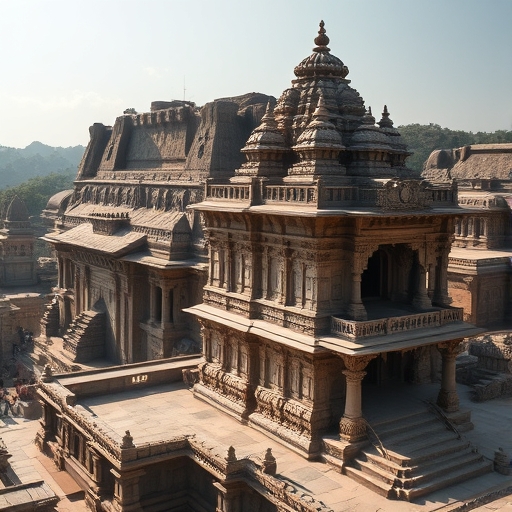
Kailasa Temple: A Marvel of Human Ingenuity from the 8th Century. Kailasa Temple, located in the Ellora caves, India, is the largest single stone structure in the world. Carved from a volcanic basalt rock face, over 200,000 tons of stone were removed in the 8th century. This place of worship represents the extraordinary creativity and ingenuity of human beings.. History and Achievements
Kailasa Temple was built in the 8th century by the Rashtrakuta king, King Krishna I. This temple is an exemplary scientific achievement of human civilization, with a structure built from top to bottom, without the use of cast materials. The process of measuring stone continued for over a century, resulting in a complex and beautiful structure.
Tiered Statues and Mural Art
The temple features intricate tiered statues, including images of Hindu deities such as Shiva, Ganesha, and Parvati. Its mural art encompasses delicate carvings that narrate epic episodes like the Mahabharata and Ramayana. The technical innovations used are constantly surprising historians.
Cultural and Religious Significance
Kailasa Temple is an important symbol in Hindu faith, arranged to honor the god Shiva. This site showcases the importance of faith and cultural focus of the community. As a UNESCO World Heritage Site, the temple has become a witness to history and culture, attracting thousands of tourists every year.
Conclusion
Kailasa Temple is a perfect example of human ingenuity and spiritual dedication. With its status as the largest single stone structure in the world, the temple continues to captivate and inform visitors about its historical significance. It is more than a place of worship; it is an eternal cultural monument.
Tags: