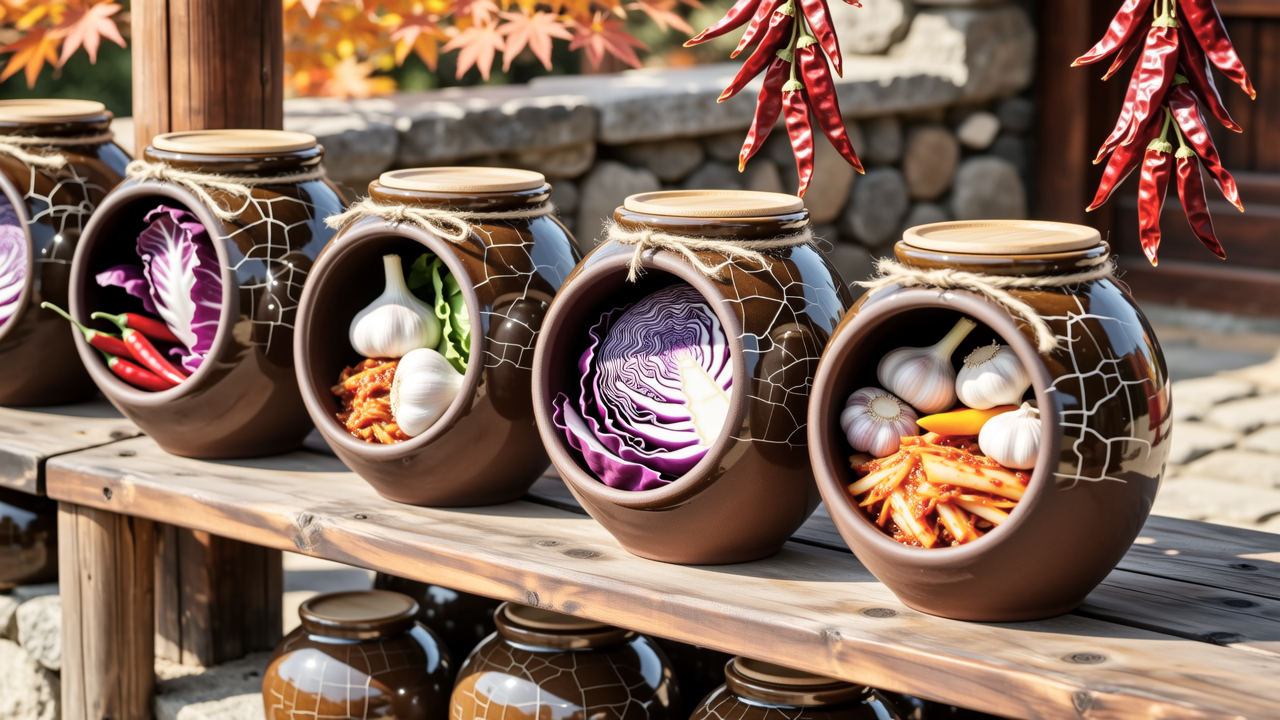
Seoul, June 24 — Kimchi, a food that has been the essence of Korean cuisine for over a thousand years, is now experiencing an extraordinary surge in global popularity. In halal restaurants in London, health food stores in Los Angeles, premium supermarkets in Dubai and Kuala Lumpur — kimchi and other Korean fermented products are now available everywhere, becoming part of the global healthy food trend.
South Korean kimchi exports recorded a new record of USD 180 million in the past year, increasing by 45 percent compared to two years earlier. This growth is driven by the growing awareness of the health benefits of fermented foods for gut and immune health. Scientific research published in leading medical journals about the importance of a healthy gut microbiome has provided a scientific basis for the health benefits of kimchi, which were previously known only traditionally.
The Korean kimchi industry is no longer just producing traditional Napa cabbage kimchi — it has evolved to create various varieties tailored to the tastes and needs of the global market. Vegan kimchi that does not use fish sauce, low-sodium kimchi for users reducing their sodium intake, and mild kimchi that is not too spicy for users not accustomed to spicy flavors are all now available to meet the needs of a broader consumer base.
Beyond kimchi itself, the overall Korean fermentation techniques are gaining significant attention from the global gastronomic community. Doenjang (fermented soybean paste), ganjang (traditional Korean soy sauce), and gochujang (fermented chili paste) are now used by Michelin-starred chefs around the world in their dishes, appreciating the unique depth of flavor that can only be achieved through meticulous long-term fermentation processes.
The South Korean government supports this growth with the 'Korean Fermented Food' certification program, ensuring the authenticity and quality of Korean fermented products exported worldwide, helping consumers distinguish genuine Korean products from imitations that do not meet the same quality standards.
The Rise of Kimchi Agriculture: The Korean Fermentation Heritage Captivates the Global Healthy Food Market. Kimchi and traditional Korean fermentation techniques are experiencing global popularity, driving the growth of the Korean healthy food industry, with kimchi exports reaching a new record.. Seoul, June 24 — Kimchi, a food that has been the essence of Korean cuisine for over a thousand years, is now experiencing an extraordinary surge in global popularity. In halal restaurants in London, health food stores in Los Angeles, premium supermarkets in Dubai and Kuala Lumpur — kimchi and other Korean fermented products are now available everywhere, becoming part of the global healthy food trend.
South Korean kimchi exports recorded a new record of USD 180 million in the past year, increasing by 45 percent compared to two years earlier. This growth is driven by the growing awareness of the health benefits of fermented foods for gut and immune health. Scientific research published in leading medical journals about the importance of a healthy gut microbiome has provided a scientific basis for the health benefits of kimchi, which were previously known only traditionally.
The Korean kimchi industry is no longer just producing traditional Napa cabbage kimchi — it has evolved to create various varieties tailored to the tastes and needs of the global market. Vegan kimchi that does not use fish sauce, low-sodium kimchi for users reducing their sodium intake, and mild kimchi that is not too spicy for users not accustomed to spicy flavors are all now available to meet the needs of a broader consumer base.
Beyond kimchi itself, the overall Korean fermentation techniques are gaining significant attention from the global gastronomic community. Doenjang fermented soybean paste , ganjang traditional Korean soy sauce , and gochujang fermented chili paste are now used by Michelin-starred chefs around the world in their dishes, appreciating the unique depth of flavor that can only be achieved through meticulous long-term fermentation processes.
The South Korean government supports this growth with the 'Korean Fermented Food' certification program, ensuring the authenticity and quality of Korean fermented products exported worldwide, helping consumers distinguish genuine Korean products from imitations that do not meet the same quality standards.