The Wanderings of Charles XII: From the Battlefield to Political Exile
Charles XII of Sweden was not an ordinary king. Since the age of 18, he had been leading his country in the Great Northern War against the Danish-Polish-Russian alliance. He was feared as a brave and tactically brilliant commander — so much so that he almost conquered Moscow. However, his luck ran out at the Battle of Poltava in 1709. His army was crushed by Peter the Great of Russia. Charles XII was wounded and forced to flee to the south, seeking refuge under the Ottoman Empire (now Turkey). He arrived in Bender, a fortified city on the banks of the Dniester River, which was then part of the Ottoman Empire. What he thought was a safe haven turned out to be a trap.
Why Did the Ottomans Want Him to Leave?
Initially, Sultan Ahmed III welcomed Charles XII with open arms. He even gave the Swedish king a luxurious tent, servants, and a daily allowance. Charles XII initially planned to persuade the Sultan to declare war on Russia. However, diplomatic affairs were not as straightforward. Russian, Polish, and other European diplomats began to influence the Ottoman court. They said that Charles was a burden — he would never return, only wasting money and causing trouble. Eventually, in 1713, the Sultan decided it was time for Charles to return to Sweden. But Charles refused. He said he still had business to attend to. The Sultan then sent the Janissaries — the Ottoman Empire's elite soldiers — to persuade him to leave by force.
February 1, 1713: The Most Bizarre Battle in History
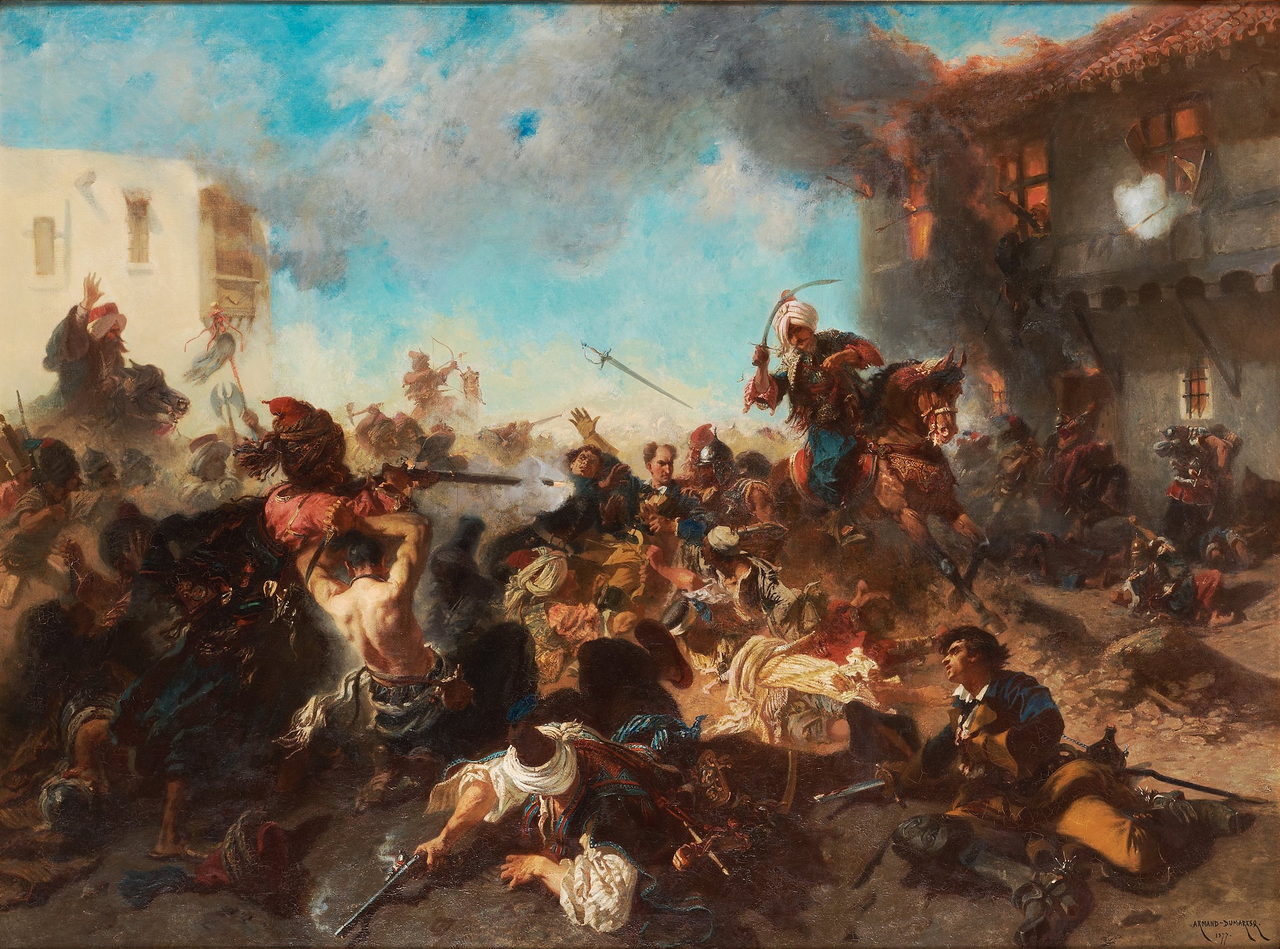
On the morning of February 1, 1713, over 200 Ottoman soldiers besieged Charles' camp in Bender. But Charles was not intimidated. Along with around 40 loyal guards (including some Swedish officers and German mercenaries), he barricaded himself inside a wooden house that served as a temporary fortress. The small skirmish — or 'skirmish' — lasted for several hours. Charles himself fought at the front lines. He was known for his extraordinary bravery — allegedly, he once shot an enemy with a pistol while holding a sword in the other hand. The Ottomans were shocked: this king fought like a regular soldier, not hiding behind barricades. Eventually, the house was set on fire. Charles and some of his guards had to jump out of the burning windows. In the chaos, he was captured. But he was not seriously injured — and he still refused to return.
After the Skirmish: Prisoner or Special Guest?
After the battle, Charles was taken to Istanbul as a prisoner. However, this 'prisoner' was a bit of an exception. He was placed in a luxurious palace, given freedom of movement, and treated like a high-ranking guest. The Sultan sent him gifts of Arabian horses and weapons. For another year and a half, Charles stayed in Turkey, continuing to plan new campaigns against Russia. Eventually, in 1714, after international diplomatic pressure and threats from Sweden itself (which was beginning to destabilize without a king), Charles agreed to return. His journey back to Sweden was also epic — he rode a horse from Turkey to Sweden in 15 days, crossing Europe incognito. Imagine: a king who had just fought his host now rode solo across a continent.
What Lessons Can We Learn from the Skirmish at Bender?
This story is not just about a small, strange battle. It shows the stubbornness and bravery of Charles XII — sometimes to the point of foolishness. He refused to acknowledge defeat, refused to negotiate, and preferred to die fighting rather than retreat diplomatically. In Swedish history, 'Kalabaliken i Bender' (Skirmish at Bender) became a legend — a strange, funny, and heroic episode. For the Swedes, Charles was a brave but also crazy king. For the Ottomans, it was a strange experience: they had to use force to expel a guest who refused to leave — and that guest fought like a lion. Eventually, Charles XII returned to Sweden in 1715, but his country had lost its great power. The Great Northern War ended with Sweden as a small country. However, the legend of Charles and the skirmish at Bender lived on — a story about a king who never gave up.
The Legacy of the Skirmish at Bender Today
Today, Bender is a small town in Moldova, in the disputed region of Transnistria. There is no large monument to commemorate this skirmish. However, among history enthusiasts and writers, this episode is often cited as an example of a 'small war with great meaning.' It is remembered for showing the human side of war: fanaticism, bravery, and failed diplomacy. In Swedish culture, 'Kalabaliken i Bender' has also become a term for referring to chaotic, uncontrolled situations — ironically, because that's what happened when their king refused to return home.
So, if you think international politics today are complicated, imagine: a king who chose to fight 200 soldiers rather than just packing up and leaving. That was Charles XII — a king who never understood the meaning of retreat.
The Swedish King Who Fought with 200 Ottoman Soldiers — With Only 40 Loyal Guards!. Imagine a king who refuses to return to his own country after losing a war, and instead chooses to seek refuge in a foreign land. When the host wants to expel him, the king decides to fight to the end, despite having a much smaller number of guards. This is the story of Skirmish at Bender — a small but epic and strange battle in European history.. The Wanderings of Charles XII: From the Battlefield to Political Exile
Charles XII of Sweden was not an ordinary king. Since the age of 18, he had been leading his country in the Great Northern War against the Danish-Polish-Russian alliance. He was feared as a brave and tactically brilliant commander — so much so that he almost conquered Moscow. However, his luck ran out at the Battle of Poltava in 1709. His army was crushed by Peter the Great of Russia. Charles XII was wounded and forced to flee to the south, seeking refuge under the Ottoman Empire now Turkey . He arrived in Bender, a fortified city on the banks of the Dniester River, which was then part of the Ottoman Empire. What he thought was a safe haven turned out to be a trap.
Why Did the Ottomans Want Him to Leave?
Initially, Sultan Ahmed III welcomed Charles XII with open arms. He even gave the Swedish king a luxurious tent, servants, and a daily allowance. Charles XII initially planned to persuade the Sultan to declare war on Russia. However, diplomatic affairs were not as straightforward. Russian, Polish, and other European diplomats began to influence the Ottoman court. They said that Charles was a burden — he would never return, only wasting money and causing trouble. Eventually, in 1713, the Sultan decided it was time for Charles to return to Sweden. But Charles refused. He said he still had business to attend to. The Sultan then sent the Janissaries — the Ottoman Empire's elite soldiers — to persuade him to leave by force.
February 1, 1713: The Most Bizarre Battle in History
On the morning of February 1, 1713, over 200 Ottoman soldiers besieged Charles' camp in Bender. But Charles was not intimidated. Along with around 40 loyal guards including some Swedish officers and German mercenaries , he barricaded himself inside a wooden house that served as a temporary fortress. The small skirmish — or 'skirmish' — lasted for several hours. Charles himself fought at the front lines. He was known for his extraordinary bravery — allegedly, he once shot an enemy with a pistol while holding a sword in the other hand. The Ottomans were shocked: this king fought like a regular soldier, not hiding behind barricades. Eventually, the house was set on fire. Charles and some of his guards had to jump out of the burning windows. In the chaos, he was captured. But he was not seriously injured — and he still refused to return.
After the Skirmish: Prisoner or Special Guest?
After the battle, Charles was taken to Istanbul as a prisoner. However, this 'prisoner' was a bit of an exception. He was placed in a luxurious palace, given freedom of movement, and treated like a high-ranking guest. The Sultan sent him gifts of Arabian horses and weapons. For another year and a half, Charles stayed in Turkey, continuing to plan new campaigns against Russia. Eventually, in 1714, after international diplomatic pressure and threats from Sweden itself which was beginning to destabilize without a king , Charles agreed to return. His journey back to Sweden was also epic — he rode a horse from Turkey to Sweden in 15 days, crossing Europe incognito. Imagine: a king who had just fought his host now rode solo across a continent.
What Lessons Can We Learn from the Skirmish at Bender?
This story is not just about a small, strange battle. It shows the stubbornness and bravery of Charles XII — sometimes to the point of foolishness. He refused to acknowledge defeat, refused to negotiate, and preferred to die fighting rather than retreat diplomatically. In Swedish history, 'Kalabaliken i Bender' Skirmish at Bender became a legend — a strange, funny, and heroic episode. For the Swedes, Charles was a brave but also crazy king. For the Ottomans, it was a strange experience: they had to use force to expel a guest who refused to leave — and that guest fought like a lion. Eventually, Charles XII returned to Sweden in 1715, but his country had lost its great power. The Great Northern War ended with Sweden as a small country. However, the legend of Charles and the skirmish at Bender lived on — a story about a king who never gave up.
The Legacy of the Skirmish at Bender Today
Today, Bender is a small town in Moldova, in the disputed region of Transnistria. There is no large monument to commemorate this skirmish. However, among history enthusiasts and writers, this episode is often cited as an example of a 'small war with great meaning.' It is remembered for showing the human side of war: fanaticism, bravery, and failed diplomacy. In Swedish culture, 'Kalabaliken i Bender' has also become a term for referring to chaotic, uncontrolled situations — ironically, because that's what happened when their king refused to return home.
So, if you think international politics today are complicated, imagine: a king who chose to fight 200 soldiers rather than just packing up and leaving. That was Charles XII — a king who never understood the meaning of retreat.