Pengenalan: Bila 'Bangku' Jadi Penyelamat Tulang
Dalam dunia perubatan moden, kalau patah tulang, kita terus ke hospital, dapat bius, dan doktor betulkan dengan alatan canggih. Tapi pernah tak terbayang zaman dulu, 2,400 tahun lepas, bagaimana doktor merawat pesakit yang patah tulang belakang atau terseliuh sendi? Jawapannya ada pada satu ciptaan yang dinamakan
Hippocratic bench (atau
scamnum dalam bahasa Latin).
Nama dia 'bangku Hippocrates', tapi jangan bayangkan bangku taman. Tempat duduk ni bukan untuk berehat — ia adalah alat regangan yang direka untuk 'meluruskan' tulang yang patah atau tercabut. Ciptaan ini adalah antara bukti paling awal manusia cuba memahami mekanisme tubuh dan menggunakan daya fizikal secara sistematik untuk penyembuhan.
Dalam artikel ini, kita akan bongkar apa sebenarnya Hippocratic bench, bagaimana ia digunakan, dan kenapa ia dianggap sebagai nenek moyang alat ortopedik moden. Siap sedia, sebab cerita ini penuh dengan fakta mengejutkan dan mungkin juga sedikit mengerikan!
## Bagaimana Hippocratic Bench Berfungsi? Ilmu Daya dan Tarikan
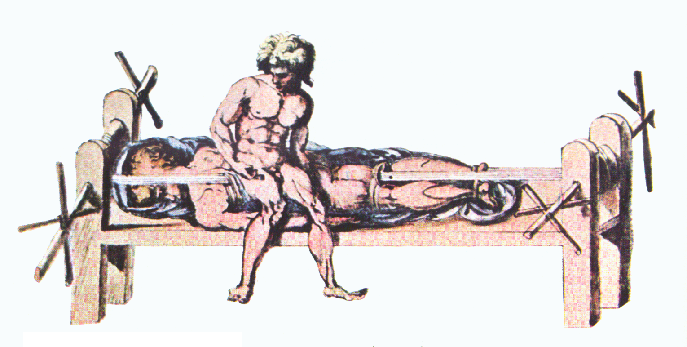
Hippocratic bench bukanlah alat yang rumit. Ia terdiri daripada bangku kayu yang kukuh, dengan beberapa tali dan takal. Cara ia berfungsi agak mudah: pesakit akan dibaringkan di atas bangku, kemudian tali diikat pada bahagian badan yang cedera — contohnya pergelangan tangan atau buku lali. Tali lain pula akan diikat pada hujung bangku yang bertentangan. Kemudian, dengan bantuan takal atau tenaga manusia, tali akan ditarik perlahan-lahan untuk meregangkan anggota badan.
Proses ini dipanggil traction (tarikan). Tujuannya adalah untuk mencipta daya yang mencukupi untuk membolehkan tulang yang patah atau sendi yang tercabut kembali ke kedudukan asalnya. Dalam istilah perubatan moden, ini dikenali sebagai reduction — proses mengembalikan tulang atau sendi ke posisi anatomi yang betul.
Hippocrates sendiri, dalam tulisannya On Fractures dan On Joints, menjelaskan bahawa daya yang dikenakan mesti dikawal dengan teliti. Terlalu kuat boleh menyebabkan kecederaan tambahan; terlalu lemah tidak akan berkesan. Walaupun alatnya ringkas, prinsip fizik di sebaliknya adalah asas kepada rawatan patah tulang hingga ke hari ini.
## Kenapa Ia Dianggap 'Penyeksaan'? Realiti Rawatan Zaman Dulu
Mari kita jujur: membayangkan diikat di bangku kayu sementara badan diregangkan bukanlah pengalaman yang menenangkan. Dalam rawatan sebenar, pesakit mungkin tidak dibius — atau paling baik, diberi arak atau candu untuk mengurangkan kesakitan. Proses regangan boleh mengambil masa beberapa minit, dan pesakit perlu menahan sakit yang amat sangat.
Sebab itulah Hippocratic bench sering digambarkan sebagai alat penyeksaan dalam sejarah perubatan. Namun, perlu diingat bahawa pada zaman itu, tiada alternatif lain. Doktor perlu melakukan apa yang perlu untuk menyelamatkan anggota badan atau nyawa pesakit. Kalau tidak, patah tulang belakang boleh menyebabkan lumpuh atau kematian. Jadi, walaupun kejam, ia adalah satu kemajuan besar pada zamannya.
Ada catatan sejarah menunjukkan bahawa Hippocrates sendiri mengakui rawatan ini menyakitkan, tetapi beliau menekankan pentingnya keberanian pesakit dan kemahiran doktor. Dalam konteks masyarakat Yunani kuno yang mementingkan kekuatan fizikal dan ketahanan, rawatan seperti ini dilihat sebagai ujian ketabahan.
## Perbandingan Dengan Alat Ortopedik Moden: Dari Kayu ke Robotik
Hari ini, jika anda patah tulang, doktor mungkin menggunakan
traction apparatus moden yang jauh lebih canggih. Contohnya,
skeletal traction menggunakan pin yang dimasukkan ke dalam tulang, disambung ke pemberat dan takal, membolehkan regangan yang tepat dan terkawal. Atau
external fixator yang memasang bingkai logam di luar badan untuk menstabilkan tulang.
Perbezaan paling ketara antara Hippocratic bench dan alat moden adalah ketepatan dan keselamatan. Alat moden membolehkan doktor mengukur daya regangan dengan tepat, menggunakan bahan steril, dan memberikan bius tempatan atau umum kepada pesakit. Sebaliknya, Hippocratic bench bergantung sepenuhnya pada kemahiran manual dan pengalaman doktor. Tiada skala daya, tiada bius, dan risiko jangkitan amat tinggi.
Namun, prinsip asas tetap sama: gunakan daya terkawal untuk memulihkan kedudukan tulang. Malah, banyak alat ortopedik moden masih menggunakan konsep counter-traction — iaitu daya tarikan pada satu bahagian dan daya tahan pada bahagian lain — yang pertama kali diperkenalkan oleh Hippocrates melalui bangku ini.
## Warisan Hippocrates: Lebih Dari Sekadar Bangku
Hippocratic bench bukanlah satu-satunya sumbangan Hippocrates kepada perubatan. Beliau dikenali sebagai 'Bapa Perubatan Moden' kerana pendekatannya yang rasional dan saintifik, jauh daripada kepercayaan karut zaman itu. Beliau menekankan pemerhatian, diagnosis, dan rawatan berdasarkan bukti — prinsip yang menjadi asas perubatan hari ini.
Alat ini juga menunjukkan bahawa Hippocrates memahami biomekanik asas tubuh manusia. Beliau tahu bahawa tulang dan sendi boleh dialihkan dengan daya fizikal, dan bahawa regangan yang betul boleh memulihkan fungsi. Ini adalah satu lonjakan besar dalam pemikiran perubatan, kerana sebelum itu, patah tulang sering dirawat dengan cara yang tidak berkesan seperti balut herba atau doa.
Walaupun Hippocratic bench tidak lagi digunakan secara langsung, warisannya hidup dalam setiap alat ortopedik yang kita lihat di hospital hari ini. Ia adalah peringatan bahawa kadang-kadang, idea paling ringkas boleh membawa kepada perubahan yang paling besar.
## Kesimpulan: Dari Kayu ke Keluli, Falsafah Yang Sama
Jadi, lain kali anda mendengar tentang orang patah tulang dan perlu menjalani pembedahan dengan alat canggih, ingatlah bahawa semua itu bermula daripada sebuah bangku kayu yang ringkas. Hippocratic bench mungkin kelihatan primitif dan menakutkan, tetapi ia adalah bukti kehebatan manusia dalam mencari jalan untuk menyembuhkan.
Kita mungkin tersenyum melihat reka bentuknya yang kasar, tetapi jangan lupa bahawa tanpa alat seperti ini, rawatan patah tulang mungkin masih lagi setakat herba dan doa. Ilmu yang dikumpul oleh Hippocrates dan pengikutnya telah menjadi asas kepada ortopedik moden — satu bidang yang kini boleh memulihkan tulang patah dengan tepat dan selamat.
Akhir kata, jika anda fikir rawatan doktor sekarang sakit, cuba bayangkan diikat di atas bangku kayu sambil diregangkan tanpa bius. Mungkin kita patut bersyukur kita hidup di zaman moden.
"Dalam setiap tulang yang patah, ada kekuatan yang menunggu untuk dipulihkan — dan kadang-kadang, kekuatan itu datang dari bangku yang paling ringkas."
---
Rujukan: Hippocratic bench — Wikipedia
Mengapa Doktor Yunani Kuno Ikat Pesakit di Atas Bangku? Rahsia Tulang Patah Zaman Dulu. Bayangkan jika anda patah tulang belakang, doktor akan ikat anda di atas bangku kayu dan regangkan badan sehingga tulang kembali ke tempat asal. Bunyi seperti penyeksaan? Itulah 'Hippocratic bench', alat perubatan purba ciptaan Hippocrates sendiri. Dalam artikel ini, kita bongkar bagaimana bangku ringkas ini menjadi pelopor kepada teknik ortopedik moden — dan kenapa ia lebih menakutkan daripada yang kita sangka.. Pengenalan: Bila 'Bangku' Jadi Penyelamat Tulang
Dalam dunia perubatan moden, kalau patah tulang, kita terus ke hospital, dapat bius, dan doktor betulkan dengan alatan canggih. Tapi pernah tak terbayang zaman dulu, 2,400 tahun lepas, bagaimana doktor merawat pesakit yang patah tulang belakang atau terseliuh sendi? Jawapannya ada pada satu ciptaan yang dinamakan Hippocratic bench atau scamnum dalam bahasa Latin .
Nama dia 'bangku Hippocrates', tapi jangan bayangkan bangku taman. Tempat duduk ni bukan untuk berehat — ia adalah alat regangan yang direka untuk 'meluruskan' tulang yang patah atau tercabut. Ciptaan ini adalah antara bukti paling awal manusia cuba memahami mekanisme tubuh dan menggunakan daya fizikal secara sistematik untuk penyembuhan.
Dalam artikel ini, kita akan bongkar apa sebenarnya Hippocratic bench, bagaimana ia digunakan, dan kenapa ia dianggap sebagai nenek moyang alat ortopedik moden. Siap sedia, sebab cerita ini penuh dengan fakta mengejutkan dan mungkin juga sedikit mengerikan!
Bagaimana Hippocratic Bench Berfungsi? Ilmu Daya dan Tarikan
Hippocratic bench bukanlah alat yang rumit. Ia terdiri daripada bangku kayu yang kukuh, dengan beberapa tali dan takal. Cara ia berfungsi agak mudah: pesakit akan dibaringkan di atas bangku, kemudian tali diikat pada bahagian badan yang cedera — contohnya pergelangan tangan atau buku lali. Tali lain pula akan diikat pada hujung bangku yang bertentangan. Kemudian, dengan bantuan takal atau tenaga manusia, tali akan ditarik perlahan-lahan untuk meregangkan anggota badan.
Proses ini dipanggil traction tarikan . Tujuannya adalah untuk mencipta daya yang mencukupi untuk membolehkan tulang yang patah atau sendi yang tercabut kembali ke kedudukan asalnya. Dalam istilah perubatan moden, ini dikenali sebagai reduction — proses mengembalikan tulang atau sendi ke posisi anatomi yang betul.
Hippocrates sendiri, dalam tulisannya On Fractures dan On Joints , menjelaskan bahawa daya yang dikenakan mesti dikawal dengan teliti. Terlalu kuat boleh menyebabkan kecederaan tambahan; terlalu lemah tidak akan berkesan. Walaupun alatnya ringkas, prinsip fizik di sebaliknya adalah asas kepada rawatan patah tulang hingga ke hari ini.
Kenapa Ia Dianggap 'Penyeksaan'? Realiti Rawatan Zaman Dulu
Mari kita jujur: membayangkan diikat di bangku kayu sementara badan diregangkan bukanlah pengalaman yang menenangkan. Dalam rawatan sebenar, pesakit mungkin tidak dibius — atau paling baik, diberi arak atau candu untuk mengurangkan kesakitan. Proses regangan boleh mengambil masa beberapa minit, dan pesakit perlu menahan sakit yang amat sangat.
Sebab itulah Hippocratic bench sering digambarkan sebagai alat penyeksaan dalam sejarah perubatan. Namun, perlu diingat bahawa pada zaman itu, tiada alternatif lain. Doktor perlu melakukan apa yang perlu untuk menyelamatkan anggota badan atau nyawa pesakit. Kalau tidak, patah tulang belakang boleh menyebabkan lumpuh atau kematian. Jadi, walaupun kejam, ia adalah satu kemajuan besar pada zamannya.
Ada catatan sejarah menunjukkan bahawa Hippocrates sendiri mengakui rawatan ini menyakitkan, tetapi beliau menekankan pentingnya keberanian pesakit dan kemahiran doktor. Dalam konteks masyarakat Yunani kuno yang mementingkan kekuatan fizikal dan ketahanan, rawatan seperti ini dilihat sebagai ujian ketabahan.
Perbandingan Dengan Alat Ortopedik Moden: Dari Kayu ke Robotik
Hari ini, jika anda patah tulang, doktor mungkin menggunakan traction apparatus moden yang jauh lebih canggih. Contohnya, skeletal traction menggunakan pin yang dimasukkan ke dalam tulang, disambung ke pemberat dan takal, membolehkan regangan yang tepat dan terkawal. Atau external fixator yang memasang bingkai logam di luar badan untuk menstabilkan tulang.
Perbezaan paling ketara antara Hippocratic bench dan alat moden adalah ketepatan dan keselamatan . Alat moden membolehkan doktor mengukur daya regangan dengan tepat, menggunakan bahan steril, dan memberikan bius tempatan atau umum kepada pesakit. Sebaliknya, Hippocratic bench bergantung sepenuhnya pada kemahiran manual dan pengalaman doktor. Tiada skala daya, tiada bius, dan risiko jangkitan amat tinggi.
Namun, prinsip asas tetap sama: gunakan daya terkawal untuk memulihkan kedudukan tulang. Malah, banyak alat ortopedik moden masih menggunakan konsep counter-traction — iaitu daya tarikan pada satu bahagian dan daya tahan pada bahagian lain — yang pertama kali diperkenalkan oleh Hippocrates melalui bangku ini.
Warisan Hippocrates: Lebih Dari Sekadar Bangku
Hippocratic bench bukanlah satu-satunya sumbangan Hippocrates kepada perubatan. Beliau dikenali sebagai 'Bapa Perubatan Moden' kerana pendekatannya yang rasional dan saintifik, jauh daripada kepercayaan karut zaman itu. Beliau menekankan pemerhatian, diagnosis, dan rawatan berdasarkan bukti — prinsip yang menjadi asas perubatan hari ini.
Alat ini juga menunjukkan bahawa Hippocrates memahami biomekanik asas tubuh manusia. Beliau tahu bahawa tulang dan sendi boleh dialihkan dengan daya fizikal, dan bahawa regangan yang betul boleh memulihkan fungsi. Ini adalah satu lonjakan besar dalam pemikiran perubatan, kerana sebelum itu, patah tulang sering dirawat dengan cara yang tidak berkesan seperti balut herba atau doa.
Walaupun Hippocratic bench tidak lagi digunakan secara langsung, warisannya hidup dalam setiap alat ortopedik yang kita lihat di hospital hari ini. Ia adalah peringatan bahawa kadang-kadang, idea paling ringkas boleh membawa kepada perubahan yang paling besar.
Kesimpulan: Dari Kayu ke Keluli, Falsafah Yang Sama
Jadi, lain kali anda mendengar tentang orang patah tulang dan perlu menjalani pembedahan dengan alat canggih, ingatlah bahawa semua itu bermula daripada sebuah bangku kayu yang ringkas. Hippocratic bench mungkin kelihatan primitif dan menakutkan, tetapi ia adalah bukti kehebatan manusia dalam mencari jalan untuk menyembuhkan.
Kita mungkin tersenyum melihat reka bentuknya yang kasar, tetapi jangan lupa bahawa tanpa alat seperti ini, rawatan patah tulang mungkin masih lagi setakat herba dan doa. Ilmu yang dikumpul oleh Hippocrates dan pengikutnya telah menjadi asas kepada ortopedik moden — satu bidang yang kini boleh memulihkan tulang patah dengan tepat dan selamat.
Akhir kata, jika anda fikir rawatan doktor sekarang sakit, cuba bayangkan diikat di atas bangku kayu sambil diregangkan tanpa bius. Mungkin kita patut bersyukur kita hidup di zaman moden.
"Dalam setiap tulang yang patah, ada kekuatan yang menunggu untuk dipulihkan — dan kadang-kadang, kekuatan itu datang dari bangku yang paling ringkas."
---
Rujukan: Hippocratic bench — Wikipedia https://en.wikipedia.org/wiki/Hippocratic bench