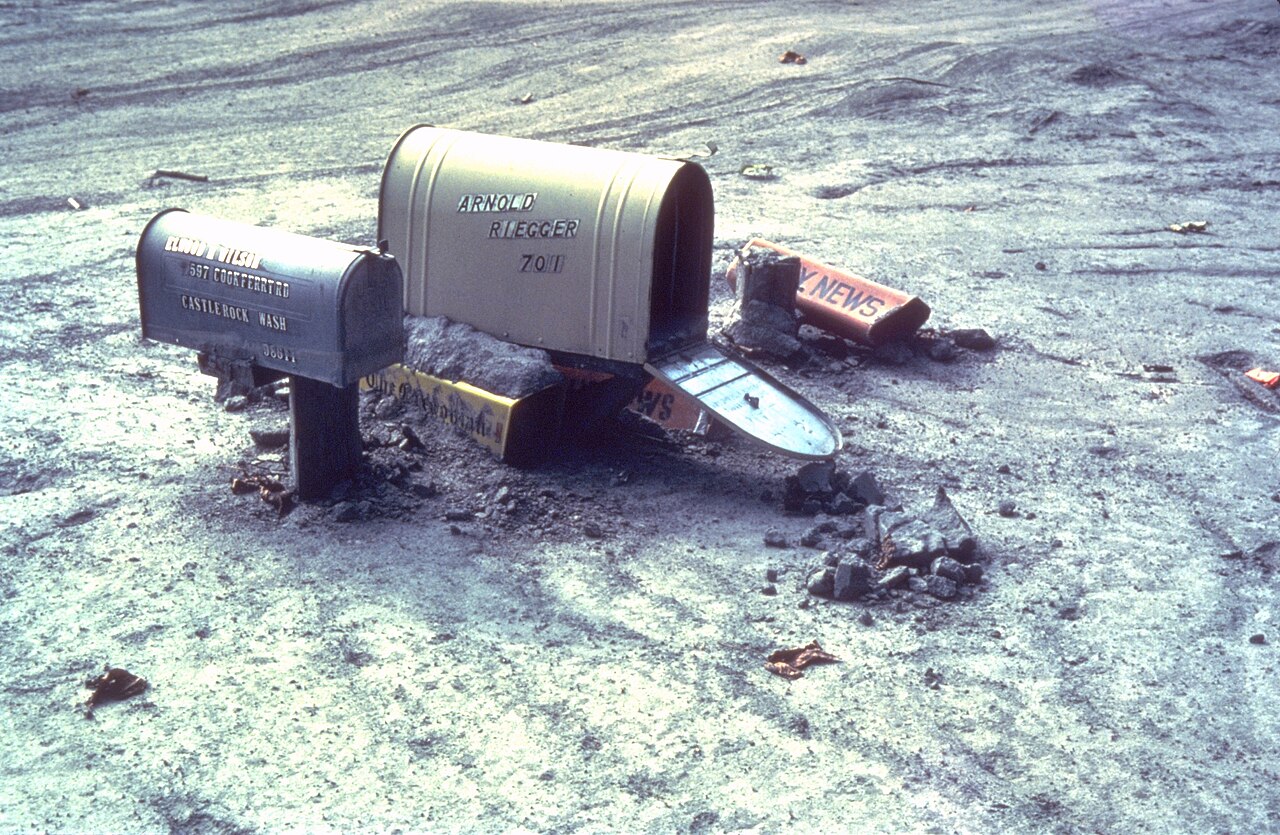
Di Mana Lumpur Belajar Berlari
Bayangkan: sebuah desa kecil di kaki Gunung Merapi. Udara masih lembap selepas hujan semalam — tidak deras, hanya gerimis berpanjangan selama 38 jam. Tidak ada gempa. Tidak ada letusan. Hanya tanah basah, daun berguguran, dan suara burung pagi yang biasa. Lalu, pada pukul 04.17 pagi, tanah di lereng utara tiba-tiba ‘meleleh’. Bukan runtuh.
Meleleh. Seolah-olah batuan dan tanah liat telah menemui formula rahsia untuk menjadi cecair — tanpa dididihkan, tanpa dicampur bahan kimia, hanya dengan tambahan air dan graviti. Dalam 92 saat, aliran itu mencapai kelajuan 4.3 meter per saat — cukup pantas untuk menyamai lari manusia paling laju di dunia. Tapi ini bukan pelari. Ini lumpur. Dan ia sedang bergerak ke arah rumah-rumah kayu yang masih gelap.
Inilah mudflow: bukan sekadar ‘tanah yang turun’, tetapi satu transformasi fizikal yang menggemparkan — dari pepejal menjadi aliran viskos, dari statik menjadi ganas, dari diam menjadi tak terkawal. Ia bukan kecelakaan alam biasa. Ia adalah perubahan fasa tanah — satu fenomena di mana tanah kehilangan semua daya geserannya, lalu berubah menjadi zat yang menyerupai sup kental beracun.
Rahsia Tanah Liang yang Menipu Mata
Yang membuat mudflow begitu mematikan bukan sahaja kelajuannya, tetapi
komposisinya. Sekitar 35–60% kandungan mudflow adalah tanah liat (clay) — partikel halus berdiameter kurang daripada 0.002 mm. Partikel sekecil ini memiliki muatan elektrik negatif di permukaannya, dan apabila dibasahi, ia membentuk lapisan air molekuler yang melicinkan setiap butiran. Hasilnya? Geseran antara partikel musnah. Tanah tidak lagi ‘melekat’ — ia
mengalir. Seperti meletakkan minyak di atas roda kereta, hanya jauh lebih halus, jauh lebih mendadak.
Ilmuwan geoteknik menyebutnya sebagai liquefaction-induced flow: proses di mana tanah kehilangan kekuatan sokongannya bukan kerana beban berlebihan, tetapi kerana air ‘memaksa’ partikel berpisah. Di laboratorium, uji kaji menunjukkan bahawa tanah liat dengan kandungan air 32% boleh berubah dari pepejal yang menopang bangunan menjadi cecair yang tidak mampu menyangga sebutir telur rebus — dalam masa kurang daripada 15 detik.
Ketika Gunung Meletus dan Es Menangis
Tidak semua mudflow lahir dari hujan biasa. Ada yang datang dari dalam perut bumi — lahars. Lahar bukanlah lava cair, tetapi campuran abu vulkanik halus, batu pecah, dan air dari sungai glasier atau hujan yang mengalir di lereng gunung berapi aktif. Di Gunung Kelud, Jawa Timur, pada tahun 2014, satu lahar bergerak sejauh 37 kilometer dalam 4 jam — menelusuri lembah dengan ketepatan mematikan, menghancurkan jambatan beton seperti kertas, dan meninggalkan lapisan endapan lumpur setebal 4.2 meter di desa Pandansari.
Dan ada juga yang lahir dari tangisan es — jökulhlaups. Istilah Iceland ini merujuk kepada limpahan tiba-tiba air bawah glasier akibat tekanan air cecair yang terperangkap di bawah lapisan ais setebal 300 meter. Di Islandia, jökulhlaup dari Gunung Grímsvötn pernah mencapai kelajuan 12 meter per saat — lebih laju daripada arus Sungai Amazon di musim banjir — dan membawa serta batu sebesar rumah.
Jejak yang Tak Pernah Hilang
Setelah berlalu, mudflow meninggalkan jejak yang bukan sahaja fizikal, tetapi psikologis. Di Desa Sumberwuluh, Jawa Tengah, selepas mudflow 2022, petani masih enggan menanam padi di ladang yang sama — bukan kerana tanah tidak subur, tetapi kerana
bunyi gemuruh tanah yang mereka dengar setiap kali hujan turun membuat jantung mereka berdegup kencang. Lumpur itu sudah kering, tetapi ingatan itu masih basah.
Endapan mudflow juga menyimpan cerita geologi yang unik: ia mengendap secara teratur — partikel besar di dasar, pasir di tengah, dan tanah liat paling halus di permukaan. Lapisan ini, yang disebut graded bedding, menjadi ‘buku harian bumi’ bagi ahli paleontologi. Di Lembah Tengah California, lapisan mudflow berusia 12,500 tahun membantu ilmuwan merekonstruksi pola hujan Pleistosen — bukan dari tulang atau fosil, tetapi dari urutan butiran lumpur yang tertumpah dalam satu malam.
Bukan Nasib — Tapi Nalar Geologi
Banyak orang menyangka mudflow adalah nasib malang. Tetapi data menunjukkan sebaliknya: 83% kejadian mudflow di Asia Tenggara berlaku di kawasan yang telah diidentifikasi sebagai ‘berisiko tinggi’ dalam peta geoteknik — namun tidak pernah dilindungi oleh sistem peringatan awal atau zon larangan pembangunan. Risiko ini bukan takdir. Ia adalah hasil daripada keputusan — membangun di lereng curam, menebang hutan penahan, mengabaikan retakan tanah kecil yang muncul selepas hujan.
Mudflow tidak berteriak sebelum datang. Ia tidak bergetar. Ia hanya mencair. Dan dalam keheningan itulah bahayanya bersemayam — bukan dalam keganasan, tetapi dalam kelicinan yang menipu. Ia mengingatkan kita: bumi bukan sekadar latar belakang kehidupan kita. Ia adalah entiti hidup yang bereaksi — kadang-kadang dengan tenang, kadang-kadang dengan kecepatan yang mematikan. Dan satu-satunya cara untuk hidup bersamanya bukan dengan takut, tetapi dengan memahami bahasa tanah — sebelum ia berubah menjadi aliran.
---
Rujukan: Mudflow — Wikipedia
Mengapa Lumpur Ini Mengalir Seperti Air — Tapi Membunuh Seperti Tsunami?. Di lereng gunung atau lembah sunyi, sebuah aliran coklat pekat bisa muncul dalam sekejap — bukan sungai, bukan banjir, tapi sesuatu yang lebih licin, lebih cepat, dan lebih mematikan daripada yang kita bayangkan. Ia bukan air, tapi bergerak seperti air. Bukan tanah, tapi menelan rumah seperti pasir hisap raksasa. Dan yang paling mengejutkan: ia sering bermula dari tempat yang kelihatan aman — selepas hujan ringan, di lereng yang ‘biasa saja’. Apa sebenarnya kekuatan tersembunyi di balik aliran lumpur ini?. Di Mana Lumpur Belajar Berlari
Bayangkan: sebuah desa kecil di kaki Gunung Merapi. Udara masih lembap selepas hujan semalam — tidak deras, hanya gerimis berpanjangan selama 38 jam. Tidak ada gempa. Tidak ada letusan. Hanya tanah basah, daun berguguran, dan suara burung pagi yang biasa. Lalu, pada pukul 04.17 pagi, tanah di lereng utara tiba-tiba ‘meleleh’. Bukan runtuh. Meleleh . Seolah-olah batuan dan tanah liat telah menemui formula rahsia untuk menjadi cecair — tanpa dididihkan, tanpa dicampur bahan kimia, hanya dengan tambahan air dan graviti. Dalam 92 saat, aliran itu mencapai kelajuan 4.3 meter per saat — cukup pantas untuk menyamai lari manusia paling laju di dunia. Tapi ini bukan pelari. Ini lumpur. Dan ia sedang bergerak ke arah rumah-rumah kayu yang masih gelap.
Inilah mudflow: bukan sekadar ‘tanah yang turun’, tetapi satu transformasi fizikal yang menggemparkan — dari pepejal menjadi aliran viskos, dari statik menjadi ganas, dari diam menjadi tak terkawal. Ia bukan kecelakaan alam biasa. Ia adalah perubahan fasa tanah — satu fenomena di mana tanah kehilangan semua daya geserannya, lalu berubah menjadi zat yang menyerupai sup kental beracun.
Rahsia Tanah Liang yang Menipu Mata
Yang membuat mudflow begitu mematikan bukan sahaja kelajuannya, tetapi komposisinya . Sekitar 35–60% kandungan mudflow adalah tanah liat clay — partikel halus berdiameter kurang daripada 0.002 mm. Partikel sekecil ini memiliki muatan elektrik negatif di permukaannya, dan apabila dibasahi, ia membentuk lapisan air molekuler yang melicinkan setiap butiran. Hasilnya? Geseran antara partikel musnah. Tanah tidak lagi ‘melekat’ — ia mengalir . Seperti meletakkan minyak di atas roda kereta, hanya jauh lebih halus, jauh lebih mendadak.
Ilmuwan geoteknik menyebutnya sebagai liquefaction-induced flow : proses di mana tanah kehilangan kekuatan sokongannya bukan kerana beban berlebihan, tetapi kerana air ‘memaksa’ partikel berpisah. Di laboratorium, uji kaji menunjukkan bahawa tanah liat dengan kandungan air 32% boleh berubah dari pepejal yang menopang bangunan menjadi cecair yang tidak mampu menyangga sebutir telur rebus — dalam masa kurang daripada 15 detik.
Ketika Gunung Meletus dan Es Menangis
Tidak semua mudflow lahir dari hujan biasa. Ada yang datang dari dalam perut bumi — lahars. Lahar bukanlah lava cair, tetapi campuran abu vulkanik halus, batu pecah, dan air dari sungai glasier atau hujan yang mengalir di lereng gunung berapi aktif. Di Gunung Kelud, Jawa Timur, pada tahun 2014, satu lahar bergerak sejauh 37 kilometer dalam 4 jam — menelusuri lembah dengan ketepatan mematikan, menghancurkan jambatan beton seperti kertas, dan meninggalkan lapisan endapan lumpur setebal 4.2 meter di desa Pandansari.
Dan ada juga yang lahir dari tangisan es — jökulhlaups. Istilah Iceland ini merujuk kepada limpahan tiba-tiba air bawah glasier akibat tekanan air cecair yang terperangkap di bawah lapisan ais setebal 300 meter. Di Islandia, jökulhlaup dari Gunung Grímsvötn pernah mencapai kelajuan 12 meter per saat — lebih laju daripada arus Sungai Amazon di musim banjir — dan membawa serta batu sebesar rumah.
Jejak yang Tak Pernah Hilang
Setelah berlalu, mudflow meninggalkan jejak yang bukan sahaja fizikal, tetapi psikologis. Di Desa Sumberwuluh, Jawa Tengah, selepas mudflow 2022, petani masih enggan menanam padi di ladang yang sama — bukan kerana tanah tidak subur, tetapi kerana bunyi gemuruh tanah yang mereka dengar setiap kali hujan turun membuat jantung mereka berdegup kencang. Lumpur itu sudah kering, tetapi ingatan itu masih basah.
Endapan mudflow juga menyimpan cerita geologi yang unik: ia mengendap secara teratur — partikel besar di dasar, pasir di tengah, dan tanah liat paling halus di permukaan. Lapisan ini, yang disebut graded bedding , menjadi ‘buku harian bumi’ bagi ahli paleontologi. Di Lembah Tengah California, lapisan mudflow berusia 12,500 tahun membantu ilmuwan merekonstruksi pola hujan Pleistosen — bukan dari tulang atau fosil, tetapi dari urutan butiran lumpur yang tertumpah dalam satu malam.
Bukan Nasib — Tapi Nalar Geologi
Banyak orang menyangka mudflow adalah nasib malang. Tetapi data menunjukkan sebaliknya: 83% kejadian mudflow di Asia Tenggara berlaku di kawasan yang telah diidentifikasi sebagai ‘berisiko tinggi’ dalam peta geoteknik — namun tidak pernah dilindungi oleh sistem peringatan awal atau zon larangan pembangunan. Risiko ini bukan takdir. Ia adalah hasil daripada keputusan — membangun di lereng curam, menebang hutan penahan, mengabaikan retakan tanah kecil yang muncul selepas hujan.
Mudflow tidak berteriak sebelum datang. Ia tidak bergetar. Ia hanya mencair . Dan dalam keheningan itulah bahayanya bersemayam — bukan dalam keganasan, tetapi dalam kelicinan yang menipu. Ia mengingatkan kita: bumi bukan sekadar latar belakang kehidupan kita. Ia adalah entiti hidup yang bereaksi — kadang-kadang dengan tenang, kadang-kadang dengan kecepatan yang mematikan. Dan satu-satunya cara untuk hidup bersamanya bukan dengan takut, tetapi dengan memahami bahasa tanah — sebelum ia berubah menjadi aliran.
---
Rujukan: Mudflow — Wikipedia https://en.wikipedia.org/wiki/Mudflow