The Secret Art of Survival That Is Rarely Known
Have you ever heard the term "fieldcraft"? If not, imagine a soldier who can disappear in an instant in the middle of the forest, or a traveler who can survive for weeks without supplies. This knowledge is not just ordinary skills—it is the art of living in the wild, the art of hiding, and the art of reading every movement around you. Since World War II, fieldcraft has been the lifeblood of many heroes. For example, Diana Rowden, a British female spy, was praised for her "extreme proficiency in fieldcraft and excellent use of firearms."
But what exactly is fieldcraft? In short, it is a set of techniques and methods for living, moving, or conducting scientific observation in the field. This knowledge is used in various industries—from the military, oil and gas, wildlife, to agriculture. Even in the world of counterterrorism, fieldcraft refers to the 'art of evading police and security surveillance.' For example, the group detected in Operation Guava was caught "even though they had highly advanced fieldcraft." Therefore, this knowledge is not only for heroes—it is also for those who want to live unnoticed.
The Art of Disguise: Not Just a Banana Leaf
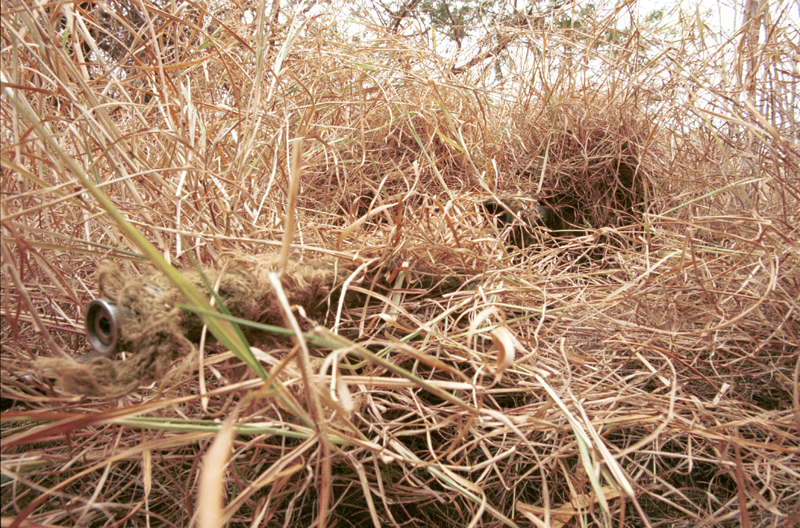
One of the most fascinating aspects of fieldcraft is camouflage. Not like in movies where soldiers just put a leaf on their head. Real camouflage involves a deep understanding of the environment—colors, textures, shadows, and movements. A fieldcraft expert knows that the human eye is more likely to detect movement than shapes. So, they learn to move slowly like a turtle, or stop immediately when there is a risk of being detected.
In dense forests, camouflage techniques include coating the body with mud, tying branches and moss to clothing, and avoiding smells that can be detected by animals or humans. Moreover, some use specific leaves to mimic natural sounds—like the sound of falling leaves or broken branches—to cover their tracks. The most impressive, fieldcraft experts can sit motionless in one place for hours, as if they are part of the tree.
Reading the Earth: Navigation Without Google Maps
Imagine you are lost in the forest without a smartphone, compass, or map. What would you do? For ordinary people, this is a nightmare. But for fieldcraft experts, this is a fun challenge. They use "reading the earth"—understanding the shape of the land, wind direction, the position of the sun, and the movement of stars. For example, moss growing on the north side of a tree can help determine direction. Or, observe where birds fly at dusk—they will return to their nests, which are usually near a water source.
In addition, land and water navigation are essential skills. They learn to identify rivers and streams that can lead to settlements. Moreover, there are specific techniques for crossing obstacles like steep cliffs or swamps without leaving a trace. Most importantly, they know the difference between "protection from view" (concealment) and "protection from fire" (cover). A hat can hide you, but it won't save you from bullets.
Avoiding Detection: Against Spies and Animals
Fieldcraft is not only for warfare—it is also used by wildlife experts and scientists who need to observe animals without disturbing them. To succeed, they need "camouflage penetration"—the ability to detect things that are trying to hide. This involves training the eyes to notice differences—such as mismatched shadows, subtle movements, or unusual sounds.
In the context of counterterrorism, fieldcraft is a secret weapon for evading surveillance. For example, terrorists use techniques such as changing appearance, using alternative routes, or moving only at night. However, authorities also use fieldcraft to detect them—by observing changes in patterns, tracks, or communication signals. It is a game of cat and mouse that requires intelligence and patience.
Survival: Living Without Supplies in the Forest
What would you do if your food and water supplies ran out? Fieldcraft experts know how to live off the land—distinguishing safe plants from poisonous ones, getting clean water from sources, and making simple traps for small animals. They are also skilled at building shelters from branches and leaves, which can protect against rain and wind. Moreover, there are techniques to make fire without matches—using flint stones, dry wood, or even sunglasses.
The most amazing thing is that fieldcraft teaches how to avoid being detected by enemies or predators—through techniques like "countersurveillance" (detecting if you are being watched), identifying the direction and distance of enemy shots, and ways to escape (evasion) and get away (escape). For soldiers, this is knowledge that determines life or death. For travelers, it is a guarantee that you can return safely even in the most dangerous situations.
Why Is Fieldcraft Important in the Modern Age?
You may think fieldcraft is outdated—with drones, satellites, and advanced GPS, who needs this knowledge? But the truth is, technology can fail. Batteries die, signals are lost, or enemies can hack systems. In critical situations, only manual skills can save lives.
Moreover, fieldcraft teaches us to be more aware of our surroundings. In a fast-paced world, many forget to pay attention to the earth beneath our feet. By practicing fieldcraft, we can become more mindful, more prepared, and more resilient. Whether you are a survival student, a nature lover, or just curious, this knowledge will change the way you see the world.
So, next time you walk in the forest, try practicing a little fieldcraft—sit still, listen to the sounds, watch the movements. Who knows, maybe you will discover something extraordinary. Or perhaps, you will spend a day unnoticed—like the man who disappeared for a year without a trace.
Reference: Fieldcraft — Wikipedia
This Man Hid in the Forest for a Year — Unnoticed. Can you imagine living in the forest for an entire year without ever being noticed by anyone? That's the reality of a hiker who used advanced fieldcraft techniques. From disguising as a tree to avoiding detection by satellites, this article reveals the secrets of survival skills used by the military and spies.. The Secret Art of Survival That Is Rarely Known
Have you ever heard the term "fieldcraft"? If not, imagine a soldier who can disappear in an instant in the middle of the forest, or a traveler who can survive for weeks without supplies. This knowledge is not just ordinary skills—it is the art of living in the wild, the art of hiding, and the art of reading every movement around you. Since World War II, fieldcraft has been the lifeblood of many heroes. For example, Diana Rowden, a British female spy, was praised for her "extreme proficiency in fieldcraft and excellent use of firearms."
But what exactly is fieldcraft? In short, it is a set of techniques and methods for living, moving, or conducting scientific observation in the field. This knowledge is used in various industries—from the military, oil and gas, wildlife, to agriculture. Even in the world of counterterrorism, fieldcraft refers to the 'art of evading police and security surveillance.' For example, the group detected in Operation Guava was caught "even though they had highly advanced fieldcraft." Therefore, this knowledge is not only for heroes—it is also for those who want to live unnoticed.
The Art of Disguise: Not Just a Banana Leaf
One of the most fascinating aspects of fieldcraft is camouflage. Not like in movies where soldiers just put a leaf on their head. Real camouflage involves a deep understanding of the environment—colors, textures, shadows, and movements. A fieldcraft expert knows that the human eye is more likely to detect movement than shapes. So, they learn to move slowly like a turtle, or stop immediately when there is a risk of being detected.
In dense forests, camouflage techniques include coating the body with mud, tying branches and moss to clothing, and avoiding smells that can be detected by animals or humans. Moreover, some use specific leaves to mimic natural sounds—like the sound of falling leaves or broken branches—to cover their tracks. The most impressive, fieldcraft experts can sit motionless in one place for hours, as if they are part of the tree.
Reading the Earth: Navigation Without Google Maps
Imagine you are lost in the forest without a smartphone, compass, or map. What would you do? For ordinary people, this is a nightmare. But for fieldcraft experts, this is a fun challenge. They use "reading the earth"—understanding the shape of the land, wind direction, the position of the sun, and the movement of stars. For example, moss growing on the north side of a tree can help determine direction. Or, observe where birds fly at dusk—they will return to their nests, which are usually near a water source.
In addition, land and water navigation are essential skills. They learn to identify rivers and streams that can lead to settlements. Moreover, there are specific techniques for crossing obstacles like steep cliffs or swamps without leaving a trace. Most importantly, they know the difference between "protection from view" concealment and "protection from fire" cover . A hat can hide you, but it won't save you from bullets.
Avoiding Detection: Against Spies and Animals
Fieldcraft is not only for warfare—it is also used by wildlife experts and scientists who need to observe animals without disturbing them. To succeed, they need "camouflage penetration"—the ability to detect things that are trying to hide. This involves training the eyes to notice differences—such as mismatched shadows, subtle movements, or unusual sounds.
In the context of counterterrorism, fieldcraft is a secret weapon for evading surveillance. For example, terrorists use techniques such as changing appearance, using alternative routes, or moving only at night. However, authorities also use fieldcraft to detect them—by observing changes in patterns, tracks, or communication signals. It is a game of cat and mouse that requires intelligence and patience.
Survival: Living Without Supplies in the Forest
What would you do if your food and water supplies ran out? Fieldcraft experts know how to live off the land—distinguishing safe plants from poisonous ones, getting clean water from sources, and making simple traps for small animals. They are also skilled at building shelters from branches and leaves, which can protect against rain and wind. Moreover, there are techniques to make fire without matches—using flint stones, dry wood, or even sunglasses.
The most amazing thing is that fieldcraft teaches how to avoid being detected by enemies or predators—through techniques like "countersurveillance" detecting if you are being watched , identifying the direction and distance of enemy shots, and ways to escape evasion and get away escape . For soldiers, this is knowledge that determines life or death. For travelers, it is a guarantee that you can return safely even in the most dangerous situations.
Why Is Fieldcraft Important in the Modern Age?
You may think fieldcraft is outdated—with drones, satellites, and advanced GPS, who needs this knowledge? But the truth is, technology can fail. Batteries die, signals are lost, or enemies can hack systems. In critical situations, only manual skills can save lives.
Moreover, fieldcraft teaches us to be more aware of our surroundings. In a fast-paced world, many forget to pay attention to the earth beneath our feet. By practicing fieldcraft, we can become more mindful, more prepared, and more resilient. Whether you are a survival student, a nature lover, or just curious, this knowledge will change the way you see the world.
So, next time you walk in the forest, try practicing a little fieldcraft—sit still, listen to the sounds, watch the movements. Who knows, maybe you will discover something extraordinary. Or perhaps, you will spend a day unnoticed—like the man who disappeared for a year without a trace.
Reference: Fieldcraft — Wikipedia https://en.wikipedia.org/wiki/Fieldcraft