Breadfield? Yes, Really — Its Real Name
Don't be surprised if you search for 'Breadfield' on a modern map of Transylvania and can't find it. That's why — the name isn't a geographical one, but a
joke. Or more accurately: a sarcastic name that became history. In Hungarian, it is called
Kenyérmezei csata — 'The Battle of Breadfield'. In Romanian,
Câmpul Pâinii. In Ottoman Turkish,
Ekmek Otlak Savaşı. All mean the same: a battlefield somehow associated with bread.
According to legend, before the battle, Hungarian and allied soldiers used the field as a place to bake bread — or perhaps because the soil was flat like a flour tray, or maybe because there was wild wheat growing there. But the most interesting fact? The name 'Breadfield' was never used by locals at the time. It appeared later in 16th-century German and Latin chronicles — as an easy way to remember the hard-to-say location: Alkenyér (today Șibot, Romania). So yes — this is one of the most important battles in Central European history… named after breakfast.
Who Actually Fought There?
Imagine this: four leaders from three different nations, each with
very complex political backgrounds, but all agreeing: today, they fight together.
First: Pál Kinizsi, the 'Giant of Temesvár' — not just a general, but a living legend. Records say he could lift two oxen at once, and in a previous battle, he attacked an enemy fortress alone while holding a large sword and a wooden shield. Second: István Báthory, a figure who would later become King of Poland — at the time still young, but already known for his cold, sharp strategy like a knife's edge. Third: Vuk Branković, a Serbian leader who had recently lost his inherited land due to Ottoman pressure — yet instead of surrendering, he brought 2,000 experienced cavalry and infantry from the Serbian Despotate. Fourth: Basarab Laiotă cel Bătrân, the Hospodar of Wallachia (modern-day Romania), who had just returned from exile in Hungary — and came with a tough, light cavalry as resilient as roots in sandy soil.
They were not just allies — they were political risks. If they lost, Hungary could lose Transylvania forever. Serbia might disappear from the map. Wallachia would become an Ottoman province. And all of this depended on one day. One field. One decision.
What Actually Happened on October 13, 1479?
The Ottoman forces, led by Ali Kodja and Basarab Pasha, numbered around 15,000–20,000 — including elite janissaries, sipahi cavalry, and bold attacks from Crimean Tatar horsemen. They came not to conquer, but to
punish: to destroy the Hungarian stronghold in Transylvania and force King Matthias Corvinus to negotiate from a weak position.
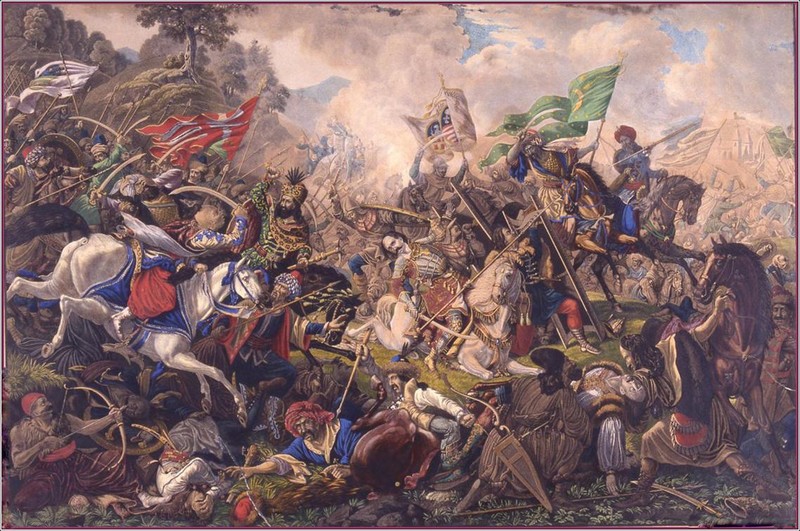
But Kinizsi and his men did not wait in the fortifications. They attacked. On that dusty morning, they used their knowledge of the terrain — narrow roads along the Maros River, low hills that blocked artillery vision, and the mobility of Hungarian cavalry trained specifically for open-field battles. Their strategy? Divide the enemy forces, capture commanders, and cut off the logistics. In a brave attack, Kinizsi himself led a charge into the Ottoman command center — and killed Ali Kodja in front of his troops. Without leadership, the Ottoman forces began to break apart. And when they tried to retreat toward the river... an unexpected seasonal flood struck. Thousands of soldiers drowned or were forced to surrender.
Contemporary records state: 'No Hungarian, Serbian, or Wallachian commander fell. No major fortress fell. And no territory was lost — instead, the Transylvanian border shifted 40 km east, into areas previously considered 'unconquerable'.
Why Is This Battle Rarely Told in Textbooks?
The reason is simple: history is often written by
the winners — and by textbook publishers who prefer 'big stories'. Constantinople fell? Yes. Lepanto? Yes. But Breadfield? It happened on the edge of Europe, between nations that were later divided by empires, world wars, and modern borders. Hungary lost its sovereignty after Mohács in 1526. Serbia fell under Ottoman rule for almost 400 years. Wallachia became part of Romania — which only gained independence in 1877.
So Breadfield became a 'grandmother's tale' — told in Transylvanian folk songs, carved in Saxon churches in Șibot, and preserved in monastic archives in Kolozsvár (Cluj). It wasn't a great defeat that changed the world — but a victory that prevented destruction. For 47 years after Breadfield, Transylvania remained free from direct Ottoman rule. And that — was enough for culture, language, and universities there to survive.
The Bread Is Still Eaten Today
Today, in Șibot, residents still make
pogácsa — a small buttery bread believed to come from a recipe brought by Hungarian soldiers in 1479. In the local museum, there is a replica of Kinizsi's sword — not the original (it was lost since the 17th century), but made based on contemporary paintings and carvings on the tombstone in Alba Iulia Monastery. And every year on October 13, history students from Cluj, Belgrade, and Bucharest come to the same field — not to fight, but to read poetry, play the rebec, and eat bread together.
Why? Because Breadfield is not just about who won or lost. It's about how four suspicious nations — Hungary, Serbia, Wallachia, and Saxons — were willing to trust each other once — and it was enough to save something greater than themselves: the freedom to choose their own fate.
And yes — sometimes, the most influential history begins not in palaces or parliaments… but in a field named after breakfast.
Rujukan: Battle of Breadfield — Wikipedia
The Battle of Breadfield That Toppled the 'Unconquerable Ottoman Army' Myth. October 13, 1479. In a remote field near the Maros River — not in Constantinople, not in the Balkans — four leaders from three nations united to face an elite Ottoman force at the height of its power. They won. Not just won: they *destroyed* 15,000 enemy soldiers — and lost *not a single* main commander. How was that possible?. Breadfield? Yes, Really — Its Real Name
Don't be surprised if you search for 'Breadfield' on a modern map of Transylvania and can't find it. That's why — the name isn't a geographical one, but a joke . Or more accurately: a sarcastic name that became history. In Hungarian, it is called Kenyérmezei csata — 'The Battle of Breadfield'. In Romanian, Câmpul Pâinii . In Ottoman Turkish, Ekmek Otlak Savaşı . All mean the same: a battlefield somehow associated with bread.
According to legend, before the battle, Hungarian and allied soldiers used the field as a place to bake bread — or perhaps because the soil was flat like a flour tray, or maybe because there was wild wheat growing there. But the most interesting fact? The name 'Breadfield' was never used by locals at the time . It appeared later in 16th-century German and Latin chronicles — as an easy way to remember the hard-to-say location: Alkenyér today Șibot, Romania . So yes — this is one of the most important battles in Central European history… named after breakfast.
Who Actually Fought There?
Imagine this: four leaders from three different nations, each with very complex political backgrounds, but all agreeing: today, they fight together.
First: Pál Kinizsi , the 'Giant of Temesvár' — not just a general, but a living legend. Records say he could lift two oxen at once, and in a previous battle, he attacked an enemy fortress alone while holding a large sword and a wooden shield. Second: István Báthory , a figure who would later become King of Poland — at the time still young, but already known for his cold, sharp strategy like a knife's edge. Third: Vuk Branković , a Serbian leader who had recently lost his inherited land due to Ottoman pressure — yet instead of surrendering, he brought 2,000 experienced cavalry and infantry from the Serbian Despotate. Fourth: Basarab Laiotă cel Bătrân , the Hospodar of Wallachia modern-day Romania , who had just returned from exile in Hungary — and came with a tough, light cavalry as resilient as roots in sandy soil.
They were not just allies — they were political risks . If they lost, Hungary could lose Transylvania forever. Serbia might disappear from the map. Wallachia would become an Ottoman province. And all of this depended on one day. One field. One decision.
What Actually Happened on October 13, 1479?
The Ottoman forces, led by Ali Kodja and Basarab Pasha, numbered around 15,000–20,000 — including elite janissaries, sipahi cavalry, and bold attacks from Crimean Tatar horsemen. They came not to conquer, but to punish : to destroy the Hungarian stronghold in Transylvania and force King Matthias Corvinus to negotiate from a weak position.
But Kinizsi and his men did not wait in the fortifications. They attacked . On that dusty morning, they used their knowledge of the terrain — narrow roads along the Maros River, low hills that blocked artillery vision, and the mobility of Hungarian cavalry trained specifically for open-field battles. Their strategy? Divide the enemy forces, capture commanders, and cut off the logistics . In a brave attack, Kinizsi himself led a charge into the Ottoman command center — and killed Ali Kodja in front of his troops. Without leadership, the Ottoman forces began to break apart. And when they tried to retreat toward the river... an unexpected seasonal flood struck. Thousands of soldiers drowned or were forced to surrender.
Contemporary records state: 'No Hungarian, Serbian, or Wallachian commander fell. No major fortress fell. And no territory was lost — instead, the Transylvanian border shifted 40 km east , into areas previously considered 'unconquerable'.
Why Is This Battle Rarely Told in Textbooks?
The reason is simple: history is often written by the winners — and by textbook publishers who prefer 'big stories'. Constantinople fell? Yes. Lepanto? Yes. But Breadfield? It happened on the edge of Europe, between nations that were later divided by empires, world wars, and modern borders. Hungary lost its sovereignty after Mohács in 1526. Serbia fell under Ottoman rule for almost 400 years. Wallachia became part of Romania — which only gained independence in 1877.
So Breadfield became a 'grandmother's tale' — told in Transylvanian folk songs, carved in Saxon churches in Șibot, and preserved in monastic archives in Kolozsvár Cluj . It wasn't a great defeat that changed the world — but a victory that prevented destruction . For 47 years after Breadfield, Transylvania remained free from direct Ottoman rule. And that — was enough for culture, language, and universities there to survive.
The Bread Is Still Eaten Today
Today, in Șibot, residents still make pogácsa — a small buttery bread believed to come from a recipe brought by Hungarian soldiers in 1479. In the local museum, there is a replica of Kinizsi's sword — not the original it was lost since the 17th century , but made based on contemporary paintings and carvings on the tombstone in Alba Iulia Monastery. And every year on October 13, history students from Cluj, Belgrade, and Bucharest come to the same field — not to fight, but to read poetry, play the rebec, and eat bread together.
Why? Because Breadfield is not just about who won or lost. It's about how four suspicious nations — Hungary, Serbia, Wallachia, and Saxons — were willing to trust each other once — and it was enough to save something greater than themselves: the freedom to choose their own fate.
And yes — sometimes, the most influential history begins not in palaces or parliaments… but in a field named after breakfast.
Rujukan: Battle of Breadfield — Wikipedia https://en.wikipedia.org/wiki/Battle of Breadfield